
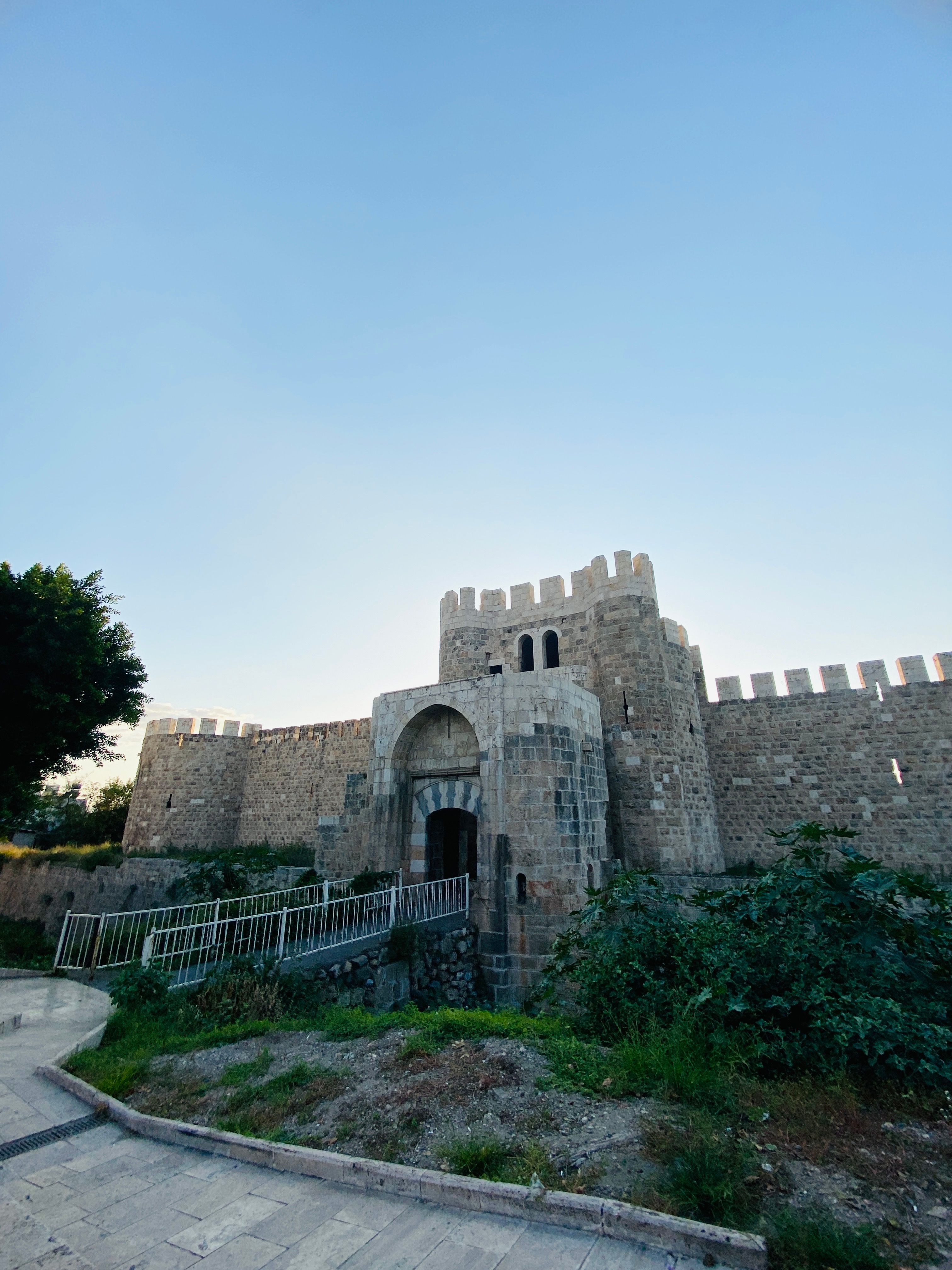
Bodrum Castle: Where Medieval Stone Meets Aegean Sapphire
The late afternoon sun bathes volcanic stone in honeyed light as you approach the fortress rising from Bodrum's harbor—a formidable silhouette of towers and ramparts that has guarded this turquoise coast for six centuries. You walk across the stone bridge spanning the dry moat, hearing the gentle lap of Aegean waves against ancient seawalls while seagulls wheel overhead, their cries echoing off battlements built by the Knights Hospitaller. This is Bodrum Castle—also known as the Castle of St. Peter—a sprawling medieval fortress covering thirty thousand square meters with five towers soaring up to forty-seven meters high, constructed using stones quarried from the nearby Mausoleum at Halicarnassus, one of the Seven Wonders of the Ancient World. Inside these weathered walls, the world's finest collection of Bronze Age shipwrecks rests in the Museum of Underwater Archaeology, while outside, fishermen mend nets beside yachts bobbing in the marina. This place matters because it embodies layers of human history—Crusader knights, Ottoman sultans, and modern archaeologists—all leaving their mark on stone that has witnessed the rise and fall of empires while the Aegean continues its eternal rhythm against the shore.
Why Bodrum Castle Embodies Maritime Heritage
Bodrum Castle represents one of the finest examples of medieval military architecture preserved on the Turkish coast, solving a critical strategic need: protecting Christian shipping lanes and pilgrim routes between Europe and the Holy Land during the turbulent fifteenth century. Construction began in 1402 under the direction of the Knights Hospitaller (Knights of St. John), who ruled Rhodes and needed fortified ports along the Anatolian coast. The castle's design addressed multiple defensive challenges: it required thick walls to withstand cannon fire, deep moats to prevent tunneling, and elevated towers for artillery placement—features accomplished through innovative engineering that utilized local volcanic tufa and green volcanic stone quarried from nearby hills.
The fortress features five principal towers—English Tower, French Tower, German Tower, Italian Tower, and the Snake Tower—each named for the European langue (regional division) of knights responsible for its construction and defense. The walls incorporate 147 columns and pillars scavenged from the ruined Mausoleum at Halicarnassus, creating a patchwork of classical and medieval stonework visible throughout the structure. Some blocks still bear carved reliefs depicting Amazons and centaurs from the ancient wonder, now embedded in Crusader ramparts—a poetic fusion of two architectural marvels separated by eighteen centuries. The castle's seaward walls drop thirty meters directly into the harbor, while landward defenses include a twenty-meter-wide moat carved from bedrock and reinforced with counterscarps and bastions designed to deflect cannon balls.
Beyond its military function, the castle fulfilled a crucial economic role: controlling maritime trade through the Gulf of Gökova and protecting the lucrative sponge-diving industry that made Halicarnassus prosperous. After the Knights departed in 1522 following Suleiman the Magnificent's conquest of Rhodes, the Ottomans garrisoned the fortress until 1895, when it ceased military operations. Today, housing the Museum of Underwater Archaeology since 1964, the castle preserves artifacts from eleven shipwrecks spanning four millennia—including the Uluburun ship (1300 BCE) carrying ten tons of Cypriot copper ingots, and the Glass Wreck (350 BCE) with three tons of raw glass blocks. This transformation from fortress to museum ensures that Bodrum Castle continues its mission of protecting precious cargo, though now it safeguards cultural heritage rather than controlling trade routes.
The Best Time to Experience Bodrum Castle
Timing your visit to Bodrum Castle enhances both comfort and atmospheric experience. The optimal windows stretch from May 15–June 20 and September 10–October 15, when temperatures range between 21–28°C (70–82°F) and the Aegean breeze keeps humidity manageable. Arrive at 8:30–10:00 AM when the castle opens—you'll experience morning light illuminating the towers from the east, creating perfect photography conditions, and you'll have approximately ninety minutes before cruise ship excursions arrive from the marina.
Avoid July and August absolutely: temperatures climb to 34–40°C (93–104°F), the stone walls absorb and radiate heat like an oven, and crowds exceed two thousand visitors daily during peak cruise season, making the narrow tower staircases claustrophobic and the museum galleries difficult to navigate. Midday visits between 11:00 AM and 3:00 PM prove particularly punishing—the dark volcanic stone creates intense heat reflection, and minimal shade exists within the castle grounds. Winter months (November through March) bring frequent rain that makes the polished stone floors treacherously slippery, while temperatures drop to 9–15°C (48–59°F) with strong winds funneling through the harbor.
The castle operates daily with seasonal hour adjustments. For current opening times, ticket prices, and exhibition updates, consult the official resource: https://whc.unesco.org—Turkey's Ministry of Culture and Tourism portal provides verified information about site accessibility, combined museum tickets, and special exhibition schedules. Note that admission to Bodrum Castle Museum typically costs €10–€12 (often included in Bodrum Museum Card options), and photography is permitted throughout most areas except specific conservation laboratories.
Approximate Budget for a 7-Day Trip
Exploring Bodrum Castle and the surrounding peninsula offers excellent value for history enthusiasts and beach lovers alike. This budget assumes moderate comfort—clean boutique accommodations, fresh seafood dining, local transportation with selective boat excursions, and full exploration of Bodrum's archaeological treasures. Prices reflect 2026 rates for culturally curious travelers seeking authentic experiences without luxury resort pricing.
- Accommodation: €50–€95 per night in Bodrum city center or Gümbet (boutique pensions with sea views and rooftop terraces; budget hostels from €28, upscale boutique hotels from €140)
- Food: €28–€42 per day (breakfast €6—Turkish kahvaltı spread with cheeses, olives, tomatoes, honey, simit; lunch €9–€12—balık ekmek fish sandwich, gözleme, or meze platter; dinner €13–€24—grilled sea bass, lamb şiş kebab, or fresh calamari with local white wine)
- Transportation: €65 total (Milas-Bodrum Airport to city center via Havataş bus: €5 each way; local dolmuş to nearby beaches: €1.50 per ride; taxi to Yalıkavak: €25; bicycle rental: €10/day; optional gulet boat day trip: €45)
- Attractions: €78 total (Bodrum Castle Museum: €12; Bodrum Ancient Theatre: €6; Mausoleum at Halicarnassus ruins: €5; Myndos Gate: free; Bodrum Windmills: free; Black Island boat tour: €35; Museum Card (7-day): €20)
- Miscellaneous: €52 (evil eye charms €6, handwoven towel €15, Turkish coffee set €22, guidebook €9, travel insurance prorated €10)
Total: €480–€670 for 7 days (excluding international flights to Milas-Bodrum)
7 Essential Bodrum Castle Experiences
- Enter through the main gate at opening: Pass beneath the Ottoman-era coat of arms and walk across the stone bridge spanning the dry moat. Immediately notice the contrast between sun-baked courtyard and cool stone shadows. Orient yourself using the information panel near the ticket booth, then head directly to the highest tower—the French Tower—for panoramic views before crowds arrive. The 360-degree vista encompasses Bodrum's white cubic houses, the marina filled with gulets, and distant Greek islands on clear days.
- Explore the Museum of Underwater Archaeology systematically: Begin in the English Tower with the Bronze Age shipwreck exhibition, where you'll encounter the Uluburun ship's cargo: copper ingots shaped like ox hides, ebony logs from Africa, Baltic amber, and Mycenaean pottery. Move through galleries chronologically, noting how each shipwreck tells a story of ancient trade routes. The Glass Wreck gallery displays three tons of raw glass ingots—the oldest known examples—while the Serçe Limanı exhibition reconstructs an eleventh-century vessel with remarkable precision.
- Climb each of the five towers: The spiral stone staircases—some original, some restored—offer varying challenges. The German Tower features the steepest ascent with 127 steps but rewards with the best harbor views. The Snake Tower, smallest and oldest, contains a chapel with faded frescoes. Each tower displays different artifacts: the Italian Tower houses amphorae and anchors, while the French Tower exhibits coins and jewelry recovered from shipwrecks.
- Walk the ramparts at sunset: Purchase an evening ticket (€6) for access to the outer walls between 6:00–8:00 PM. As the sun descends toward the Aegean, the volcanic stone transforms from gray to burnt orange, casting long shadows across the courtyard. This is when Bodrum Castle reveals its romantic soul—couples stroll the battlements, photographers capture golden light on white buildings, and the call to prayer echoes from mosques across the harbor.
- Examine the Mausoleum stones: Throughout the castle walls, identify the distinctive green volcanic stone and marble blocks scavenged from the Mausoleum at Halicarnassus. Look for column drums with fluting still visible, relief fragments depicting battle scenes, and massive foundation blocks weighing several tons. The Knights' masons incorporated these classical elements without concern for their original artistic context, creating an accidental archaeological exhibition embedded in medieval fortifications.
- Visit the dungeon and cistern: Descend into the castle's underbelly where prisoners were once held in lightless cells carved from bedrock. The atmosphere shifts dramatically—temperature drops, echoes amplify, and the weight of history feels palpable. Adjacent chambers house the rainwater cistern system that sustained garrisons during sieges, demonstrating medieval hydraulic engineering with vaulted ceilings and filtration channels still functional after six centuries.
- Photograph from the harbor at blue hour: After exiting, walk fifty meters along the marina promenade and turn back to capture the castle illuminated against twilight sky. The reflection in calm harbor waters creates a mirror image of towers and flags. This exterior perspective reveals the fortress's full scale and strategic positioning—understanding why this promontory has been fortified since Alexander the Great's time.
3 Hidden Gems Most Travelers Miss
- The Knights' Hall vaulted chamber: Located in the castle's northeastern corner, this rarely-opened space features original fourteenth-century vaulted ceilings and displays armor, weapons, and heraldic shields from the Knights Hospitaller period. Access requires asking at the museum office—staff often grant entry if you mention academic or historical interest. The chamber contains original stone benches where knights held councils, and faded frescoes depicting St. George slaying the dragon remain visible on eastern walls. Visit between 2:00–3:00 PM when guided tours occasionally include this space, or request special access by calling +90 252 316 3390.
- The underwater archaeological conservation laboratory: Through the museum's rear courtyard lies a working conservation facility where artifacts undergo preservation treatment. While not regularly open to tourists, the laboratory offers educational visits by appointment (email: bodrummuze@kultur.gov.tr). You'll observe conservators removing salt from Bronze Age wood, reconstructing shattered amphorae, and documenting finds using cutting-edge technology. This behind-the-scenes experience reveals the painstaking work required to preserve organic materials after millennia underwater. Visits require advance booking (minimum 48 hours) and are limited to groups of eight.
- The secret Ottoman bathhouse: Beneath the Italian Tower lies a sixteenth-century hamam added during Ottoman occupation, featuring original marble basins and heating channels. Most visitors never discover this space because signage is minimal and access requires descending through a narrow passage near the gift shop. Ask any guard for "eski hamam" (old bathhouse). The chamber maintains constant temperature and humidity, creating an atmospheric space where steam once rose through terracotta pipes. Bring a flashlight—lighting is inadequate—and visit mid-morning when guards have time to unlock the heavy iron grate.
Cultural & Practical Tips
- Wear appropriate footwear: The castle's stone floors—polished smooth by six centuries of footsteps—become treacherously slippery, especially in the towers and museum galleries. Sturdy sneakers or hiking sandals with grip are essential; avoid flip-flops or smooth-soled shoes. The spiral staircases lack handrails in several towers, requiring careful footing.
- Carry water and sun protection: Limited shade exists within the castle grounds, and temperatures inside stone walls can exceed outside readings by 5–8°C. Bring at least 1.5 liters of water per person, a wide-brimmed hat, and sunscreen. A small café operates in the courtyard but prices are inflated (€4 for water, €6 for coffee).
- Respect photography restrictions: While general photography is permitted, flash is prohibited in museum galleries to protect sensitive artifacts. Tripods require written permission from museum administration (obtain at ticket office). When photographing other visitors, always ask permission first—Turkish culture values privacy, especially for women and families.
- Learn essential Turkish phrases: "Merhaba" (mehr-hah-bah—hello), "Teşekkür ederim" (teh-shek-kür eh-deh-rim—thank you), "Ne kadar?" (neh kah-dar—how much?), and "İngilizce biliyor musunuz?" (in-gi-liz-je bi-li-yor mu-su-nuz—do you speak English?). Even basic efforts earn warm responses from museum staff and local vendors.
- Plan for 3–4 hours minimum: Rushing through Bodrum Castle does injustice to its extensive collections. Allocate at least three hours to explore towers, museums, and ramparts properly. The site closes for lunch between 12:00–1:00 PM in winter months (November–March), so plan accordingly.
- Combine with nearby attractions: Purchase the Bodrum Museum Card (€20) for discounted entry to Bodrum Castle, Ancient Theatre, and Mausoleum ruins. The three sites can be visited in one day, though dedicating separate mornings to each provides deeper appreciation. The Ancient Theatre offers sunset views over the castle—perfect for end-of-day photography.
- Understand local customs: While Bodrum is more liberal than interior Turkish cities, modest dress is appreciated when visiting museums and historical sites. Shoulders and knees should be covered out of respect for cultural heritage. When the call to prayer sounds from nearby mosques (five times daily), lower your voice as a sign of respect—even non-Muslims observe this courtesy.
Conclusion: Travel with Curiosity, Not Just Checklists
Bodrum Castle doesn't surrender its secrets to hurried visitors snapping photos before rushing to the next attraction. It rewards those who pause to examine how Crusader masons fitted classical columns into medieval walls, who linger in the Museum of Underwater Archaeology to understand how a single shipwreck reveals entire civilizations, who climb each tower not for the view alone but to feel the weight of six centuries pressing gently against volcanic stone. When you stand on the ramparts at sunset, watching fishing boats return to harbor while the call to prayer mingles with seagull cries, you're not merely consuming a tourist experience—you're participating in the ongoing story of this place where East meets West, where ancient and medieval converge, where the Aegean has washed against stone since before recorded history.
Responsible travel to Bodrum Castle means recognizing that these artifacts survived shipwrecks, sieges, and the slow corrosion of time only to be entrusted to our care. Support preservation by hiring local guides certified through Turkey's Ministry of Culture, purchasing crafts from Bodrum artisans rather than imported souvenirs, and respecting barriers erected to protect fragile frescoes and archaeological deposits. Leave only footprints on stone worn smooth by centuries of visitors. Take only photographs and the profound understanding that history isn't confined to textbooks—it lives in weathered towers, in glass ingots recovered from ocean depths, in the patient work of conservators preserving tomorrow's heritage today.