
Çeşme Beaches: Where Aegean Turquoise Meets Windswept Pine Forests
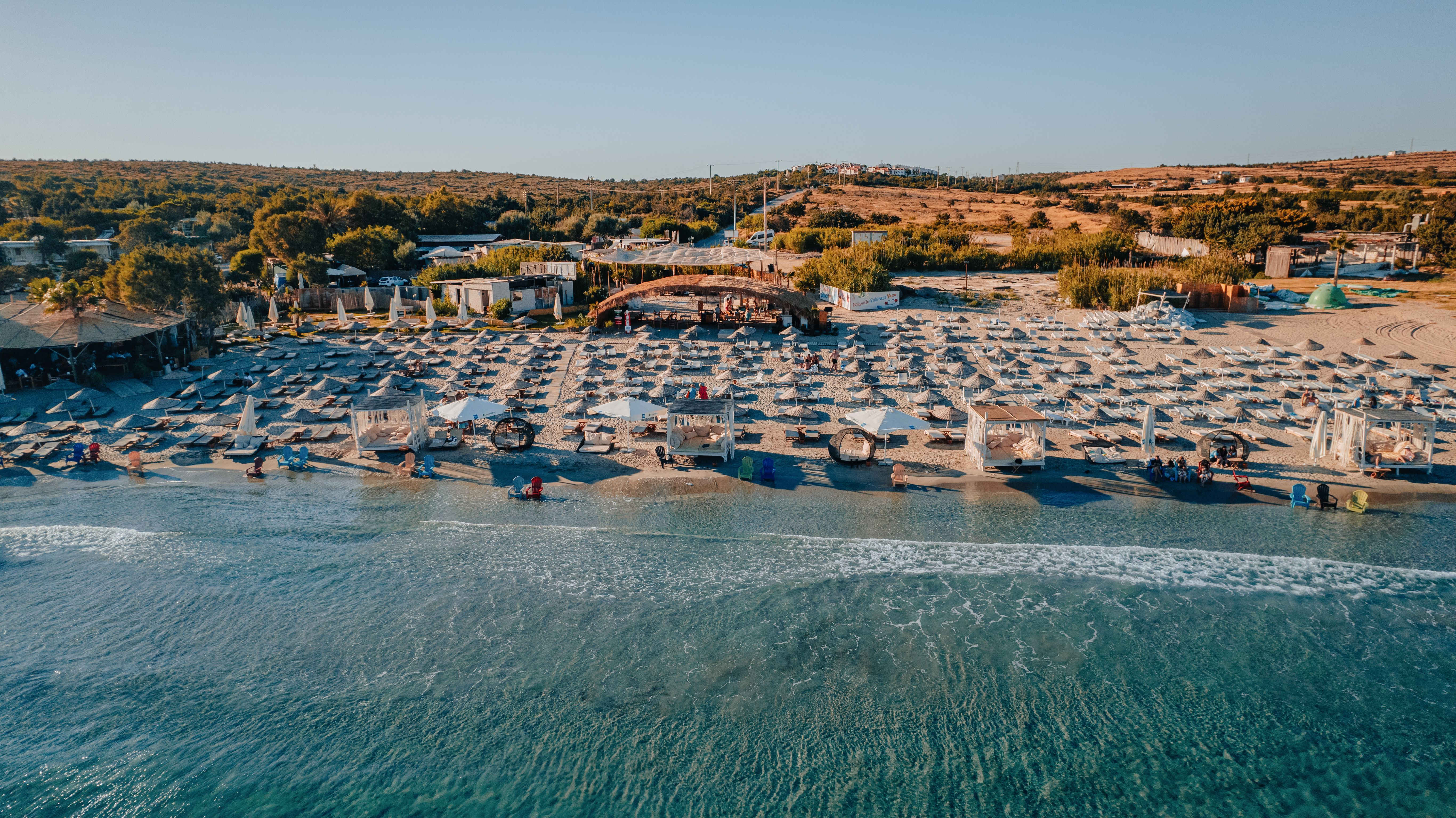
The late afternoon sun bathes powdery white sand in liquid gold as you stand on the shores of Çeşme beaches, where the crystal-clear waters of the Aegean Sea lap against a coastline that has attracted travelers since ancient times. The air carries the scent of salt spray, wild pine resin from the forests that fringe the shore, and the faint aroma of grilled octopus from nearby tavernas. You hear the gentle rhythm of waves breaking on sand, the distant laughter of families enjoying the water, and the soft whoosh of windsurfers gliding across the bay—Çeşme is renowned as one of the world's premier windsurfing destinations. Before you stretches a coastline of extraordinary beauty: beaches with water so clear you can count pebbles at 10 meters depth, thermal springs emerging at 40°C (104°F) directly into the sea at Ilıca Beach, and secluded coves accessible only by foot or boat. This isn't merely a beach destination—it's a place where ancient history meets contemporary leisure, where thermal wellness converges with aquatic adventure, and where travelers can experience the authentic rhythm of Turkey's most sophisticated Aegean coast, all while enjoying waters that have been celebrated since the days of Homer.
Why Çeşme Beaches Embody Aegean Excellence
Çeşme beaches represent far more than a picturesque coastline—they embody the extraordinary synthesis of natural beauty, thermal resources, and recreational infrastructure that defines Turkey's premier Aegean resort destination. Stretching across 60 kilometers of coastline on the Çeşme Peninsula, these beaches solve fundamental challenges of coastal tourism: providing diverse beach experiences for different preferences, maintaining water quality in a heavily visited region, and preserving natural ecosystems while supporting sustainable tourism development.
The natural specifications are remarkable. Çeşme's beaches feature fine white sand composed of crushed quartz and shell fragments, creating the distinctive powdery texture that feels luxurious underfoot. Water clarity regularly exceeds 15 meters visibility due to minimal river sediment input and strong Aegean currents that maintain pristine conditions. The famous Ilıca Beach features a unique geological phenomenon: natural thermal springs emerging from the seabed at temperatures of 38-42°C (100-108°F), creating warm pools within the cool Aegean—a therapeutic combination sought since Roman times. Wind patterns are equally sophisticated: the reliable meltemi winds blow from the north-northeast at 15-25 knots between June and September, creating ideal conditions for windsurfing and kitesurfing at beaches like Altınkum and Pırlanta.
What makes Çeşme unique is its layered appeal: luxury resorts with private beach clubs coexist with public beaches accessible to all; ancient ruins of Erythrai overlook modern marinas; and traditional fishing villages maintain their character alongside sophisticated dining scenes. This convergence of natural splendor, thermal wellness, aquatic sports, and cultural heritage—where thermal springs meet cool Aegean waters, where windsurfing champions train alongside families learning to swim, where ancient history frames contemporary leisure—creates a coastal destination that serves both the adventurous spirit and the contemplative soul of mindful travelers.
The Best Time to Experience Çeşme Beaches
To experience Çeşme beaches at their most enchanting, plan your visit between May 20–June 25 or September 10–October 15, when daytime temperatures range from 22-30°C (72-86°F) and water temperatures reach comfortable 20-24°C (68-75°F) for swimming. During these windows, you'll enjoy ideal conditions for beach activities, photography, and coastal exploration without peak summer crowds or early-season chill.
For optimal photography of turquoise waters and coastal landscapes, arrive at key beaches at 7:00–8:30 AM when morning light illuminates the Aegean with soft, directional illumination that enhances water clarity. Alternatively, visit at 6:00–7:30 PM during golden hour when warm light transforms the sea into shimmering gold and long shadows emphasize the dramatic coastline. The water's appearance shifts dramatically throughout the day—from deep sapphire at dawn to brilliant turquoise at midday to copper-gold at sunset—making timing crucial for capturing its full beauty.
Avoid the peak summer period of July 1–August 20 when temperatures can exceed 35°C (95°F) and beaches reach maximum capacity with domestic and international tourists. While summer offers the warmest water conditions (24-26°C/75-79°F) and reliable winds for watersports, the experience can feel crowded and accommodation prices surge 150-200%. Early season (April) and late season (November) bring cooler water temperatures (16-18°C/61-64°F) and occasional rain, though these periods offer exceptional value and solitude for travelers who prioritize tranquility over swimming.
Approximate Budget for a 7-Day Trip
Visiting Çeşme beaches requires basing yourself in Çeşme town, Alaçatı, or nearby coastal villages, with easy access to the peninsula's diverse beaches. The following budget assumes moderate travel style—comfortable boutique hotels or beach pensions, authentic Aegean cuisine, and a mix of public transportation and occasional taxis. Prices are listed in euros for international travelers, though Turkey uses the Turkish Lira (₺).
- Accommodation: €38–€68 per night in Çeşme town or Alaçatı. Budget pensions start at €30; boutique hotels with sea views run €70-100. Staying in Alaçatı provides charming stone-house atmosphere while Çeşme town offers more amenities and beach access.
- Food: €16-25 per day total. Breakfast: €5-7 for traditional Turkish breakfast with menemen, local cheese, olives, honey, and çay. Lunch: €5-9 for fresh grilled fish, meze platters, and Turkish pide at beachfront tavernas. Dinner: €8-13 for sit-down meals featuring Aegean herbs, octopus, local wine, and baklava.
- Transportation: Round-trip flight to İzmir Adnan Menderes Airport from Istanbul: €60-130. Airport shuttle to Çeşme: €12. Local dolmuş within peninsula: €0.60 per ride. Taxi between beaches: €8-15 per trip. Car rental: €36/day.
- Attractions: Beach access (public beaches): Free. Private beach club day pass: €15-25. Windsurfing lesson (2 hours): €40. Erythrai archaeological site: €6. Çeşme Castle: €4. Boat excursion to nearby islands: €30.
- Miscellaneous: Local olive oil: €9/bottle. Handwoven Aegean textiles: €32-90. Windsurfing equipment rental: €25/day. Regional guidebook: €12.
Total 7-Day Budget: €485–€705 per person (excluding international flights to Turkey)
7 Essential Çeşme Beach Experiences
- Swim at Ilıca Beach's Thermal Springs: Experience the unique phenomenon of natural thermal springs emerging directly into the Aegean at Ilıca Beach. Wade into the shallow waters (depth 0.5-1.5 meters) where warm springs at 38-42°C (100-108°F) mix with cool sea water, creating therapeutic pools. Visit between 10:00 AM–2:00 PM when water temperatures are most comfortable. The white sand bottom and crystal-clear water make this ideal for families and those seeking wellness benefits. Bring water shoes as the thermal areas have rocky patches.
- Try Windsurfing at Altınkum Beach: Experience why Çeşme is renowned as a world-class windsurfing destination. Altınkum Beach offers consistent meltemi winds (15-25 knots) and shallow, protected waters ideal for beginners. Book a 2-hour lesson (€40) with certified instructors who provide equipment and safety briefing. Best conditions occur between 11:00 AM–4:00 PM when winds are most reliable. Even if you don't windsurf, watching experts glide across the turquoise water provides spectacular photography opportunities.
- Explore Secluded Coves by Foot: Hike the coastal paths connecting Çeşme's beaches to discover hidden coves accessible only by foot. The trail from Altınkum to Pırlanta Beach (2.5 kilometers) reveals secluded swimming spots with exceptional water clarity. Start early (8:00–9:00 AM) to avoid midday heat and enjoy the coastal flora—wild thyme, sage, and pine forests. Bring water, sun protection, and sturdy shoes for the uneven limestone path.
- Dine at Beachfront Tavernas: Experience authentic Aegean cuisine at family-run restaurants lining Çeşme's coastline. Order grilled sea bass (levrek), octopus salad (ahtapot salatası), and local meze while watching the sun set over the Aegean. The best tables offer direct sea views. Visit for dinner between 7:00–9:00 PM when the catch is freshest and the atmosphere is most romantic. Expect to pay €18-25 for a full seafood meal with local wine.
- Visit Erythrai Ancient City: Combine beach time with cultural exploration at the archaeological site of Erythrai, perched on a hillside overlooking the sea just 5 kilometers from Çeşme town. The ruins of this Ionian city feature theater seating, temple foundations, and panoramic views across the Aegean toward the Greek island of Chios. Entry: €6. Open 8:00 AM–7:00 PM. Visit late afternoon (4:00–6:00 PM) when golden light illuminates ancient stones and temperatures are cooler.
- Watch Sunset from Çeşme Castle: Climb to the 16th-century Ottoman fortress overlooking Çeşme harbor for panoramic views across the peninsula's beaches and the Aegean Sea. The castle's stone walls and towers provide excellent photography perspectives, especially at sunset. Entry: €4. Open 8:30 AM–7:30 PM. Visit at 6:30–7:30 PM to watch the sun sink into the Aegean while the castle's silhouette creates dramatic compositions.
- Take a Boat Excursion to Nearby Islands: Charter a traditional wooden gulet for a half-day excursion to the small islands dotting Çeşme Bay. Visit deserted islets with pristine beaches, swim in secluded coves inaccessible from land, and enjoy a fresh seafood lunch prepared onboard. Depart from Çeşme marina at 9:00 AM when seas are calmest. Cost: €30-45 per person for group tours. Bring swimwear, sunscreen, and a camera for this unforgettable experience.
3 Hidden Gems Most Travelers Miss
- The Secret Beach at Boyalık: Tucked behind a pine forest 3 kilometers north of Çeşme town, Boyalık Beach offers powdery white sand and exceptionally clear water with far fewer visitors than the main beaches. Most tourists overlook it because signage is minimal and access requires a short walk through forest. Access: From Çeşme-Alaçatı road, follow signs to "Boyalık Sahil"; park at the small lot and walk 300 meters through pine trees. Best visited mid-morning (10:00 AM–12:00 PM) when light filters through trees onto the beach. No entrance fee; bring your own refreshments as facilities are limited.
- The Ancient Harbor at Erythrai: Below the archaeological site of Erythrai, the remains of an ancient harbor with stone mooring blocks and submerged ruins offer a unique combination of swimming and historical exploration. Most beach visitors miss this because it requires a short hike from the main ruins. Access: From Erythrai entrance, follow the coastal path downward for 400 meters. Best explored mid-afternoon (2:00–4:00 PM) when underwater visibility is optimal. Bring snorkeling gear to examine submerged stonework. This feature reveals how ancient civilizations utilized Çeşme's natural harbors.
- The Thermal Spring at Şifne Bay: A lesser-known thermal spring emerges at Şifne Bay, creating warm pools within the cool Aegean similar to Ilıca but with complete solitude. Local residents know this spot, but most tourists never discover it. Access: From Alaçatı, drive south 4 kilometers to Şifne; follow the coastal path eastward for 600 meters. Best visited early morning (7:00–9:00 AM) or evening (6:00–8:00 PM) to avoid crowds. Bring water shoes as the thermal area has rocky entries. The combination of therapeutic waters and privacy makes this worthwhile for wellness seekers.
Cultural & Practical Tips
- Respect Coastal Ecosystems: Çeşme's beaches support fragile marine ecosystems including seagrass meadows and nesting areas for loggerhead turtles. Stay on marked pathways to protect dune vegetation. Do not remove shells, stones, or disturb wildlife. Use reef-safe sunscreen to minimize chemical impact on marine life.
- Photography Guidelines: Photography is permitted throughout Çeşme's beaches, but always ask permission before photographing individuals, especially in traditional fishing villages. Drone photography requires advance permission from provincial authorities (contact: izmir.kultur@ktb.gov.tr). The best light for coastal photography is early morning (7:00–9:00 AM) and sunset (6:30–8:00 PM).
- Essential Phrases: "Teşekkür ederim" (teh-shek-kür eh-deh-rim) = Thank you; "Çeşme plajları nerede?" (chesh-meh plahj-lah-ruh neh-reh-deh) = Where are Çeşme beaches?; "Ne kadar?" (neh kah-dar) = How much?; "Hoş geldiniz" (hosh gel-din-iz) = Welcome.
- Water Safety: Çeşme's beaches are generally safe for swimming, but always check local conditions. The meltemi winds can create strong currents—swim in designated areas and heed warning flags. Thermal spring areas at Ilıca have varying temperatures; test water before entering fully. Children should be supervised near thermal outflows.
- Weather Considerations: The Çeşme Peninsula experiences Mediterranean climate: summer temperatures can exceed 35°C (95°F) with intense sun; winter brings temperatures near freezing and occasional rain. Coastal winds are reliable in summer—bring wind protection for watersports and secure loose items on beaches. The site offers minimal shade; sun protection is essential year-round.
- Understand the Context: Çeşme represents complex cultural heritage with Ionian Greek, Roman, Byzantine, and Ottoman layers. Approach the region with curiosity about multicultural history and respect for ongoing preservation efforts. Consider hiring a local guide who can explain the peninsula's archaeological significance and contemporary coastal culture.
- Support Local Economy: Purchase fresh fish directly from fishermen at Çeşme harbor in the morning, buy local olive oil and honey from village shops, and dine at family-run tavernas. This helps sustain traditional livelihoods in a region facing economic pressures from mass tourism. Learn a few words of Turkish—effort is appreciated even if pronunciation isn't perfect.
Conclusion: Travel with Reverence, Not Just Checklists
Çeşme beaches invite you to do more than photograph turquoise waters against white sand. This is a place to stand where thermal springs meet the cool Aegean, where ancient harbors once welcomed merchant vessels, where windsurfers glide across waters that have witnessed civilizations rise and fall. When you feel powdery sand between your toes, when you swim in waters so clear you can count pebbles at depth, when you share fresh catch and local wine while watching the sun sink into the sea, you participate in a continuity that transcends any single lifetime.
Travel to Çeşme with reverence for the ecosystems that create this beauty, for the cultures that have cherished this coast for millennia, for the ongoing work of preservation that keeps these beaches pristine. Respect the fragility of coastal environments—marine ecosystems recover slowly from disturbance, and every footprint matters. Understand that the tranquility you cherish depends on the restraint of every visitor who comes after you. Let the Aegean's rhythm slow your pace, let its beauty humble your expectations, and let the convergence of natural splendor and cultural heritage remind you that the most profound journeys are those that deepen our appreciation for how human leisure and environmental stewardship can flourish together across generations.