Clérigos Tower: Where Baroque Mastery Meets Porto’s Panoramic Skyline
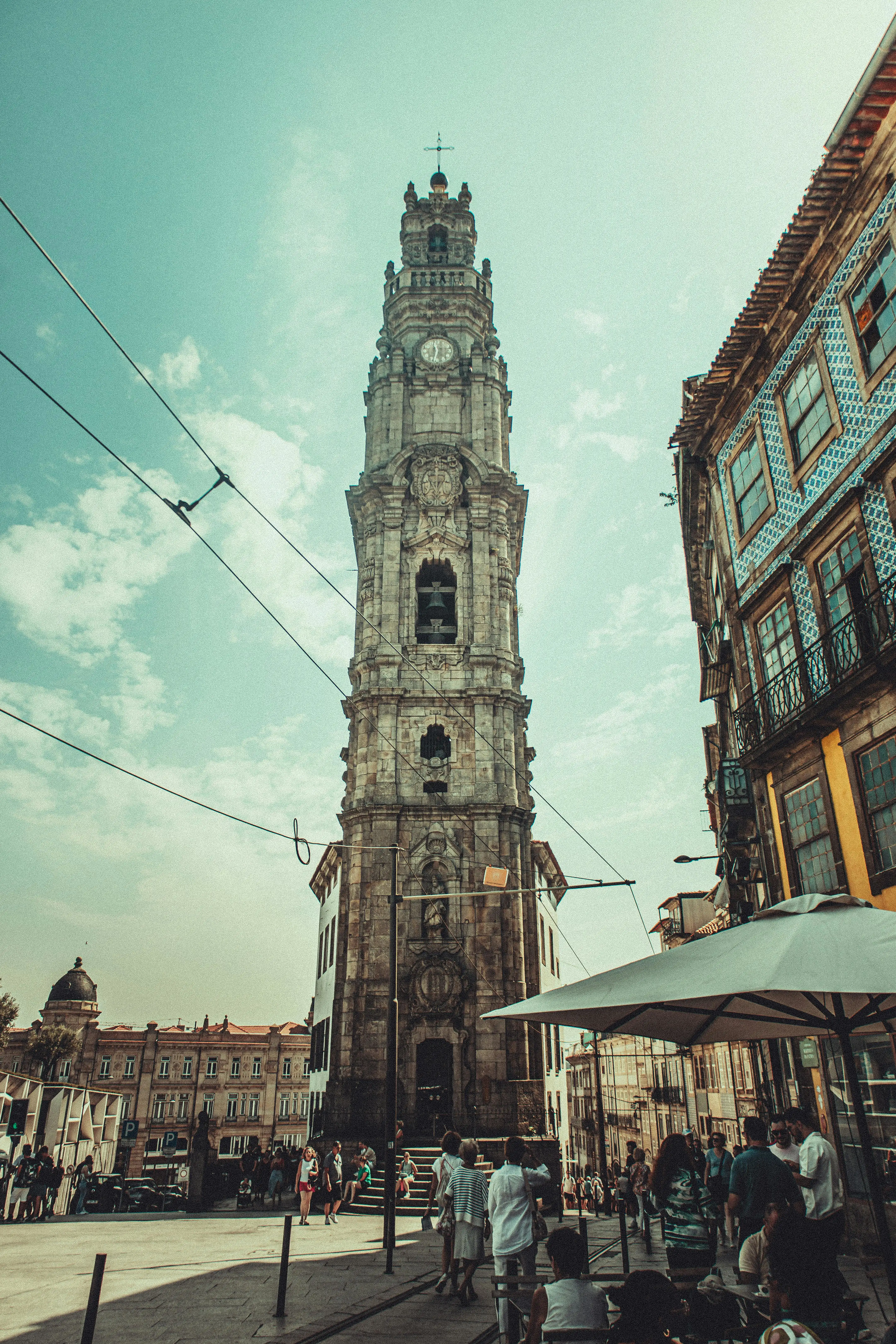
Clérigos Tower: Where Baroque Stone Meets Porto’s Rooftop Views
At 9:05 on a cool April morning, I pay €10 at the entrance to Clérigos Tower and begin climbing the narrow staircase. The first flights feel easy. Then the steps tighten, the stone walls close in and visitors start pausing to let one another pass. By the time I reach the viewing level, my legs are warm and my hands smell faintly of old stone and metal railings. Below, Porto’s orange roofs stretch toward the Douro River, while Igreja dos Clérigos sits directly beneath the tower. The climb is the main reason people visit, but the church and museum make the ticket more useful than a simple viewpoint admission. Clérigos Tower is one of Porto’s clearest landmarks, yet it is not an effortless attraction. There are hundreds of steps, limited space at the top and queues during busy hours. Go early, carry little and take your time. The view improves with every flight.
Why Clérigos Tower Matters
Clérigos Tower is part of the Clérigos complex in Porto’s historic centre. Italian architect Nicolau Nasoni designed the church and tower for the Brotherhood of the Clerics during the eighteenth century. Construction of the tower took place between 1754 and 1763, and its tall Baroque form quickly became a defining part of the city skyline.
The tower rises about 76 metres and was once the tallest building in Portugal. Its position on a high point in the old centre made it useful as a landmark for sailors and travellers approaching the city. Today, it still works as a simple navigation tool. Lose your way in Baixa and look up. Clérigos Tower is usually nearby.
The church beneath it has a richly decorated interior, with carved details, marble features and a dramatic oval layout. The museum adds historical context through religious objects, paintings, furnishings and information about the Brotherhood of the Clerics. The tower climb then shifts the experience from close architectural detail to a wide view over Porto.
The honest criticism is that the tower can feel overcrowded. The staircase is narrow, and people travelling in both directions must squeeze past each other. The top viewing area is also small, so a €10 ticket does not guarantee a long, relaxed viewing session. Visitors who dislike heights, confined spaces or strenuous climbs may prefer the church and museum alone.
The Best Time to Experience Clérigos Tower
Porto has mild winters and warm summers, but the best time for Clérigos Tower depends on both the weather and the staircase. The interior is not air-conditioned in the usual way, so summer climbs can become uncomfortable.
- March 15 to May 31: Daytime temperatures usually range from 16°C to 23°C (61°F to 73°F). This is one of the most comfortable periods for climbing and walking between nearby attractions.
- June 1 to September 15: Expect approximately 22°C to 29°C (72°F to 84°F). Visit between 9:00 and 10:00 a.m. for cooler steps and shorter queues. Late evening can work during extended summer hours.
- September 16 to October 31: Temperatures generally sit between 17°C and 25°C (63°F to 77°F). Crowds often ease after the summer peak, making this a good period for a slower visit.
- November 1 to March 14: Plan for around 11°C to 17°C (52°F to 63°F), with more rain and occasional strong wind. The tower remains useful on a clear day, but cloud can reduce the view.
Early morning is the most reliable choice throughout the year. The middle of the day brings the largest crowds, especially from June through September. Sunset is appealing, but it also attracts more visitors and can leave little room at the top. Check the scheduled entry time before arriving, because access is handled in timed slots.
Approximate Budget for a 7-Day Trip
This estimate covers one adult staying seven nights in Porto, sharing a double room and using public transport where practical. Prices vary sharply during summer, Easter and major city events.
- Accommodation: €420 to €980 for a guesthouse or mid-range hotel. Rooms near Clérigos Tower and Livraria Lello are convenient but often cost more than properties near Trindade or Bonfim.
- Food: €245 to €420 for breakfasts, cafés, casual lunches and several restaurant meals. A daily prato do dia can keep spending close to the lower end.
- Transport: €45 to €90 for metro, buses and occasional taxi rides. Airport transport and a Douro Valley excursion require extra money.
- Attractions: €100 to €220 for Clérigos Tower, museums, a river cruise, a cellar visit and other paid sights. Many churches, viewpoints and walking routes cost nothing.
- Miscellaneous: €80 to €150 for coffee, snacks, luggage storage, souvenirs and small emergencies.
Estimated total: €890 to €1,860 per person.
Livraria Lello is the overpriced attraction many visitors notice first. Its timed admission can feel steep if you are mainly interested in seeing a famous staircase. Clérigos Tower offers a more substantial visit for a similar amount, while São Bento Station and Igreja de Santo Ildefonso provide strong architectural experiences without admission fees. A private taxi across the old centre is also rarely good value when most sights are within walking distance.
Essential Clérigos Tower Experiences
- Climb to the viewing level: Take the narrow staircase slowly and stop when needed. The route is part of the experience, not merely a way to reach the top.
- Look across Porto’s historic centre: From the top, identify the Douro River, Porto Cathedral, Luís I Bridge, the Serra do Pilar monastery and the tiled roofs around Baixa.
- Visit Igreja dos Clérigos: Spend time beneath the tower to see Nasoni’s oval church design, carved decoration and carefully arranged side chapels.
- Explore the Clérigos Museum: Religious art, historic objects and displays about the Brotherhood give context to the building and its original purpose.
- Photograph the tower from street level: Walk toward Rua dos Clérigos or Praça de Lisboa for a fuller view of the stone structure. Looking straight up from the church steps creates a strong sense of scale.
- Plan a sunset visit: When evening access is available, the changing light over the roofs and river can be rewarding. Book ahead, because these slots are limited and popular.
- Skip the climb if stairs are a serious concern: There is no lift to the top, and the staircase is narrow. The church and museum still make a worthwhile visit without the viewpoint.
Hidden Gems Most Travelers Miss
- São Filipe de Nery Street: The street beside the tower gives a close view of the building’s lower stonework and is usually less chaotic than the church entrance.
- Miradouro da Vitória: This nearby viewpoint provides a broad look toward the Douro, Ribeira and Luís I Bridge without requiring a tower climb.
- Portuguese Centre of Photography: Housed in a former prison, this unusual museum adds a different perspective to a day focused on historic architecture.
- Jardim das Virtudes: The terraced garden west of the tower is a good place to sit with a drink and watch the light change over the river.
- Igreja do Carmo and Igreja dos Carmelitas: Their tiled side wall is close to Clérigos Tower and makes an easy addition to a walking route.
- Palácio de Cristal gardens: Farther away but reachable by bus or a longer walk, these gardens offer open space and river views after a crowded morning in the old centre.
- Livraria Lello: The famous bookshop is visually striking, but it is overrated for visitors who dislike queues or have little interest in books. Do not let it replace Clérigos Tower, São Bento Station or the city’s free viewpoints.
Cultural & Practical Tips
- Wear shoes with a firm grip. Porto’s paving stones become slippery in rain, and the tower staircase has little room for awkward footwear.
- Carry only a small bag. Backpacks, wheeled luggage and large bags may not be accepted inside the tower or museum.
- Tourist mistake: Do not arrive late for a timed entry. A missed slot can mean waiting for another opening or losing the visit altogether.
- Tourist mistake: Do not treat the church as a photo studio. Check whether photography is permitted, avoid flash and remain respectful during services.
- Children under 14 must be accompanied by an adult. Keep young children close on the staircase, especially when other visitors are descending.
- Drink water before climbing, but do not expect to carry food or drinks through the attraction. There are no comfortable rest areas on the staircase.
- Allow other visitors to pass at wider landings. Stopping suddenly in the narrowest sections creates unnecessary congestion.
Essential Visitor Information
Location & Access: Clérigos Tower is at Rua de São Filipe de Nery, 4050-546 Porto, Portugal. GPS: 41.1456, -8.6140. It is about 300 metres from São Bento Station, approximately 1 kilometre from Ribeira and around 16 kilometres from Porto Airport. You can reach it by walking from São Bento, by metro to Aliados or São Bento followed by a short walk, or by taxi and ride-hailing service. Buses also stop along nearby central streets.
Tickets & Booking: The standard daytime ticket for the tower and museum is approximately €10, with reduced prices for eligible visitors. Children under 10 may enter free under current conditions. Seasonal evening tickets can be around €5 for the tower alone. Booking is not always essential in quieter months, but it is recommended in summer, during Easter and around Christmas because entry is scheduled by date and time.
Operating Hours: Regular hours are generally 9:00 a.m. to 7:00 p.m., with last entry around 30 minutes before closing. During summer, Easter and the Christmas period, some evening visits extend until 11:00 p.m. Christmas Eve and New Year’s Eve may have shorter hours, while Christmas Day and New Year’s Day can open later. Check the current time slot before travelling.
Visit Duration: Allow at least 30 to 45 minutes for the tower climb and viewpoint. A recommended visit takes 75 to 90 minutes when the church and museum are included. Add time if you plan to take photographs or wait for a less crowded moment at the top.
Family Suitability: Older children who manage stairs well usually enjoy the visit. Young children must remain with an adult, and the narrow staircase requires close supervision. The tower is not wheelchair accessible and has no lift. The church is easier to access, and a multisensory area can offer some of the tower experience to visitors who cannot climb. Stroller access to the tower is not practical.
Timing: Late March through May and mid-September through October offer the most comfortable conditions. Arrive around opening time for cooler temperatures and fewer visitors. Late evening can be worthwhile during extended seasonal hours, but book ahead for popular slots.
Highlights: The 360-degree city view, the Baroque church interior, Nicolau Nasoni’s architectural design, the museum collection and the close view of Porto’s historic rooftops are the main reasons to visit.
Nearby & Day Trip: Livraria Lello is about 120 metres away, Igreja do Carmo is roughly 300 metres away, São Bento Station is about 300 metres away and Porto Cathedral is around 700 metres away. A day trip to the Douro Valley is possible from Porto, but it is better planned as a separate full-day outing rather than added after the tower visit.
Conclusion: Travel with Perspective, Not Just a View
Clérigos Tower is more than a place to photograph Porto from above. Its church, museum and staircase reveal how architecture, religion and city life have shared the same space for centuries. The climb is worth doing if you are comfortable with tight stairs and limited room at the top, but it is not suitable for everyone. Visit early, reserve a timed entry during busy periods and leave large bags at your accommodation. Once you come down, pause in the nearby streets and look back at the tower. The best practical tip is simple: climb before lunch, then explore Porto on foot while your legs still cooperate.
Post a Comment