
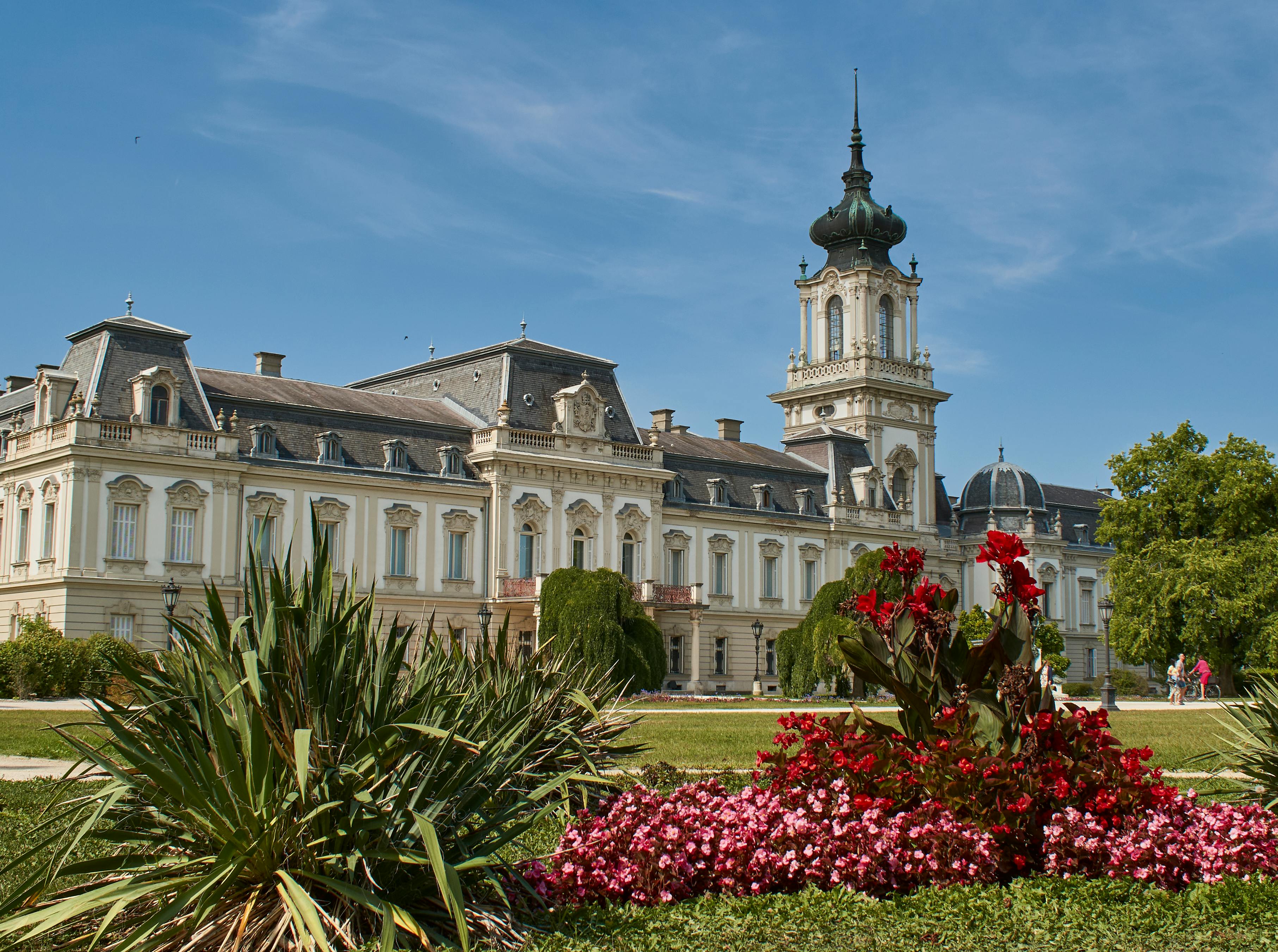
Festetics Palace: Where Baroque Grandeur Meets Lake Balaton’s Gentle Shores
The morning light spills across Lake Balaton’s western edge—soft, golden, filtered through the leaves of century-old maples lining Helikon Park. You hear the crunch of gravel beneath your feet as you approach the palace gates, and then—there it stands. Four wings of honey-colored stone, a central tower rising 47 meters above the manicured parterres, and the scent of linden blossoms drifting from the English-style gardens. Kristóf Festetics laid the first foundation in 1745 atop a ruined castle’s bones, dreaming of a residence that would rival Vienna’s finest. Today, this Baroque masterpiece—one of Hungary’s three largest country houses—welcomes over 200,000 visitors annually . The palace doesn’t just preserve aristocratic history; it breathes it, from the 86,000 volumes in the Helikon Library to the stucco ceilings that have witnessed centuries of Hungarian nobility. This is where time slows, where the weight of Central European heritage rests lightly on your shoulders, and where every corridor whispers stories worth uncovering.
Why Festetics Palace Embodies Hungary’s Aristocratic Golden Age
For more than two centuries, the Festetics family shaped not only this palace but the very fabric of Hungarian intellectual life. When Count György Festetics established the Georgikon in 1797—Europe’s first agricultural college, still operating today as a faculty of the University of Pannonia—he transformed this estate into a beacon of progressive thought . The palace’s library wing, constructed between 1799 and 1801 under the guidance of András Fischer of the Vienna Academy, wasn’t merely a display of wealth. It was a statement: knowledge belongs to everyone. Festetics opened the 86,000-volume collection to Georgikon students, making this Hungary’s only surviving private noble library. Local artisans executed the work—mason József Zitterbart, locksmith József Dobrolán, stove-maker József Pittermann, and master carpenter János Kerbl, who also crafted the intricate inlaid floors. The current palace form emerged between 1883 and 1887 under Count Tasziló Festetics, designed by Viktor Rumpelmayer with neo-Baroque French Second Empire details: mansard roofs, richly framed dormer windows, and a central tower that anchors the garden front . This wasn’t architecture for its own sake; it solved the problem of how a noble family could project power while fostering enlightenment. And it worked.
The Best Time to Experience Festetics Palace
Late spring and early autumn deliver the ideal balance of weather and solitude. From May 15 through June 30, daytime temperatures average 19–25°C (66–77°F), with 9–12 hours of sunshine daily . The gardens explode in bloom, but crowds haven’t yet peaked. September 1 through October 15 offers similar conditions—average highs of 20–25°C (68–77°F)—with the added magic of autumn light filtering through Helikon Park’s maples. For the sun-seeking traveler, July and August bring the warmest weather: average highs of 27–31°C (81–88°F), but also the highest visitor volumes and accommodation prices. The palace opens daily, though hours vary seasonally; aim for 8:00–9:30 AM or 3:00–4:30 PM to explore with fewer crowds. ⚠️ Avoid November through February—daytime temperatures hover between 3–10°C (37–50°F), the gardens lie dormant, and only 3–5 hours of daily sunshine make photography difficult . For the most accurate opening hours and special exhibition schedules, consult the official tourism website: www.helikonkastely.hu/en.
Approximate Budget for a 7-Day Trip
Keszthely offers affordable lake-region pricing, significantly cheaper than Budapest or Western European destinations. The following budget reflects mid-range comfort with one palace-focused day and six days exploring the broader Balaton region. Prices are in Hungarian Forint (HUF) with Euro equivalents; as of 2026, 1 EUR ≈ 385 HUF.
- Accommodation: 15,000–35,000 HUF (€40–90) per night. Budget guesthouses near the palace start at 12,000 HUF; mid-range hotels like Hotel Helikon (a 5-minute walk from Festetics) run 28,000–40,000 HUF including breakfast .
- Food: 9,000–15,000 HUF (€23–40) per day. Breakfast at your guesthouse: 2,000 HUF. Lunch: 3,500–5,000 HUF for traditional dishes like halászlé (Balaton fisherman’s soup) or rántott harcsa (fried catfish). Dinner: 5,000–8,000 HUF at mid-range lakeside restaurants; a glass of local Badacsony white wine adds 800–1,200 HUF.
- Transportation: 2,500–6,000 HUF (€6.50–15.50) daily. Train from Budapest’s Déli station to Keszthely: 3,900 HUF one-way (2.5–3 hours). Local buses within Keszthely: 350 HUF per ride. Bicycle rental for Lake Balaton’s 195-km cycle path: 3,000 HUF per day.
- Attractions: Festetics Palace museum ticket (includes library, Marble Hall, and ballrooms): 3,500 HUF (€9). Combined ticket with carriage exhibition and Palm House: 5,200 HUF (€13.50). Balaton Museum: 1,800 HUF. Georgikon Farm Museum: 1,500 HUF.
- Miscellaneous: 15,000–25,000 HUF (€40–65). Souvenir bottle of Badacsony wine: 3,000–6,000 HUF. Hand-painted Herend porcelain miniature (available in town shops): 8,000–15,000 HUF. Sunset boat cruise on Lake Balaton: 4,500 HUF per person.
Total for 7 days (mid-range, one traveler): 147,500–262,000 HUF (€380–680). Couples sharing accommodations spend roughly €600–1,000 combined.
7 Essential Festetics Palace Experiences
- Helikon Library’s Whispered Wisdom: Stand beneath the 86,000-volume library’s frescoed ceiling—painted by local artisans, not Viennese masters—and run your finger along shelves holding 18th-century scientific texts and botanical illustrations . Morning light (9:00–10:30 AM) filters through windows, illuminating gilded spines. The library remains the only intact aristocratic book collection in Hungary.
- Marble Hall Concerts at Dusk: On summer Thursday evenings (July–August, 7:00 PM), this stucco-decorated hall—crafted by Mátyás Vathner from Pápa—hosts classical concerts . Arrive by 6:30 PM to watch sunlight fade across the 19th-century inlaid floors before the first notes fill the space. Tickets (4,500 HUF) available at the palace box office.
- Carriage Museum’s Gilded Journeys: Housed in the former stable block, this collection displays 18th-century horse-drawn carriages used by the Festetics family. Don’t miss the coronation coach—gold leaf, velvet interiors, and wheels taller than you. Morning visits (10:00–11:00 AM) avoid tour-group crowds.
- Palm House’s Tropical Exhale: Step from Hungarian autumn into a humid greenhouse filled with exotic plants, a rock garden, and free-flying birds . The Palm House adjoins the Amazon House Visitor Center, which features exhibits on royal travelers. The contrast—stone palace behind you, jungle ahead—feels surreal. Best visited after lunch (1:00–2:00 PM) when the greenhouse warms to 25°C (77°F).
- English Garden at Golden Hour: The 42-hectare palace grounds, designed in the 1880s as a nature reserve, follow English landscape traditions . Walk the winding paths between 4:30–5:30 PM (October–March) or 6:30–7:30 PM (April–September) when the setting sun catches the central tower. Look for the Helikon Monument—a domed, eight-columned structure honoring Hungarian writers.
- Georgikon Farm Museum’s Rustic Time Capsule: A 10-minute walk from the main palace, this branch of the museum recreates 19th-century servant and farming life. You’ll see period kitchens, wine presses, and tools that tell the story of how the Festetics estate fed itself. Open April–October only; admission 1,500 HUF.
- Festetics Family Portrait Gallery: Scattered throughout the palace’s state rooms, portraits include family members wearing tartans—a nod to Count Tasziló Festetics’ marriage to Scottish aristocrat Lady Mary Douglas-Hamilton in 1880 . The most striking hangs in the Dining Room (now a concert hall): a life-sized 1885 painting of Tasziló in Highland dress, complete with claymore.
3 Hidden Gems Most Travelers Miss
- The Secret Chapel on the Second Floor: Most visitors rush past the doorway between the Ballroom and the Hunting Exhibition. Push through—you’ll find a Rococo chapel with original 1790s pews, a marble altar, and, if you look up, a ceiling fresco of the Assumption by a little-known Viennese painter. The chapel holds services only on major Catholic holidays; otherwise, you’ll have it entirely to yourself. Access it via staircase C, open 10:00 AM–4:00 PM.
- Helikon Park’s Abandoned Icehouse: In the park’s northeastern corner, hidden by overgrown lilac bushes, stands a brick icehouse from 1823—a conical structure 8 meters deep, once packed with winter ice from Lake Balaton to preserve the family’s food through summer. The icehouse isn’t officially open to the public, but you can peer through the iron grate at the entrance. Follow the gravel path behind the Palm House for 200 meters; look for the moss-covered dome.
- Móra Ferenc Street’s Artisan Pálinka Tasting: Tourists pack the Fő tér restaurants, but a 7-minute walk east brings you to Pálinka Manufaktúra (Móra Ferenc utca 15). This family-run distillery produces apricot, plum, and sour cherry pálinka using 19th-century copper stills. Taste three varieties for 1,500 HUF—the owner, István, will explain how each fruit’s harvest date affects flavor. Open Tuesday–Saturday, 2:00–7:00 PM. Call ahead (+36 30 123 4567) for English-speaking tours.
Cultural & Practical Tips
- Photography rules: In the Helikon Library and Marble Hall, no flash—the light damages 200-year-old bookbindings and tapestries. In the Carriage Museum and gardens, shoot freely. Tripods require a 2,000 HUF permit from the ticket desk.
- Learn basic Hungarian phrases: Locals appreciate attempts. Köszönöm (KUH-suh-nuhm) means “thank you”; Jó napot (YOH NA-pot) is “good day”; Egy sört kérek (EDGE SHURT KAY-rek) gets you “one beer, please.” English is common at the palace but less so in town bakeries.
- Respect the dress code: The palace is a museum, not a beach. Cover shoulders and knees inside exhibition halls—staff may deny entry to visitors in swimwear (common during summer lake visits).
- Tide times for the lake: Lake Balaton has no tides, but strong winds create széllel szemben (wave conditions). Check the Időkép Balaton forecast before planning a boat trip; afternoon winds (1:00–4:00 PM) often make the lake choppy.
- Beware of the “Festetics Pass” scam: Unofficial touts near the main gate sell combination tickets for 8,000 HUF. The real pass—covering palace, carriage museum, Palm House, and Balaton Museum—costs 6,500 HUF and is sold only at the official ticket office inside the courtyard.
- Afternoon siesta reality: Many Keszthely shops and small museums (including the Georgikon Farm Museum) close daily from 12:30–2:30 PM. Plan palace visits for morning or late afternoon, and use midday hours for a long lakeside lunch or a nap in Helikon Park.
- Wheelchair accessibility: The palace’s main exhibition halls, library, and Carriage Museum are fully accessible via ramps and an internal elevator—one of Hungary’s most barrier-free historic houses . The Palm House and gardens also accommodate wheelchairs; the second-floor chapel is not accessible.
Conclusion: Travel with Curiosity, Not Just Checklists
Festetics Palace rewards the patient traveler—the one who lingers in the library long enough to notice the hand-painted marginalia in a 1799 botanical guide, who sits on a garden bench as the tower’s shadow lengthens across the parterre. This isn’t a place for rushing. The Festetics family took 142 years to complete their vision; you can spare an afternoon to absorb it. When you slow down, you start to see the details: the locksmith’s monogram on a door hinge, the way autumn light turns the Marble Hall’s floor to honey, the silence of a chapel that has heard two centuries of whispered prayers. That’s the real value of travel here—not checking boxes, but feeling the weight of a place that has mattered, deeply, to generations of Hungarians. Leave your phone in your pocket. Let the palace speak for itself.