
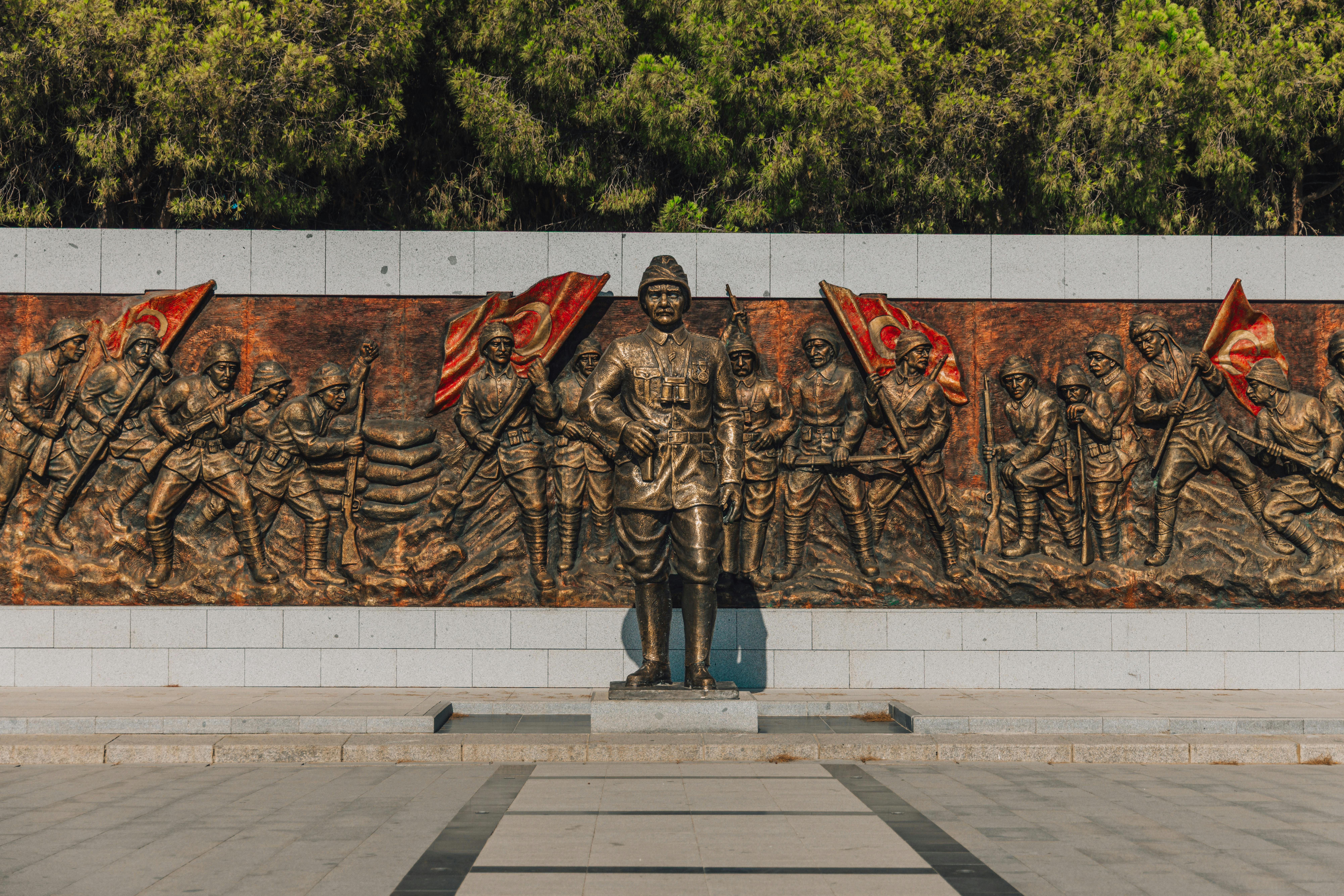
Gallipoli: Where Sacred Memory Meets the Azure Dardanelles
The first light of dawn breaks over the Aegean as you stand on the windswept ridges of Gallipoli, where cypress trees stand sentinel over white stone memorials and the distant waters of the Dardanelles Strait shimmer in soft gold. The air carries the scent of wild sage, salt spray from the sea 200 meters below, and the quiet weight of remembrance. You hear the gentle rustle of leaves in the morning breeze, the distant call of seagulls circling above the strait, and the profound silence that honors over 130,000 souls who found their final rest on this peninsula. Before you stretches a landscape transformed by history: the steep slopes of Anzac Cove where soldiers climbed under fire, the serene cemeteries with rows of white headstones facing the sea, and the imposing Çanakkale Martyrs' Memorial rising 41.7 meters toward the sky. This UNESCO-recognized peace park matters because it embodies humanity's capacity to transform tragedy into reflection—a place where former battlefields become sanctuaries of peace, where descendants of soldiers from opposing sides gather in shared remembrance, and where travelers can contemplate the enduring cost of conflict and the precious value of reconciliation.
Why Gallipoli Embodies Peace Forged from Sacrifice
Gallipoli represents far more than a historical battlefield—it embodies the extraordinary transformation of a site of devastating conflict into a sanctuary of peace, reconciliation, and shared human memory. The peninsula witnessed one of World War I's most consequential campaigns between April 1915 and January 1916, when Allied forces sought to secure the Dardanelles Strait—a critical 61-kilometer waterway connecting the Aegean Sea to the Sea of Marmara and ultimately to Istanbul.
The strategic geography that shaped this history remains vividly apparent: steep cliffs rising 100-150 meters from the shoreline, narrow ridges offering tactical advantages, and the ever-present Dardanelles controlling maritime access. The campaign involved over 500,000 soldiers from Turkey, Britain, France, Australia, and New Zealand; approximately 130,000 lost their lives, with another 250,000 wounded. Today, the peninsula features 31 Commonwealth war cemeteries containing over 22,000 graves, five memorials to the missing, and the monumental Çanakkale Martyrs' Memorial dedicated to Turkish soldiers.
What makes Gallipoli unique is its evolution from battlefield to peace park: established as the Gallipoli Peninsula Historical National Park in 1973, the 33,000-hectare protected area preserves both natural ecosystems and historical integrity. The site solves a profound human need—to honor sacrifice while promoting peace—through thoughtful memorial architecture, educational interpretation, and ceremonies that bring together descendants of former enemies. This convergence of natural beauty, historical significance, and spiritual reflection—where cypress groves shelter white stone memorials, where the sea that witnessed conflict now invites contemplation—creates a destination that speaks to both the heart and the conscience of mindful travelers seeking to understand history's lessons.
The Best Time to Experience Gallipoli
To experience Gallipoli at its most reflective, plan your visit between April 15–June 10 or September 20–October 25, when daytime temperatures range from 17-25°C (63-77°F) and the peninsula blooms with wildflowers or glows with autumn gold. During these windows, you'll enjoy comfortable conditions for walking memorial paths, photography, and attending commemorative services without summer's crowds or winter's chill.
For optimal photography of memorials and coastal views, arrive at key sites at 6:30–8:00 AM when morning light strikes eastern monuments, illuminating stone carvings with soft, directional illumination. Alternatively, visit at 5:00–6:30 PM during golden hour when warm light transforms limestone into amber tones and long shadows emphasize memorial architecture. The peninsula's light shifts dramatically throughout the day—from cool silver at dawn to warm copper at sunset—making timing crucial for capturing its contemplative beauty.
Avoid the peak summer period of June 25–August 20 when temperatures can exceed 32°C (90°F) on exposed ridges, making exploration uncomfortable and drawing maximum crowds, particularly during Anzac Day (April 25) commemorations when advance booking is essential. While summer offers reliable weather, the experience can feel rushed. Winter months (November–March) bring temperatures of 5-12°C (41-54°F) during the day but can drop to 0°C (32°F) at night; rain makes pathways slippery, and some visitor facilities operate on reduced hours.
For current information on visiting hours, commemorative events, and regional tourism services, visit the official Turkish Ministry of Culture and Tourism website: www.ktb.gov.tr
Approximate Budget for a 7-Day Trip
Visiting Gallipoli requires basing yourself in Çanakkale city (30 kilometers away) or Eceabat, with day trips to explore the peninsula's memorials and museums. The following budget assumes moderate travel style—comfortable local hotels, authentic regional dining, and a mix of public transportation and occasional guided tours. Prices are listed in euros for international travelers, though Turkey uses the Turkish Lira (₺).
- Accommodation: €26–€48 per night in Çanakkale city center or Eceabat. Budget pensions start at €21; boutique hotels with Dardanelles views run €50-75. Staying in Çanakkale provides better amenities while Eceabat offers proximity to battlefield sites.
- Food: €12-19 per day total. Breakfast: €3-5 for traditional Turkish breakfast with menemen, local cheese, olives, and çay. Lunch: €4-6 for regional specialties like Çanakkale kebabı, fresh fish from the strait, and Turkish pide at local esnaf lokantası. Dinner: €6-10 for sit-down meals featuring Aegean herbs, baklava, and ayran.
- Transportation: Round-trip flight to Çanakkale Airport from Istanbul: €56-122. Airport shuttle to city center: €3. Local dolmuş within Çanakkale: €0.45 per ride. Bus or taxi to Gallipoli peninsula: €10 round-trip. Car rental: €31/day.
- Attractions: Gallipoli Peninsula Historical National Park: Free. Çanakkale Martyrs' Memorial: Free. Troy archaeological site: €12. Guided battlefield tour: €38. Dardanelles boat tour: €16.
- Miscellaneous: Handwoven Çanakkale ceramics: €22-70. Local olive oil: €7/bottle. Memorial guidebook: €9. Poppy pin donations: €2-5.
Total 7-Day Budget: €385–€560 per person (excluding international flights to Turkey)
7 Essential Gallipoli Experiences
- Attend the Dawn Service at Anzac Cove: Experience the profound solemnity of the daily dawn ceremony at Anzac Cove, where the first light illuminates the beach where soldiers landed under fire. Arrive by 5:30 AM to secure a respectful position; the service includes a moment of silence, bugle calls, and readings. Even outside commemorative dates, the quiet morning atmosphere offers powerful reflection. Dress warmly—coastal mornings can be cool even in summer. Allow 45 minutes for the experience.
- Walk the Lone Pine Cemetery: Visit this meticulously maintained Commonwealth War Graves Commission cemetery containing 1,167 memorials to soldiers with no known grave. The site features rows of white headstones beneath Aleppo pines, with the distinctive Lone Pine memorial at its center. Walk slowly, read inscriptions, and reflect on individual stories. Visit between 8:00–10:00 AM when morning light filters through trees. Photography is permitted but maintain silence and respect.
- Climb to Chunuk Bair Summit: Ascend to this strategic ridge at 265 meters elevation, captured by New Zealand forces in fierce fighting. The New Zealand Memorial offers panoramic views across the peninsula toward the Dardanelles. The 20-minute climb from the parking area rewards with perspective on the campaign's tactical challenges. Visit late afternoon (4:00–5:30 PM) for optimal light and fewer visitors. Bring water and wear sturdy shoes—the path is uneven.
- Explore the Çanakkale Martyrs' Memorial: Visit Turkey's monumental tribute to fallen soldiers, rising 41.7 meters with four pillars symbolizing the nation's strength. The interior museum features exhibits on the campaign from the Turkish perspective, personal artifacts, and multimedia presentations. Entry is free. Allow 60-90 minutes to absorb the exhibits and ascend to the observation deck for sweeping views of the strait.
- Reflect at Brighton Beach Cemetery: Walk this serene coastal cemetery where over 4,000 soldiers rest, many with views of the sea they defended. The site's peaceful setting—cypress trees, flowering shrubs, and the gentle sound of waves—creates a contemplative atmosphere. Visit mid-morning (9:00–11:00 AM) when light is soft. Take time to read the cemetery's register book, which records visitors' thoughts and connections to those buried here.
- Walk the Beaches of Suvla Bay: Explore the broader, gentler slopes of Suvla Bay where British forces landed in August 1915. The landscape here offers a different perspective on the campaign's challenges. Follow the marked coastal path for 2 kilometers, noting interpretive panels that explain military movements. Best walked late afternoon (3:00–5:00 PM) when light is golden and temperatures moderate.
- Visit the Kabatepe Museum: Explore this small but powerful museum near Anzac Cove featuring artifacts, photographs, and personal letters from soldiers on all sides. The exhibits humanize the historical narrative, emphasizing shared experiences of courage and loss. Entry: €3. Open 8:30 AM–5:30 PM. Allow 30-45 minutes; the museum provides essential context before visiting battlefield sites.
3 Hidden Gems Most Travelers Miss
- The Turkish 57th Regiment Memorial: Tucked along a quiet forest path between Anzac Cove and Chunuk Bair, this modest stone memorial honors the Ottoman regiment that suffered near-total casualties defending the ridge. Most international visitors overlook it because signage is primarily in Turkish and it's away from main circuits. Access: From the Anzac Cove parking area, follow the forest trail northward for 400 meters. Best visited mid-morning (10:00 AM–12:00 PM) when light filters through pines. No entrance fee; allow 15 minutes for quiet reflection on the shared cost of conflict.
- The Beach Cemetery at Hell Spit: A small, intimate cemetery at the peninsula's southern tip, containing graves of soldiers from the initial landings. Its secluded location—accessible via a 10-minute walk from the main road—offers profound solitude. Access: From the Eceabat-Seddülbahir road, follow signs to "Hell Spit Beach Cemetery." Best photographed late afternoon (4:30–6:00 PM) when coastal light is soft. This site rewards visitors who seek quieter spaces for contemplation away from larger memorial complexes.
- The Ancient City of Elaeus: On the peninsula's southern coast, archaeological remains of this Greek and Roman settlement predate the WWI campaign by two millennia. Stone foundations, pottery fragments, and a small theater overlook the Aegean. Most battlefield visitors miss this layer of history. Access: From Eceabat, drive south 8 kilometers to Seddülbahir village; the site is signposted. Best visited mid-morning (9:00–11:00 AM). No entrance fee; combine with nearby beaches for a perspective on the peninsula's deep historical continuity.
Cultural & Practical Tips
- Respect Sacred Space: Gallipoli is an active memorial landscape. Speak quietly at cemeteries and memorials. Dress modestly—shoulders and knees should be covered at memorial sites. Remove hats when entering memorial buildings. Follow designated pathways to protect both historical integrity and natural ecosystems.
- Photography Etiquette: Photography is permitted throughout the peninsula, but avoid photographing individuals during private moments of remembrance. Tripods are allowed but must not obstruct pathways. Drone photography requires advance permission from provincial authorities (contact: canakkale.kultur@ktb.gov.tr). The best light for memorial photography is early morning (6:30–8:30 AM) and late afternoon (5:00–7:00 PM).
- Essential Phrases: "Teşekkür ederim" (teh-shek-kür eh-deh-rim) = Thank you; "Gelibolu nerede?" (geh-lee-boh-loo neh-reh-deh) = Where is Gallipoli?; "Ne kadar?" (neh kah-dar) = How much?; "Hoş geldiniz" (hosh gel-din-iz) = Welcome.
- Physical Preparedness: Exploring Gallipoli involves walking on uneven terrain, gentle slopes, and exposed coastal paths. The peninsula is largely unshaded. Wear sturdy, closed-toe shoes with good grip. Carry at least 1.5 liters of water per person. Most memorial sites are accessible, but some paths have gentle gradients that may challenge those with limited mobility.
- Weather Considerations: The peninsula experiences Mediterranean climate: summer temperatures can exceed 32°C (90°F) with intense sun; winter brings temperatures near freezing and occasional rain. Coastal winds are common—bring a light windbreaker regardless of season. The site offers minimal shade; sun protection is essential year-round.
- Commemorative Events: Anzac Day (April 25) and Turkish Victory Day (August 18) draw large crowds. If attending dawn services, book accommodation months in advance and arrive early for security screening. For a quieter experience, visit on non-commemorative dates when the peninsula's contemplative atmosphere is more accessible.
- Understand the Context: Gallipoli holds profound significance for Turkey, Australia, New Zealand, and other nations. Approach the site with respect for multiple perspectives and the shared human cost of conflict. Consider hiring a licensed guide who can explain the campaign's complexity and facilitate meaningful reflection.
Conclusion: Travel with Reverence, Not Just Checklists
Gallipoli invites you to do more than photograph memorials against coastal backdrops. This is a place to stand where courage and loss converged, where former enemies now rest side by side in shared earth, where the sea that witnessed conflict now invites contemplation. When you walk among white headstones, when you read names of those who never returned home, when you gaze across the Dardanelles toward distant shores, you participate in a meditation on memory and peace that transcends any single lifetime.
Travel to Gallipoli with reverence for the sacrifice honored here, for the reconciliation that has grown from tragedy, for the ongoing work of remembrance that keeps history alive. Respect the fragility of this sacred landscape—every footprint matters, every quiet moment honors those who rest here. Understand that the contemplative silence you cherish depends on the restraint of every visitor who comes after you. Let the peninsula's beauty slow your pace, let its history humble your expectations, and let the convergence of memory and hope remind you that the most profound journeys are those that deepen our commitment to peace and our understanding of the human cost when peace is lost.