São Jorge Castle: Where Medieval Fortification Meets Tagus River Light
São Jorge Castle: Where Medieval Walls Meet Lisbon’s Living History
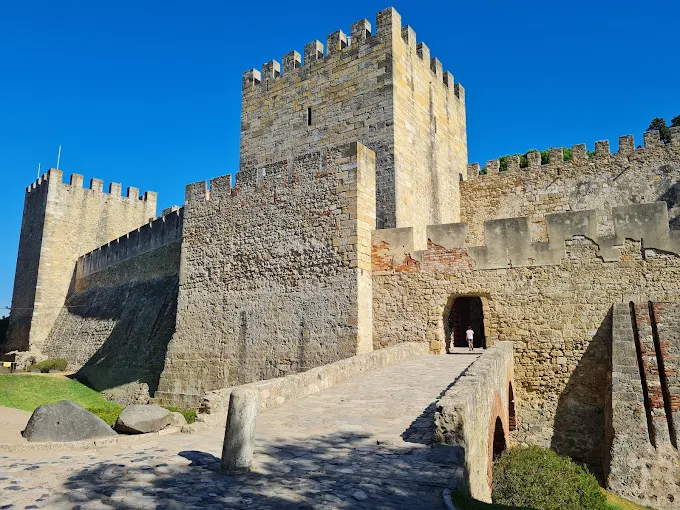
At 9:00 on a Wednesday morning, I paid €17 to enter São Jorge Castle and reached the first viewpoint before the tour groups arrived. The stone underfoot was already warm, peacocks called from the gardens, and Lisbon’s tiled roofs stretched downhill toward the pale blue Tagus. São Jorge Castle is one of the city’s most rewarding historic stops, but it is not simply a monument to tick off a list. The climb through Alfama can be tiring, some wall sections feel narrow, and the entrance price is high for travelers watching every euro. Still, the castle gives you something difficult to find elsewhere in Lisbon: a clear sense of how the city was defended, rebuilt, and shaped by different cultures. Allow at least two hours. Wear shoes with grip, arrive early, and save time for the archaeological site, the old walls, and the views from the northern towers.
Why São Jorge Castle Matters
São Jorge Castle occupies Lisbon’s highest historic hill, where defensive settlements existed long before the present fortress took shape. The Moors expanded the fortifications during their rule, and Portuguese forces captured Lisbon in 1147. Later, the castle served as a royal residence before losing much of its political importance as Lisbon grew beyond the hilltop.
What you see today is a mixture of original structures, archaeological remains, and later restoration. That mixture matters. The site is not a perfectly preserved medieval town. It is a layered record of Lisbon’s military, royal, and urban history, with traces of earlier settlements beneath the current paths.
The castle also helps explain Alfama. From the walls, you can see how tightly the old district follows the hillside and how narrow streets once protected residents from invading forces. The view is excellent, but the history is the stronger reason to visit.
One criticism is fair: São Jorge Castle can feel expensive when compared with Lisbon’s many free viewpoints and churches. Some visitors may find the interiors less impressive than expected because much of the original royal complex disappeared in earthquakes and later redevelopment. Come for the setting, defensive walls, and historical layers rather than lavish rooms.
The Best Time to Experience São Jorge Castle
The most comfortable periods are 1 April to 31 May and 15 September to 31 October. Daytime temperatures usually sit around 18°C to 26°C, or 64°F to 79°F. These months offer good walking weather without the strongest summer heat.
From 1 June to 14 September, Lisbon commonly reaches 26°C to 32°C, or 79°F to 90°F, during the afternoon. Visit between 9:00 and 11:00 in the morning, or after 5:00 in the afternoon. July and August are the busiest months, and exposed sections of the walls can feel harsh under direct sun.
November through February is cooler, usually 12°C to 18°C, or 54°F to 64°F. Rain is more likely, but visitor numbers are lower. The castle operates from 9:00 to 18:00 during this period, so start early if you want time for Alfama afterward.
From 1 March to 31 October, regular hours run from 9:00 to 21:00, with last admission at 20:30. Wall and tower access can close earlier in the evening depending on daylight and safety conditions. The castle closes on 1 January, 1 May, 24 December, 25 December, and 31 December.
Approximate Budget for a 7-Day Trip to São Jorge Castle and Lisbon
A seven-day Lisbon trip can be managed on a moderate budget, especially if you stay outside the most expensive central streets and use public transport. The following estimate is for one adult sharing a room, excluding flights.
- Accommodation: €420 to €770 for seven nights in a budget hotel or private room. A central three-star hotel may cost €900 or more during summer.
- Food: €210 to €350 for simple breakfasts, local lunches, casual dinners, and a few pastries. Restaurant prices rise sharply around Praça do Comércio and the castle entrance.
- Transport: €45 to €75 for metro, trams, buses, and occasional ride-hailing trips. Walking covers much of central Lisbon, though the hills are demanding.
- Attractions: €120 to €190 for São Jorge Castle, museums, churches, a viewpoint lift, and one paid day trip or major monument.
- Miscellaneous: €70 to €120 for coffee, snacks, luggage storage, small gifts, and bottled water.
Estimated total for one traveler sharing accommodation: €865 to €1,505. São Jorge Castle’s €17 adult ticket is not the city’s worst expense, but guided skip-the-line packages can be overpriced at more than €30. Buy the standard ticket through the authorized ticket channel or at the ticket office, then explore independently. Children up to age 12 enter free, which helps families.
Essential São Jorge Castle Experiences
- Walk the castle walls. Follow the ramparts for changing views over Alfama, Baixa, and the Tagus. Some steps are steep and exposed, so take your time.
- Visit the archaeological site. The remains reveal earlier occupation of the hill and add valuable context to the fortress. Access may depend on guided-tour availability.
- Explore the Camera Obscura. This short guided experience uses an optical device to project Lisbon onto a viewing surface. Weather conditions can affect access.
- See the inner courtyard and towers. These areas offer the clearest sense of the castle’s defensive design and are usually less rushed than the main viewpoint.
- Spend time in the gardens. The shaded paths and resident peacocks provide a welcome pause after walking the walls.
- Look across from the northern ramparts. This angle shows the city’s hills, rooftops, and river with fewer buildings blocking the view.
- Skip the castle at midday in July and August if you dislike heat. The experience is much better early in the morning, especially for children and older travelers.
Hidden Gems Most Travelers Miss
- Casa do Leão viewpoint: A quieter corner near the castle grounds where you can pause away from the busiest wall sections.
- Portas do Sol: This viewpoint is popular, but the lanes behind it lead toward less crowded parts of Alfama and small local cafés.
- Rua de Santa Cruz do Castelo: The approach road has old houses, laundry lines, and small details that disappear when visitors hurry toward the entrance.
- São Vicente de Fora: The monastery sits within walking distance and offers striking tilework, a rooftop view, and a calmer visit than the castle.
- Miradouro da Graça: A useful second viewpoint for seeing the castle from across the valley, especially near sunset.
- Santa Luzia: The tiled terrace is pleasant, but it is often overrated during peak hours. Arrive early or continue along Alfama’s quieter lanes instead.
Cultural and Practical Tips for São Jorge Castle
- Wear shoes with solid grip. Cobblestones become slippery after rain, and the hill has few flat sections.
- Carry water, particularly between June and September. The castle has shade, but not every walkway is protected from the sun.
- Do not rely on Tram 28 to take you directly to the entrance. It passes nearby, but you will still face a steep walk.
- Never accept an unrequested restaurant recommendation or taxi offer near the main tourist approaches. Some visitors end up paying inflated prices for short rides and average meals.
- Do not block narrow lanes for photographs. Alfama is a residential neighborhood, not an open-air stage.
- Book ahead for the first entrance slot during July, August, and holiday weekends. The castle can become crowded before late morning.
- Keep small valuables secure in packed trams and busy viewpoints. Tourist areas are generally easy to explore, but careless bags attract attention.
Essential Visitor Information for São Jorge Castle
Location and Access: São Jorge Castle is at Rua de Santa Cruz do Castelo, 1100-129 Lisbon, Portugal. GPS coordinates are approximately 38.7139, -9.1335. The castle is about 7 kilometers from Lisbon Airport. You can take bus 737 toward the castle area, ride the metro to Rossio or Martim Moniz and walk uphill, or use a taxi or ride-hailing service to the nearest accessible drop-off point. The final approach includes steep cobbled streets.
Tickets and Booking: Adult admission is €17. Youth ages 13 to 25 pay €8.50, seniors aged 65 and over pay €14, and children up to 12 enter free with suitable proof of age. Booking is not always required, but it is sensible during summer and holiday periods. Buy online only through the authorized sales platform or at the official ticket office.
Operating Hours: From 1 March to 31 October, the castle is open daily from 9:00 to 21:00, with last admission at 20:30. From 1 November to the end of February, it is open from 9:00 to 18:00, with last admission at 17:30. Towers and wall walks may close before the main grounds for safety reasons.
Visit Duration: The minimum useful visit takes 90 minutes. Allow two to three hours if you want the archaeological site, Camera Obscura, gardens, museum, and wall walks without rushing.
Family Suitability: Children usually enjoy the towers, walls, and peacocks. Stroller access is limited because of cobbles, steps, and narrow passages, so a compact stroller or baby carrier works better. Toilets and cafés are available, but bring snacks for young children.
Timing: The best seasons are spring and early autumn. Visit before 10:30 in the morning for cooler temperatures and shorter queues, or during the final two hours of the day when the light softens. Check access to the Camera Obscura on arrival because weather can change the schedule.
Highlights: Prioritize the northern ramparts, the castle towers, the archaeological site, the Camera Obscura, and the gardens. If time is limited, choose the walls and archaeological remains over the gift shop.
Nearby and Day Trip: Nearby attractions include the Alfama district, São Vicente de Fora, the National Pantheon, and the Santa Luzia viewpoint. A day trip to Sintra is feasible by train, but it deserves a separate full day rather than being squeezed in after the castle. Cascais and Belém are also possible day trips, though each requires its own transport time.
Conclusion: Travel with Historical Curiosity, Not Just a City View
São Jorge Castle is easy to reduce to a viewpoint, especially when the river and rooftops take up most of your photographs. Give the walls, ruins, and changing layers of Lisbon equal attention. The visit becomes more rewarding when you understand why this hill mattered to rulers, soldiers, and residents long before modern tourism arrived. Arrive early, budget for the entrance fee, and leave enough energy for Alfama’s steep lanes. If you could choose only one: would you visit for the history, the walls, or the view?
Post a Comment