
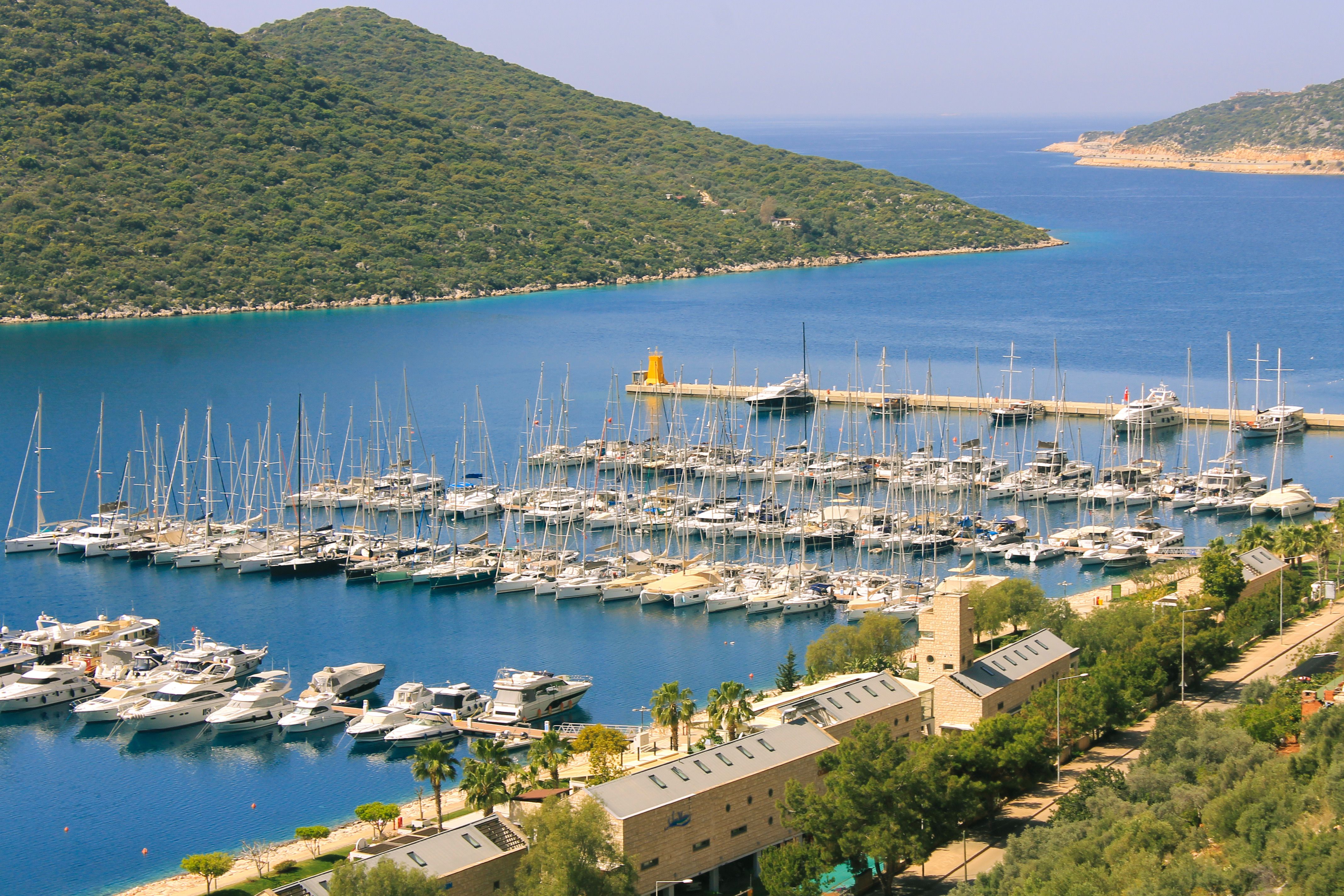
Kaş Diving Spots: Where Underwater Ruins Meet Mediterranean Light
First light pierces the Mediterranean surface as you descend into waters so clear they feel like liquid glass, revealing ancient amphorae resting on sandy bottoms thirty meters below. You've entered the realm of Kaş diving spots—a submerged archaeological wonderland along Turkey's Turquoise Coast where Lycian ruins, volcanic caves, and vibrant marine ecosystems converge beneath waves that maintain visibility exceeding forty meters year-round. The water temperature hovers between twenty and twenty-eight degrees Celsius depending on season, while the gentle current carries the scent of salt and distant pine forests from the shoreline above. Schools of amberjack flash silver in sunbeams that penetrate the blue, and groupers peer curiously from limestone crevices carved by millennia of tidal motion. This place matters because it offers one of the Mediterranean's most accessible underwater museums—a sanctuary where you can swim alongside history, touching stone vessels that once carried wine to ancient ports, while Mediterranean monk seals occasionally glide past in the deeper channels, reminding us that wilderness and heritage can coexist beneath the waves.
Why Kaş Diving Spots Embody Underwater Heritage
Kaş diving spots represent one of the Eastern Mediterranean's most extraordinary underwater landscapes, solving the diver's quest for sites that combine archaeological significance with pristine marine ecosystems. The region's unique geography—where the Taurus Mountains plunge dramatically into the sea—creates diverse dive environments within short distances: volcanic caves at twenty-five meters, ancient shipwrecks at forty meters, and shallow reefs teeming with life at five to fifteen meters. This diversity stems from Kaş's position at the confluence of Aegean and Levantine water currents, creating nutrient-rich conditions that support over three hundred marine species.
The most famous site, the "Underwater Museum" near Kekova Island, features submerged Lycian ruins dating to the fourth century BCE, including stone sarcophagi, harbor foundations, and ceramic amphorae scattered across sandy bottoms at depths of fifteen to thirty-five meters. These artifacts remain protected under Turkish cultural heritage law, allowing observation but prohibiting removal—a balance that preserves history while enabling educational diving. Water visibility averages thirty-five to forty-five meters due to limited sediment runoff and consistent water temperatures, creating ideal conditions for underwater photography and archaeological observation.
Beyond recreation, Kaş diving fulfills vital conservation functions: the region serves as a protected corridor for endangered species including loggerhead sea turtles (Caretta caretta) and Mediterranean monk seals (Monachus monachus). The Turkish Ministry of Environment designated key dive zones as no-take areas in 2008, prohibiting fishing and anchoring to preserve fragile seagrass meadows of Posidonia oceanica that oxygenate waters and provide nursery habitats. Dive centers operating in Kaş must follow strict guidelines established by the Turkish Underwater Sports Federation, including mandatory briefings on artifact protection, buoyancy control requirements to prevent seabed damage, and limits on group sizes to minimize ecological impact. Scientific surveys conducted by Akdeniz University's Marine Biology Department since 2001 have documented the area's biodiversity, revealing endemic species found nowhere else in the Mediterranean, making Kaş as important for marine conservation as it is for recreational diving.
The Best Time to Experience Kaş Diving Spots
Timing your dives in Kaş diving spots dramatically affects water visibility, marine life activity, and comfort levels. The optimal window stretches from May 20–June 28 and September 8–October 18, when water temperatures range between 21–25°C (70–77°F) and visibility consistently exceeds forty meters. During these shoulder seasons, thermoclines remain minimal, marine life is active but not overwhelmed by summer tourism, and dive boat traffic stays manageable at approximately fifteen to twenty boats daily rather than the forty to fifty seen in peak season. Arrive for morning dives between 8:30–10:00 AM when winds are calmest, surface conditions are glassy, and underwater light penetration creates spectacular photography conditions.
Avoid July 20 through August 25 absolutely: surface temperatures soar to 34–40°C (93–104°F), dive boats reach maximum capacity creating crowded underwater conditions, and afternoon meltem winds can generate surface chop that complicates entries and exits. Midday dives between 12:00–4:00 PM during peak season prove less rewarding—increased boat traffic stirs sediment reducing visibility, and marine life often retreats to deeper, cooler waters. Winter months (November through March) bring cooler water temperatures of 16–19°C (61–66°F) requiring thicker exposure protection, while occasional storms can cancel boat dives for safety; however, experienced cold-water divers may appreciate the dramatic conditions and exclusive access to sites.
The optimal diving season extends from May through October, with water remaining comfortably diveable into early November for those comfortable with cooler temperatures. Note that many dive centers operate seasonally from May 1 through October 15, and advanced bookings are recommended for popular sites like the Underwater Museum during peak periods.
Approximate Budget for a 7-Day Trip
Exploring Kaş diving spots offers excellent value for underwater enthusiasts, combining world-class dive sites with affordable Turkish hospitality. This budget assumes moderate comfort—mid-range accommodation with sea views, fresh Mediterranean cuisine, local transportation, two-tank dive packages, and selective specialty experiences. Prices reflect 2026 rates for certified divers seeking authentic underwater adventures without luxury resort pricing.
- Accommodation: €48–€85 per night in Kaş town center or Kalkan (boutique hotels with pool and breakfast; budget pensions from €28, luxury seaside resorts from €145)
- Food: €28–€42 per day (breakfast €6—Turkish kahvaltı spread with cheeses, olives, tomatoes, honey, börek; lunch €9–€13—gözleme, grilled fish sandwich, or meze platter at harbor cafes; dinner €13–€23—fresh sea bass, lamb şiş kebab, or vegetarian options with local wine)
- Transportation: €66 total (Dalaman Airport to Kaş via shuttle: €11 each way; local dolmuş to nearby beaches: €2 per ride; taxi to dive centers: €8; bicycle rental: €9/day; optional car rental for exploring: €38/day)
- Attractions: €195 total (Two-tank dive packages: €55–€75 per day; PADI certification course: €320; boat trip to Kekova Island: €35; Kaş Ancient Theatre: €4; underwater photography workshop: €45; equipment rental supplement: €15/day)
- Miscellaneous: €52 (reef-safe sunscreen €10, underwater camera housing €25, Turkish evil eye charm €8, local olive oil products €14, travel insurance prorated €11)
Total: €680–€920 for 7 days (excluding international flights to Dalaman and certification courses)
7 Essential Kaş Diving Experiences
- Dive the Underwater Museum at Kekova: Book a morning two-tank dive (€65 including equipment) departing Kaş harbor at 9:00 AM to explore submerged Lycian ruins near Kekova Island. Descend to fifteen meters where stone sarcophagi, harbor foundations, and ceramic amphorae rest on sandy bottoms. Visibility typically exceeds forty meters, allowing clear observation of artifacts while maintaining respectful distance. Your guide will explain the historical significance while monitoring buoyancy to prevent seabed disturbance. Allow two hours underwater to fully appreciate this unique archaeological experience.
- Explore the Blue Hole cave system: This advanced dive site features a vertical shaft descending to forty-two meters with lateral caves extending horizontally. Enter at the surface opening near Kaş's eastern coastline, following the natural light gradient downward. At twenty-five meters, lateral passages reveal stunning limestone formations and resident groupers that have grown accustomed to divers. Bring a primary and backup light even for daytime dives—the cave interiors create dramatic shadow play. This dive requires advanced certification due to overhead environment; book with certified cave diving instructors only.
- Swim with loggerhead sea turtles: The shallow reefs between Kaş and Kekova (five to fifteen meters depth) serve as feeding grounds for Caretta caretta. Book a specialty turtle encounter dive (€70) during morning hours when turtles are most active feeding on seagrass. Maintain three-meter distance as required by Turkish wildlife protection law, and avoid flash photography which can disorient marine life. These encounters typically last 20–30 minutes and offer unforgettable opportunities to observe these ancient creatures in their natural habitat.
- Photograph the volcanic reef formations: Kaş's underwater landscape includes dramatic volcanic rock formations covered in colorful sponges, gorgonians, and anemones. The "Rainbow Reef" site at eighteen meters depth offers exceptional macro photography opportunities with resident seahorses, nudibranchs, and octopus. Visit between 10:00 AM–12:00 PM when natural light penetrates deepest, enhancing color saturation. Bring a macro lens or close-up filters, and practice buoyancy control to avoid stirring sediment that can ruin shots.
- Experience night diving at the harbor wall: For certified night divers, Kaş harbor offers accessible entry with fascinating nocturnal marine activity. Descend to ten meters where lobsters emerge from crevices, octopus hunt along the bottom, and bioluminescent plankton create magical light displays. Night dives (€75 including specialized equipment) depart at 7:00 PM in summer, 5:00 PM in autumn. Bring a primary light plus backup, and follow your guide's hand signals carefully. The experience reveals a completely different underwater world rarely seen by daytime divers.
- Drift dive the Mediterranean current: For experienced divers, the current channels between Kaş and the Greek island of Kastellorizo offer thrilling drift dives at twenty to thirty meters depth. These dives (€80 including safety equipment) require excellent buoyancy control and awareness of boat traffic. The current carries divers past vertical walls covered in black coral, through schools of barracuda, and occasionally past passing dolphins. Dive operators provide surface marker buoys and coordinate closely with boat captains for safe pickups.
- Combine diving with surface exploration: After morning dives, explore Kaş's charming harbor town on foot. Visit the ancient theatre overlooking the Mediterranean, browse local craft shops selling handwoven textiles, and enjoy fresh seafood at waterfront tavernas. This surface time allows nitrogen off-gassing between dives while experiencing the cultural context of the underwater sites you've explored. Many dive centers offer combined packages including boat transport to Kekova's terrestrial ruins for comprehensive historical appreciation.
3 Hidden Gems Most Travelers Miss
- The Secret Cave at Çukurbağ Peninsula: Located on Kaş's western peninsula, this small underwater cave system remains unknown to most tourists because access requires a short swim from a rocky shoreline rather than boat transport. Ask local dive masters for "gizli mağara" directions—the entrance sits at eight meters depth beneath an overhanging limestone ledge. Inside, the cave extends thirty meters horizontally with stunning light beams penetrating from surface openings. Visit during mid-morning (10:00–11:30 AM) when sunlight creates cathedral-like effects. Bring a light even for daytime visits, and never dive alone—inform your dive center of plans. The site hosts resident moray eels and colorful sponges rarely seen at busier locations.
- The Ancient Fish Trap ruins: Approximately one kilometer southeast of Kaş harbor, submerged stone structures dating to the Hellenistic period form an underwater archaeological site rarely included in standard dive itineraries. These fish traps—V-shaped stone walls designed to channel fish into holding areas—rest at twelve to eighteen meters depth. Access requires requesting a specialized dive from your operator (additional €20), as the site isn't marked on standard dive maps. Visit during low-tide periods (check local tide tables; low tide typically occurs around 3:00–5:00 PM) when water clarity improves. The traps offer unique photographic opportunities and tangible connections to ancient coastal livelihoods.
- The Medicinal Sponge Gardens: In a protected bay three kilometers east of Kaş, extensive beds of Spongia officinalis—the Mediterranean medicinal sponge—create an underwater landscape of soft, golden formations. This site remains overlooked because it requires calm sea conditions and experienced boat captains familiar with the location. Request this specialty dive when booking, mentioning interest in marine biology or underwater photography. The sponge gardens thrive at fifteen to twenty-five meters depth and host diverse microfauna including rare nudibranch species. Visit between June and September when sponge coloration is most vibrant. Dive operators limit groups to four divers here to prevent ecological disturbance.
Cultural & Practical Tips
- Respect underwater heritage laws: Turkish law strictly prohibits removing artifacts from underwater sites, including small ceramic fragments or stones from ancient ruins. Violations carry fines up to ₺5,000 (approximately €150) and potential legal consequences. Practice "look but don't touch" ethics, maintain proper buoyancy to avoid disturbing seabeds, and report any looting activity to dive masters or local authorities.
- Verify dive operator certifications: Only book with dive centers displaying current licenses from the Turkish Underwater Sports Federation (TSSF) and international agencies like PADI, SSI, or CMAS. Reputable Kaş operators include Kaş Underwater Sports, Aquanaut Diving, and Mediterranean Dive Center. Ask to see instructor certifications and equipment maintenance records before booking.
- Prepare for variable conditions: Mediterranean weather can change rapidly—bring exposure protection suitable for 19–28°C (66–82°F) water temperatures depending on season. A 5mm wetsuit works for most conditions, but consider a 7mm or semi-dry suit for early season or deeper dives. Always carry a surface marker buoy and dive computer, even on guided dives.
- Learn essential Turkish phrases: "Merhaba" (mehr-hah-bah—hello), "Teşekkür ederim" (teh-shek-kür eh-deh-rim—thank you), "Dalış nerede?" (dah-luhsh neh-reh-deh—where is the dive?), "Su sıcaklığı ne kadar?" (soo sah-jak-luh-uh neh kah-dar—what is the water temperature?), and "İyi dalışlar" (iy-ee dah-luhsh-lar—good dives). Even basic efforts earn warm responses from local dive professionals.
- Understand photography etiquette: While underwater photography is encouraged, avoid using flash near sensitive marine life like seahorses or octopus, as sudden bright light can cause stress. When photographing other divers, maintain respectful distance and avoid positioning yourself between them and marine life. Surface photography of dive boats requires permission from captains.
- Plan for seasonal marine life: Spring (May–June) offers peak visibility and active turtle feeding. Summer (July–August) provides warmest water but increased boat traffic. Autumn (September–October) features migratory species like barracuda and occasional dolphin encounters. Winter diving requires advanced certification and specialized equipment but offers exclusive site access.
- Practice responsible buoyancy: Kaş's fragile ecosystems—including seagrass meadows and archaeological sites—depend on divers maintaining neutral buoyancy. Practice skills in shallow water before attempting sensitive sites. Never stand on the seabed or touch marine life, even if creatures appear approachable. Your buoyancy control directly impacts the preservation of these underwater treasures.
Conclusion: Travel with Reverence, Not Just Checklists
Kaş diving spots don't yield their deepest magic to those racing through sites for quick photos. They reward the diver who pauses to observe how light dances on ancient amphorae, who respects the three-meter distance from a curious loggerhead turtle, who understands that these underwater treasures represent fragile intersections of history and ecology requiring our protection. When you hover weightlessly above Lycian ruins, watching sunlight filter through turquoise water onto stone that has rested undisturbed for two millennia, you're participating in an experience that connects you to both human heritage and marine wilderness.
Responsible diving here means honoring Kaş's protected status—maintaining perfect buoyancy to prevent seabed damage, supporting operators who follow conservation guidelines, leaving no trace beyond bubbles that rise and vanish, and recognizing that your presence is a privilege granted by the sea's generosity. These underwater sites have survived centuries while maintaining their integrity—a balance worth preserving for future generations of divers, archaeologists, and ocean lovers. Come not just to collect dive logs, but to understand that wonder beneath the waves isn't consumed—it's cultivated, one respectful descent, one moment of pure connection, one commitment to preserving Earth's submerged stories at a time.