
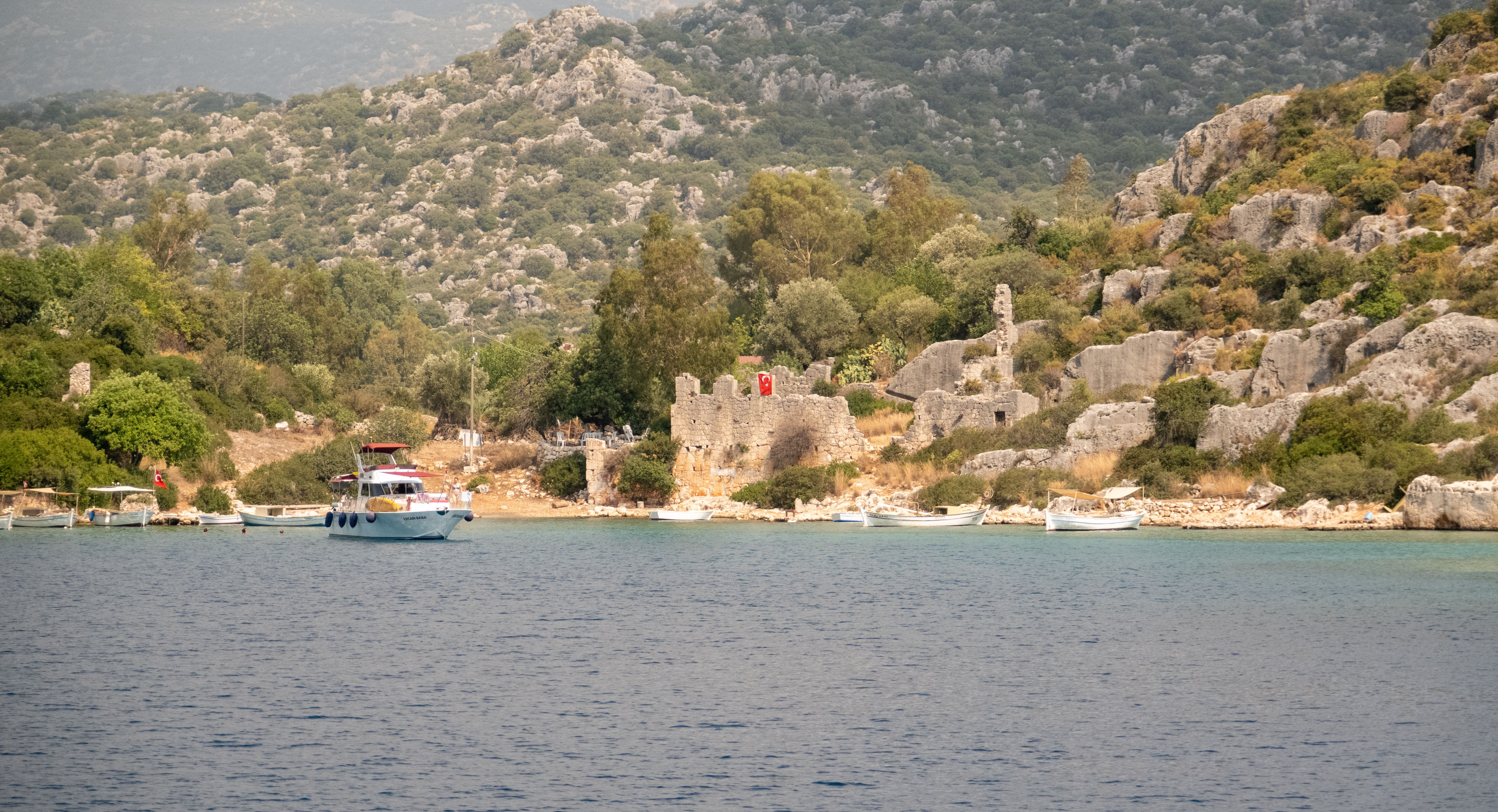
Kekova Sunken City: Where Ancient Ruins Meet Turquoise Depths
First light spills across the Mediterranean as your boat glides over waters so transparent you can count individual stones on submerged staircases thirty meters below. You've arrived at Kekova sunken city—a hauntingly beautiful archaeological wonder where the ancient Lycian settlements of Simena and Teimussa rest partially beneath waves that have preserved their secrets for over two millennia. The air carries the scent of wild thyme and salt, while the gentle lap of water against limestone foundations creates a rhythm as timeless as the ruins themselves. Through glass-bottom boats or while snorkeling, you peer into an underwater museum: stone staircases descending into blue depths, harbor walls still standing where merchant ships once docked, and ceramic amphorae scattered across sandy bottoms like forgotten treasures. This place matters because it offers one of the world's most accessible encounters with submerged history—a sanctuary where you can witness the delicate balance between preservation and exploration, where ancient craftsmanship meets modern conservation, and where the Mediterranean itself becomes both guardian and exhibitor of a civilization lost to time yet vividly alive beneath the surface.
Why Kekova Sunken City Embodies Submerged Heritage
Kekova sunken city represents one of the Mediterranean's most poignant archaeological landscapes, solving the modern traveler's desire to experience ancient history in its most authentic, unaltered state. The submerged ruins date primarily to the fourth century BCE, when Lycian settlements thrived along this rugged coastline before earthquakes in the second century CE caused partial subsidence, leaving portions of the ancient cities of Simena and Teimussa beneath the sea. Today, approximately two hundred meters of submerged structures remain visible, including harbor foundations, stone staircases, building walls, and over fifty ceramic amphorae scattered across depths ranging from two to thirty meters.
The site's preservation relies on Turkey's strict cultural heritage protections established in 1972, which prohibit diving directly on the ruins, anchoring on archaeological zones, or removing any artifacts—a framework that balances public access with conservation. Water clarity averages thirty to forty meters due to limited sediment runoff and consistent salinity levels, creating ideal conditions for underwater observation without disturbance. The limestone construction of Lycian buildings has proven remarkably resilient; blocks fitted without mortar have withstood millennia of tidal motion, while the cool, oxygen-poor depths have slowed organic decay of wooden elements and ceramic surfaces.
Beyond its historical significance, Kekova fulfills critical ecological functions: the submerged structures provide artificial reef habitats supporting diverse marine life including groupers, sea bream, and occasional loggerhead sea turtles. The Turkish Ministry of Culture and Tourism designated the area a Special Protected Zone in 1998, restricting development on Kekova Island and regulating boat traffic to prevent anchor damage to fragile ruins. Scientific surveys by Akdeniz University's Underwater Archaeology Department have documented over three hundred distinct architectural fragments, revealing sophisticated Lycian engineering techniques including earthquake-resistant construction methods that allowed portions of the city to remain standing even after seismic events. The Kekova sunken city thus serves as both an open-air museum and a living laboratory where archaeology, marine biology, and responsible tourism converge.
The Best Time to Experience Kekova Sunken City
Timing your visit to Kekova sunken city dramatically affects water visibility, marine conditions, and overall experience quality. The optimal window stretches from May 18–June 25 and September 10–October 18, when water temperatures range between 21–25°C (70–77°F) and visibility consistently exceeds thirty-five meters. During these shoulder seasons, thermoclines remain minimal, boat traffic stays manageable at approximately twenty to thirty vessels daily rather than the sixty to eighty seen in peak summer, and underwater light penetration creates spectacular conditions for observing submerged ruins. Arrive for boat tours between 9:00–10:30 AM when morning winds are calmest, surface conditions are glassy, and sunlight angles enhance underwater visibility.
Avoid July 20 through August 25 absolutely: surface temperatures soar to 34–40°C (93–104°F), boat tours reach maximum capacity creating crowded viewing conditions, and afternoon meltem winds can generate surface chop that reduces underwater clarity. Midday visits between 12:00–4:00 PM during peak season prove less rewarding—increased boat traffic stirs sediment reducing visibility, and the intense sun creates glare that makes observing submerged details difficult. Winter months (November through March) bring cooler water temperatures of 16–19°C (61–66°F) and occasional storms that can cancel boat tours for safety; however, the dramatic winter light and exclusive access appeal to photographers and solitary travelers.
The optimal viewing season extends from May through October, with water remaining clear enough for observation into early November. For current site conditions, boat tour schedules, and conservation updates, consult the official resource: https://www.kekovaboattrip.com/—Turkey's Ministry of Culture and Tourism portal provides comprehensive information about Kekova Special Protected Area, permitted tour operators, and seasonal regulations. Note that swimming and diving directly on the submerged ruins remain prohibited year-round to preserve archaeological integrity, though snorkeling in designated areas nearby is permitted with licensed guides.
Approximate Budget for a 7-Day Trip
Exploring Kekova sunken city and the surrounding Turquoise Coast offers excellent value for history enthusiasts and marine adventurers. This budget assumes moderate comfort—mid-range accommodation with sea views, fresh Mediterranean cuisine, local transportation, guided boat tours to Kekova, and selective cultural experiences. Prices reflect 2026 rates for travelers seeking authentic underwater heritage experiences without luxury resort pricing.
- Accommodation: €45–€82 per night in Kaş, Üçağız, or Demre (boutique hotels with pool and breakfast; budget pensions from €26, luxury seaside resorts from €140)
- Food: €27–€40 per day (breakfast €5—Turkish kahvaltı spread with cheeses, olives, tomatoes, honey, börek; lunch €9–€12—gözleme, grilled fish sandwich, or meze platter at harbor cafes; dinner €13–€23—fresh sea bass, lamb tandır, or vegetarian options with local wine)
- Transportation: €64 total (Dalaman Airport to Kaş via shuttle: €11 each way; local dolmuş to Üçağız: €3 per ride; taxi to boat departure points: €10; bicycle rental: €8/day; optional car rental for exploring: €36/day)
- Attractions: €92 total (Kekova boat tour with glass-bottom viewing: €35; Kaş diving experience: €65; Simena Castle entrance: €4; Lycian Way hiking guide: €18; underwater photography workshop: €40; equipment rental supplement: €12/day)
- Miscellaneous: €48 (reef-safe sunscreen €9, waterproof phone case €10, Turkish evil eye charm €7, local olive oil products €13, travel insurance prorated €9)
Total: €470–€650 for 7 days (excluding international flights to Dalaman)
7 Essential Kekova Sunken City Experiences
- View submerged ruins from a glass-bottom boat: Book a morning tour departing Üçağız harbor at 9:00 AM (€35 including guide and refreshments) for optimal underwater visibility. Position yourself at the glass panel as the boat glides over the ancient harbor area—depths of five to fifteen meters reveal stone staircases, wall foundations, and scattered amphorae with remarkable clarity. Your guide will point out significant features while explaining Lycian history. Allow forty-five minutes for the submerged ruins segment; morning light penetrates deepest, enhancing observation quality.
- Snorkel in designated clear-water zones: While swimming directly on ruins is prohibited, licensed operators offer snorkeling experiences in adjacent areas where marine life thrives among natural rock formations. Rent equipment (€8) and enter from the boat at designated coordinates; visibility typically exceeds thirty meters. Observe groupers, sea bream, and occasional sea turtles while maintaining respectful distance from archaeological zones. This experience combines underwater beauty with conservation ethics—enjoying the Mediterranean's clarity without disturbing its heritage.
- Explore Simena Castle's panoramic viewpoint: After your boat tour, visit the hilltop fortress of Simena (entrance €4) overlooking the sunken city. The fifteen-minute climb rewards with breathtaking aerial perspectives of Kekova Island, the submerged ruins below, and the turquoise coastline stretching toward Greece. Visit between 4:00–6:00 PM when golden light bathes the landscape, creating spectacular photography conditions. The castle's ancient theater, carved directly into limestone, offers intimate acoustics and sunset views that connect you to Lycian cultural life.
- Photograph the underwater staircase: The most iconic feature of Kekova sunken city is a stone staircase descending from a partially submerged building into clear blue depths. Position your camera at the boat's glass panel during mid-morning (10:00–11:30 AM) when sunlight angles create dramatic illumination. Use a polarizing filter to reduce surface glare and capture the staircase's full depth. This image has become symbolic of Turkey's underwater heritage—take time to compose thoughtfully rather than rushing the shot.
- Visit the terrestrial ruins of Teimussa: Many boat tours include stops at the above-water portions of ancient Teimussa on Kekova Island's northern shore. Walk among Lycian rock-cut tombs, fortified walls, and cisterns dating to the fourth century BCE. The site requires moderate hiking over uneven terrain—wear sturdy shoes and carry water. Allow one hour to explore; the combination of terrestrial and submerged ruins provides comprehensive understanding of how earthquakes transformed this ancient settlement.
- Enjoy a traditional Turkish lunch on the water: Most Kekova boat tours include a stop at a sheltered bay for lunch prepared onboard. Expect fresh grilled fish, meze platters, seasonal salads, and local wine served on the deck with panoramic Mediterranean views. This pause allows digestion time between morning and afternoon activities while experiencing Turkish hospitality. Request vegetarian options when booking; most operators accommodate dietary needs with advance notice.
- Watch sunset from Üçağız harbor: Return to the quaint fishing village of Üçağız by late afternoon and stroll the waterfront promenade as the sun descends behind Kekova Island. The harbor's calm waters reflect golden light on white-washed buildings, while local fishermen mend nets beside moored gulets. This tranquil conclusion to your Kekova day offers authentic village atmosphere far from mass tourism. Stay for dinner at a family-run taverna serving catch-of-the-day specialties with harbor views.
3 Hidden Gems Most Travelers Miss
- The hidden cove at Batık Limanı: Approximately one kilometer west of the main sunken city area, a small, unmarked cove known locally as Batık Limanı ("Sunken Harbor") features exceptionally clear water and minimal boat traffic. Access requires requesting a specialized route from your boat captain (additional €15), as standard tours don't include this location. The cove's submerged rock formations create natural aquariums visible from the surface, hosting colorful sponges and resident octopus. Visit between 2:00–4:00 PM when afternoon light illuminates underwater details. Bring snorkel gear and maintain buoyancy awareness to protect fragile marine habitats.
- The Lycian rock-cut tombs of Üçağız: While most visitors focus on Kekova's underwater ruins, few explore the ancient burial chambers carved into cliffs surrounding Üçağız village. These fourth-century BCE tombs feature relief carvings and inscriptions in Lycian script, offering tangible connections to the civilization that built the sunken city. Access requires asking locals for "kaya mezarları" (rock tombs)—paths begin behind the village mosque and climb gently for ten minutes. Visit at sunset when golden light illuminates carved details and you can photograph the tombs with the Mediterranean as backdrop. Bring water and wear sturdy shoes; paths include loose gravel sections.
- The freshwater spring at Kaleköy: Near the terrestrial ruins of Simena, a natural freshwater spring emerges from limestone cliffs directly into the sea, creating a unique brackish pool where swimmers can experience temperature contrast. This spot remains overlooked because signage is minimal and access requires a short swim from the boat. Ask your captain for "tatlı su kaynağı" (freshwater spring) directions. The spring's water maintains 18–20°C year-round, providing refreshing relief from Mediterranean warmth. Visit during low-tide periods (check local tables; low tide typically occurs around 3:00–5:00 PM) when the spring's flow is most visible. Never dive into the spring—enter slowly to avoid startling resident freshwater crabs.
Cultural & Practical Tips
- Respect archaeological protection laws: Turkish law strictly prohibits touching, removing, or disturbing any artifacts at Kekova sunken city, including small ceramic fragments or stones. Violations carry fines up to ₺5,000 (approximately €150) and potential legal consequences. Practice "look but don't touch" ethics, maintain proper distance from submerged structures, and report any looting activity to tour guides or local authorities.
- Choose licensed boat operators: Only book tours with companies displaying current licenses from the Turkish Ministry of Culture and Tourism. Reputable Kekova operators include Kekova Boat Tours, Lycian Sea Adventures, and Üçağız Marine Excursions. Ask to see permits and insurance documentation before booking. Licensed operators follow conservation guidelines including designated viewing routes and no-anchor zones protecting fragile ruins.
- Prepare for marine conditions: Mediterranean weather can change rapidly—bring sun protection (hat, SPF 50+ sunscreen, UV sunglasses), a light windbreaker for afternoon breezes, and motion sickness medication if sensitive to boat movement. Even in summer, water spray and shade create temperature variations; dress in layers for comfort throughout the day.
- Learn essential Turkish phrases: "Merhaba" (mehr-hah-bah—hello), "Teşekkür ederim" (teh-shek-kür eh-deh-rim—thank you), "Batık şehir nerede?" (bah-tuhk sheh-heer neh-reh-deh—where is the sunken city?), "Su ne kadar derin?" (soo neh kah-dar deh-rin—how deep is the water?), and "İyi yolculuklar" (iy-ee yol-joo-luk-lar—good travels). Even basic efforts earn warm responses from local boat captains and village residents.
- Photography guidelines: General photography is permitted throughout Kekova, but avoid using flash when observing marine life through glass-bottom panels as it can disturb underwater creatures. When photographing other visitors, always ask permission first—Turkish culture values privacy. Drone photography requires permits from the Turkish Civil Aviation Authority (apply at Kaş Kaymakamlık office three days in advance).
- Plan for seasonal considerations: Spring (May–June) offers peak water clarity and active marine life. Summer (July–August) provides warmest conditions but maximum crowds. Autumn (September–October) features comfortable temperatures and fewer visitors. Winter months see limited boat services but dramatic lighting for photography. Check weather forecasts before visiting, as rough seas can cancel tours.
- Practice sustainable tourism: Pack out all trash (use provided bins on boats), avoid single-use plastics, and choose operators committed to environmental stewardship. The Kekova sunken city has survived millennia while maintaining its integrity—a balance worth preserving through mindful visitor behavior. Consider joining organized beach cleanup events (typically first Saturday of each month; contact Üçağız Municipality for details).
Conclusion: Travel with Reverence, Not Just Checklists
Kekova sunken city doesn't yield its deepest magic to those racing through for quick photos. It rewards the visitor who pauses to observe how sunlight dances on ancient stone beneath turquoise waves, who respects the boundaries protecting submerged history, who understands that this underwater museum represents a fragile intersection of heritage and ecology requiring our care. When you peer through glass-bottom panels at staircases descending into blue depths, watching fish glide past walls that have stood for two millennia, you're participating in an experience that connects you to both human ingenuity and nature's preserving power.
Responsible travel here means honoring Kekova's protected status—choosing licensed operators who follow conservation guidelines, maintaining respectful distance from archaeological zones, leaving no trace beyond bubbles that rise and vanish, and recognizing that your presence is a privilege granted by the sea's guardianship. These submerged ruins have survived earthquakes, time, and neglect—a balance worth preserving for future generations of historians, divers, and dreamers. Come not just to check an ancient wonder off a list, but to understand that heritage beneath the waves isn't consumed—it's cultivated, one respectful observation, one moment of pure wonder, one commitment to preserving Earth's submerged stories at a time.