
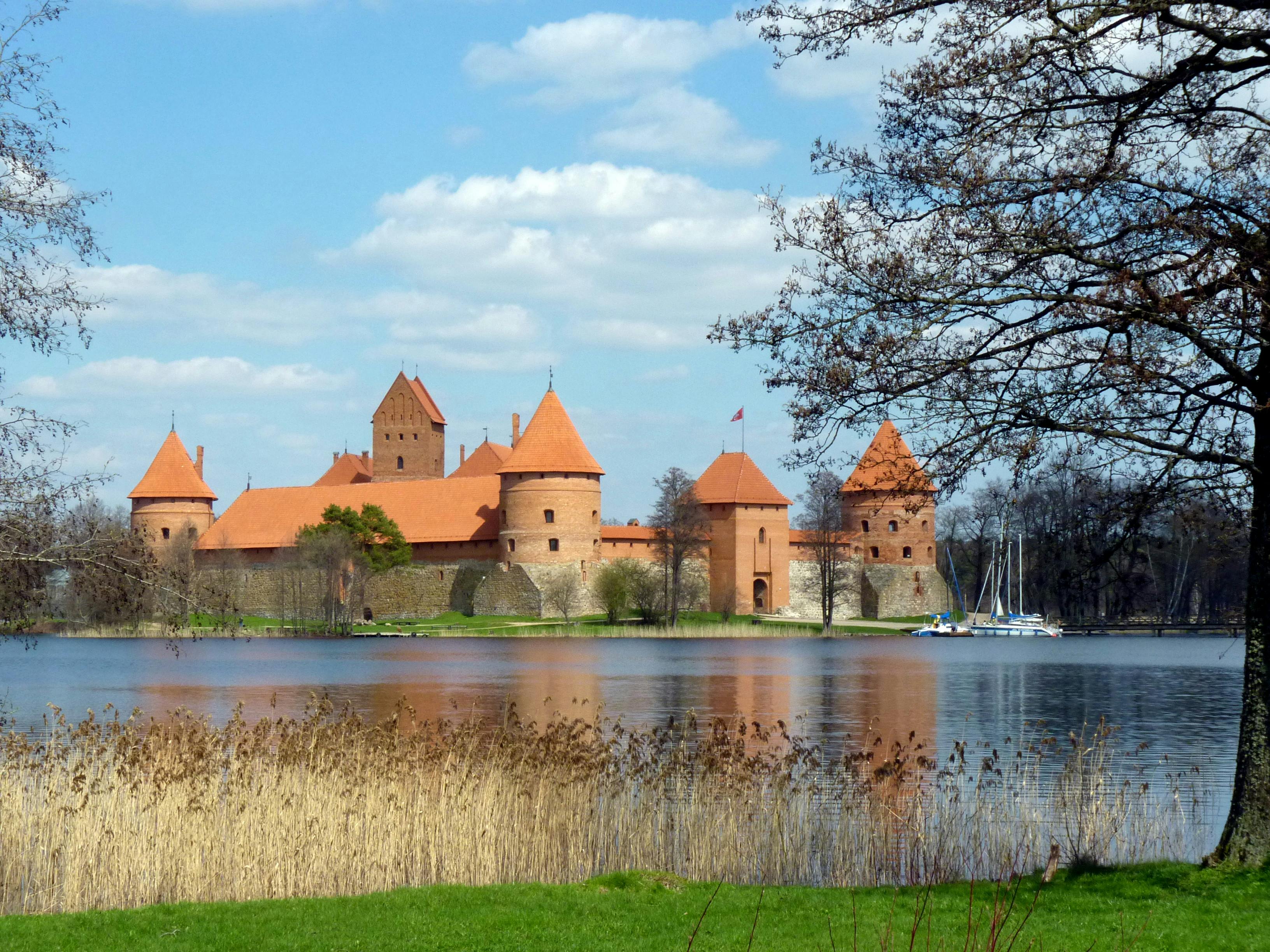
Malbork Castle: Where Medieval Power Meets Brick Mastery
Golden hour light spills across the Nogat River as you approach Malbork Castle—the world's largest brick castle spanning 143,591 square meters of medieval might, where the scent of aged mortar mingles with the earthy aroma of the surrounding riverbanks. The air carries the soft echo of footsteps on cobblestones worn smooth by seven centuries of history, the distant call of swallows nesting in Gothic arches, and the gentle lap of water against the castle's foundations. You hear the soft murmur of multilingual conversations as visitors from around the world marvel at the castle's 13th-century fortifications, where the Teutonic Knights once planned campaigns that would shape Central Europe. This isn't merely a castle—it's a living chronicle of medieval ambition, where 2.5 million bricks form an architectural symphony of defensive walls, Gothic chapels, and royal chambers that have witnessed crusades, coronations, and meticulous reconstruction after near-total destruction. Standing beneath its 60-meter-high High Castle, you connect with the same strategic vantage point that controlled trade routes between the Baltic Sea and inland Poland, where history breathes through every arrow slit and vaulted ceiling. This place matters because it represents humanity's capacity to create monumental structures with simple materials, transforming humble clay into enduring symbols of power that continue to inspire awe centuries after their creation.
Why Malbork Castle Embodies Medieval Mastery
Malbork Castle represents far more than architectural grandeur—it embodies one of history's most extraordinary feats of medieval engineering using the most humble of materials: brick. Constructed between 1274–1406 by the Teutonic Knights, this 143,591-square-meter fortress (equivalent to 20 football fields) stands as the largest brick castle complex in the world—a remarkable achievement considering the technological limitations of the era. The castle solved a fundamental strategic challenge: how to create an impregnable headquarters for the Teutonic Order while establishing political control over the Baltic region. Built on the banks of the Nogat River, the castle's three distinct sections—High Castle, Middle Castle, and Outer Castle—form a concentric defensive system measuring 570 meters in length and 220 meters in width, with walls reaching 12 meters in height and 2.5 meters in thickness. What makes Malbork unique is its material innovation: unlike Western European castles built from stone, Malbork demonstrates the extraordinary potential of brick construction, with artisans developing specialized techniques to create everything from structural elements to decorative details. The Chapel of the Blessed Virgin Mary in the High Castle, measuring 40 meters in length with 18-meter-high vaulted ceilings, showcases the pinnacle of Gothic brick architecture with its intricate tracery and stained glass windows. Unlike many medieval castles altered beyond recognition, Malbork has maintained its essential character through careful restoration—after sustaining 50% damage during World War II, Polish craftsmen painstakingly reconstructed the complex between 1945–1960 using original techniques and documentation. The castle's transformation from Teutonic headquarters to Polish royal residence after the Battle of Grunwald (1410) represents a remarkable historical pivot, where a symbol of foreign domination became integrated into Polish national identity—a testament to both the durability of its construction and the adaptability of its spaces across centuries of political change.
The Best Time to Experience Malbork Castle
To experience Malbork Castle at its most atmospheric, plan your visit between May 15–June 10 or September 15–October 10, when daytime temperatures range from 14–22°C (57–72°F) and the surrounding landscape blooms with spring blossoms or glows with autumn colors. During these windows, you'll enjoy comfortable conditions for exploring the castle's interior, photography, and walking the extensive grounds without summer's humidity or winter's biting cold. For optimal photography of the brick fortifications and river reflections, arrive at 7:30–9:00 AM when morning light strikes eastern facades, illuminating architectural details with soft, directional illumination while the Nogat River surface remains glassy calm. Alternatively, visit at 5:00–6:30 PM during golden hour when warm light transforms red brick into amber tones and creates dramatic shadows across the defensive walls. You should firmly avoid July 15–August 25 when temperatures can exceed 28°C (82°F), the castle becomes congested with tour groups, and harsh overhead light flattens the texture of historic brickwork. For event schedules, opening hours, and special exhibitions, visit malbork.pl.
Approximate Budget for a 7-Day Trip
Visiting Malbork Castle requires basing yourself in Malbork town or nearby Gdańsk with easy transportation access. The following budget assumes moderate travel style—comfortable boutique hotels, authentic Polish cuisine, and a mix of public transportation and occasional taxi rides. Prices are listed in Polish Złoty (PLN) with euro equivalents for international travelers (1 EUR ≈ 4.3 PLN in 2026).
- Accommodation: 90–220 PLN (21–51€) per night in Malbork or nearby towns. Budget pensions start at 45 PLN; mid-range boutique hotels run 220–420 PLN (51–98€).
- Food: 45–75 PLN (10–17€) per day total. Breakfast: 12–20 PLN for traditional śniadanie with jajecznica, local cheese, and fresh bread. Lunch: 18–30 PLN for pierogi or bigos at a milk bar like Pod Zamkiem. Dinner: 35–60 PLN for sit-down meals featuring Baltic fish, oscypek cheese, and craft beer.
- Transportation: Gdańsk-Malbork train: 15 PLN (3.50€) one-way; local bus: 3.40 PLN (0.80€); taxi from station: ~25 PLN (5.80€); Uber/Bolt available in Gdańsk.
- Attractions: Malbork Castle entry: 35 PLN (8.10€); Guided tour: 60 PLN (14€); Museum of the Teutonic Order: 25 PLN (5.80€); Audio guide: 20 PLN (4.70€).
- Miscellaneous: Baltic amber jewelry: 80–200 PLN (19–47€); medieval-themed souvenirs: 30–70 PLN (7–16€); folk music concert ticket: 40–100 PLN (9–23€).
Total 7-Day Budget: 2,200–3,400 PLN (510–790€) per person (excluding international flights)
7 Essential Malbork Castle Experiences
- Explore the High Castle at Opening Time: Arrive at 9:00 AM to experience the High Castle with minimal crowds as morning light illuminates the Gothic architecture. The 60-meter-high tower offers panoramic views of the entire complex and Nogat River. Visit mid-week (Tuesday–Thursday) for the quietest experience; entry 35 PLN; allow 90 minutes for the full experience.
- Marvel at the Chapel of the Blessed Virgin Mary: Stand beneath the 18-meter-high vaulted ceiling of this Gothic masterpiece featuring intricate brick tracery and original 14th-century stained glass. The chapel's acoustics enhance any musical performance, making it a favorite venue for medieval music concerts. Visit mid-morning (10:00 AM–12:00 PM) when natural light best illuminates the stained glass; included with castle entry; allow 30 minutes.
- Walk the Defensive Walls Circuit: Follow the 1.5-kilometer circuit along the castle's defensive walls for constantly changing perspectives of the complex. The elevated path offers views into courtyards, across the river, and toward the surrounding landscape that shaped medieval strategy. Best experienced mid-day (12:00–2:00 PM) when lighting illuminates wall details; included with castle entry; allow 75 minutes; wear comfortable shoes.
- Photograph the Castle from the Nogat River: Position yourself on the riverbank to capture the iconic view of the castle with the Nogat River in the foreground. The elevated vantage point offers perfect perspective for both wide-angle landscapes and detailed architectural close-ups. Visit during golden hour (5:00–6:30 PM) for optimal lighting; free; allow 30 minutes; tripod recommended.
- Visit the Museum of the Teutonic Order: Explore the dedicated museum space featuring artifacts, documents, and reconstructions of Teutonic Knight life. The interactive displays and restored artifacts create a deeper understanding of the castle's original purpose. Visit mid-week (Tuesday–Thursday) when guides provide detailed explanations; included with castle entry; allow 60 minutes.
- Taste Medieval-Inspired Cuisine: Sample dishes at restaurants like Zamkowa Karczma that recreate recipes from the Teutonic era using historical sources. The flavors connect you to centuries of culinary tradition in the castle's shadow. Best experienced during lunch (12:00–2:00 PM); budget 35–60 PLN per meal.
- Attend a Knight's Tournament Reenactment: Experience live demonstrations of medieval combat techniques, horsemanship, and weaponry that bring the castle's military history to life. The summer tournament series features authentic armor and historically accurate combat sequences. Events typically begin at 2:00 PM; tickets 50–120 PLN; book online to secure spots.
3 Hidden Gems Most Travelers Miss
- The Secret Tunnels Beneath the Castle: Tucked away in the castle's foundation, these narrow passageways were once used for emergency exits and supply routes. Most visitors miss them because access is limited to special heritage days. Access: Check malbork.pl for "Open Monument Days" (typically September); no advance booking required. Best visited midday; free; allow 25 minutes.
- The Medieval Herb Garden: Hidden behind the Middle Castle, this recreated garden features plants used for medicine, cooking, and dyeing in the Teutonic era. Often overlooked because it's situated away from main tourist routes. Access: Included with castle entry; visit mid-morning (10:00 AM–12:00 PM) when garden details are most visible. No additional fee; allow 20 minutes.
- The Brickmaker's Workshop: Located in the Outer Castle, this demonstration space shows traditional brick-making techniques used to construct the castle. Most tourists turn back at the main attractions, missing this educational experience. Access: Included with premium castle tour; best visited mid-week for solitude. Premium tour: 80 PLN; allow 45 minutes.
Cultural & Practical Tips
- Respect Historical Significance: Malbork represents centuries of complex history—speak thoughtfully about its Teutonic and Polish periods. Avoid making casual comparisons to other European castles without acknowledging its unique brick construction.
- Essential Polish Phrases: "Dzień dobry" (jen doh-brih) = Good day; "Dziękuję" (jen-koo-yeh) = Thank you; "Proszę" (proh-sheh) = Please/You're welcome; "Zamek Malbork" (zah-mek val-bork) = Malbork Castle. Locals appreciate respectful efforts.
- Castle Strategy: Purchase tickets online to skip queues, especially during peak season. Morning slots (9:00–11:00 AM) offer the clearest views and fewest crowds. Consider the premium tour for access to restricted areas.
- Photography Guidelines: Photography is permitted in most areas, but flash is prohibited to protect historic artwork. Tripods require advance permission (contact: info@malbork.pl).
- Weather Preparedness: Malbork experiences temperate climate: summer highs reach 23°C (73°F); winter lows drop to -5°C (23°F). The castle's stone interiors remain cool year-round; carry a light layer even in summer.
- Accessibility Notes: Malbork Castle has limited accessibility due to historic stone pathways and stairs. Request assistance at the ticket office for alternative viewing options; some areas may not be accessible.
- Combine with Nearby Sites: Enhance your Malbork visit with nearby attractions: Gdańsk Old Town (30 minutes by train), Stutthof Concentration Camp Memorial (25 minutes), and the Vistula River boulevards (adjacent). A regional perspective enriches understanding of the area's historical layers.
Conclusion: Travel with Understanding, Not Just Observation
Malbork Castle invites you to do more than photograph imposing brick fortifications against river landscapes. This is a place to stand where medieval ambition shaped regional destiny, where humble clay was transformed into enduring symbols of power, where the quiet persistence of historical memory triumphs over destruction and political change. When you walk the same corridors trodden by Teutonic Knights and Polish royalty, when you gaze upon vaulted ceilings that have witnessed centuries of conflict and reconciliation, when you experience the strategic brilliance embedded in every defensive feature, you participate in a legacy that transcends tourism. Travel to Malbork with reverence for the craftsmen who created this brick masterpiece, for the preservationists who maintained it through turbulent times, for the community that cherishes this space as their own. Respect the fragility of historical continuity—every footprint off-trail, every careless touch on ancient brickwork, disrupts a balance measured in centuries rather than moments. Understand that the awe-inspiring atmosphere you cherish depends on the mindfulness of every visitor who comes after you. Let the castle's harmonious design humble your understanding, let its layered history deepen your compassion, and let the convergence of military strategy and artistic achievement remind you that the most profound journeys are those that transform observation into meaningful connection with humanity's enduring capacity to create, destroy, and rebuild.