
Manavgat Waterfall: Where Cascading Waters Meet Anatolian Green
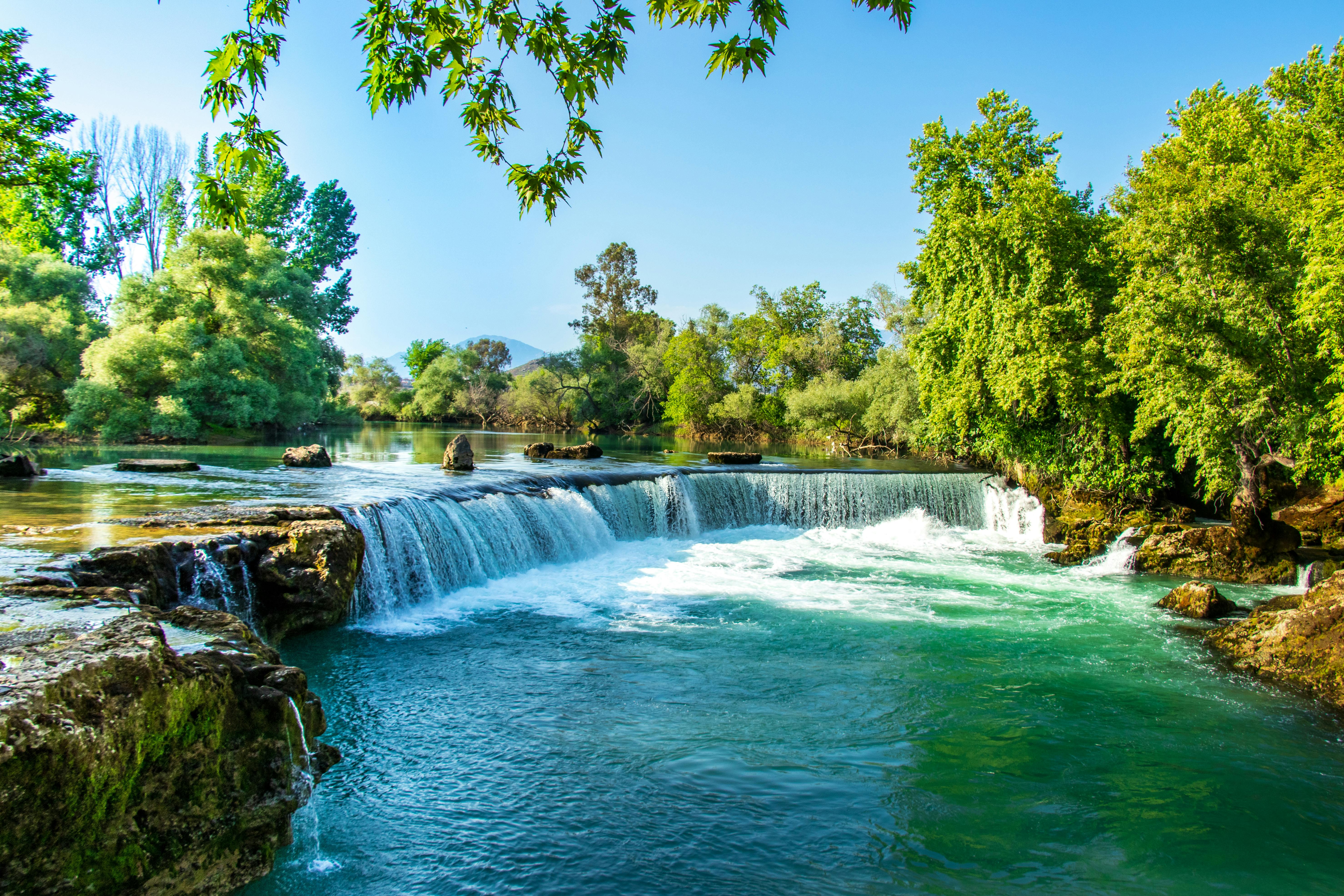
First light filters through plane trees as you approach Manavgat Waterfall—a gentle cascade where the river born from Taurus Mountain springs tumbles over limestone ledges into emerald pools below. The air carries the scent of wild mint and damp stone, while the rhythmic rush of water creates a soothing lullaby that has echoed through this valley for millennia. You stand before a waterfall approximately two to three meters high yet spanning nearly forty meters wide, where the Manavgat River—flowing ninety kilometers from its karst origins to the Mediterranean—creates nature's most accessible spectacle. Sunlight dances on mist rising from the cascade, casting fleeting rainbows across moss-covered rocks and lush vegetation that includes plane trees, oleander, and endemic Anatolian flora. This place matters because it offers one of Turkey's most welcoming encounters with natural beauty—a waterfall where you can feel cool mist on your skin, hear water's eternal song without crowds overwhelming the experience, and witness how freshwater from mountain springs journeys to meet the sea, reminding us that nature's simplest wonders often create the most profound connections between earth, water, and the human spirit.
Why Manavgat Waterfall Embodies Accessible Natural Wonder
Manavgat Waterfall represents one of Turkey's most visitor-friendly natural landmarks, solving the modern traveler's desire to experience wilderness beauty without demanding extreme exertion or remote travel. The waterfall forms where the Manavgat River—fed by karst springs in the Taurus Mountains approximately forty kilometers northeast of Side—encounters a natural limestone ledge that creates a gentle cascade approximately two to three meters high yet spanning nearly forty meters across. Unlike dramatic plunging waterfalls, Manavgat's broad, tiered flow creates an intimate experience where visitors can approach within meters of falling water while remaining on safe, accessible pathways.
The hydrology behind Manavgat reveals fascinating geological processes: the river's flow averages fifteen to twenty cubic meters per second, though seasonal variations from spring snowmelt can increase this volume by fifty percent. Water temperatures remain remarkably consistent year-round: 14–16°C (57–61°F) in winter, rising to 18–20°C (64–68°F) in summer, fed by underground aquifers that buffer surface temperature fluctuations. The limestone formations surrounding the cascade have been sculpted by millennia of water erosion, creating natural pools where visitors can wade and cool off while surrounded by lush riparian vegetation including plane trees that provide natural shade.
Beyond recreation, Manavgat Waterfall fulfills vital ecological functions: the river corridor serves as a migration route for birds including kingfishers and herons, while the freshwater ecosystem supports diverse aquatic life including trout and freshwater crabs. The Turkish Ministry of Environment designated the surrounding area as a protected natural site in 1985, implementing conservation measures that preserve water quality and prevent uncontrolled development. Scientific monitoring by Akdeniz University's Environmental Engineering Department has documented flow patterns and ecological health, ensuring that Manavgat Waterfall remains pristine for both human visitors and the ecosystems that depend on this freshwater source. The site attracts over five hundred thousand visitors annually while maintaining environmental standards through controlled access, waste management systems, and educational programs connecting visitors to the watershed's natural significance.
The Best Time to Experience Manavgat Waterfall
Timing your visit to Manavgat Waterfall dramatically affects water volume, lighting, and overall experience quality. The optimal window stretches from April 18–May 30 and September 12–October 20, when air temperatures range between 20–28°C (68–82°F) and spring snowmelt or autumn rains ensure robust water flow. During these shoulder seasons, wildflowers bloom along riverbanks, photographic lighting is spectacular, and visitor numbers stay manageable at approximately four hundred to seven hundred daily rather than the fifteen hundred to two thousand seen in peak summer. Arrive at the waterfall between 8:30–10:00 AM when morning light illuminates the cascade beautifully and mist creates magical atmospheric effects without harsh midday glare.
Avoid July 15 through August 25 absolutely: temperatures soar to 34–41°C (93–106°F), crowds reach maximum capacity creating lengthy waits for pathways and photo opportunities, and reduced rainfall can diminish waterfall volume. Midday visits between 12:00–4:00 PM during peak season prove uncomfortable—the intense sun creates glare on water surfaces, and finding shade along viewing paths becomes difficult despite the park's plane trees. Winter months (November through March) bring cooler air temperatures of 10–16°C (50–61°F) and occasional heavy rains that can increase flow dramatically; while the waterfall becomes especially powerful, pathways can become slippery and some facilities operate on reduced hours.
The waterfall operates daily with seasonal hour adjustments. Note that admission typically costs €3–€5, and the site can be explored thoroughly in one to two hours, making it ideal to combine with nearby Side archaeological sites or boat tours along the Manavgat River.
Approximate Budget for a 7-Day Trip
Exploring Manavgat Waterfall and the surrounding Antalya region offers exceptional value for nature enthusiasts and cultural travelers. This budget assumes moderate comfort—mid-range accommodation with sea or garden views, fresh Turkish and Mediterranean cuisine, local transportation, waterfall access fees, and selective guided experiences. Prices reflect 2026 rates for travelers seeking authentic natural experiences without luxury resort pricing.
- Accommodation: €38–€72 per night in Side or Manavgat town center (boutique hotels with pool and traditional breakfast; budget pensions from €20, upscale riverside resorts from €115)
- Food: €22–€36 per day (breakfast €4—Turkish kahvaltı spread with cheeses, olives, tomatoes, honey, börek; lunch €7–€10—gözleme, grilled fish sandwich, or meze platter at riverside cafes; dinner €11–€22—fresh river trout, lamb tandır, or vegetarian options with local wine)
- Transportation: €56 total (Antalya Airport to Side via shuttle: €8 each way; local dolmuş to Manavgat Waterfall: €2 per ride; taxi from Side: €10; bicycle rental: €7/day; optional car rental for exploring: €28/day)
- Attractions: €76 total (Manavgat Waterfall entrance: €5; Side Temple of Apollo: €10; Side Ancient Theatre: included; boat tour on Manavgat River: €15; Perge ancient city: €10; guided nature walk: €12)
- Miscellaneous: €40 (waterproof phone case €8, Turkish evil eye charm €6, local honey and herbs €11, reef-safe sunscreen €7, travel insurance prorated €8)
Total: €420–€590 for 7 days (excluding international flights to Antalya)
7 Essential Manavgat Waterfall Experiences
- Walk the riverside pathway at sunrise: Arrive by 8:00 AM to experience Manavgat Waterfall in its most tranquil state—before crowds arrive and morning mist creates ethereal conditions. The pathway follows the riverbank for approximately two hundred meters, offering multiple vantage points of the cascade. Walk barefoot where the path meets shallow water, feeling the cool river flow over smooth stones. This experience lasts as long as you desire; many visitors spend an hour simply absorbing the waterfall's peaceful atmosphere and photographing mist catching morning light.
- Wade in the natural pools: Near the waterfall's base, shallow emerald pools invite visitors to cool off in water temperatures of 18–20°C (64–68°F) during summer months. Enter from designated areas where the riverbed is smooth and safe, avoiding deeper channels with stronger currents. The pools are perfect for families and non-swimmers, with depths ranging from ankle to waist level. Visit between 10:00 AM–12:00 PM when sunlight penetrates the water, revealing the riverbed's colorful stones and occasional freshwater fish.
- Photograph mist and rainbows: Position yourself on the eastern viewing platform to capture the interplay of water, light, and mist. The best conditions for rainbows occur between 9:00–11:00 AM when sunlight angles create optimal refraction through spray. Bring a polarizing filter to reduce glare on water surfaces and a fast shutter speed to freeze droplets in motion. This iconic imagery has defined Manavgat for photographers since the first cameras reached these cascades.
- Enjoy a riverside picnic: After exploring the waterfall, relax on the grassy terraces beneath plane trees with a picnic of local cheeses, bread, and fresh fruit. The park's landscaped areas feature shaded seating, fountains, and native plants perfect for unwinding. Visit between 12:00–2:00 PM when the park's atmosphere is most relaxed and families gather for afternoon leisure. This simple ritual—costing approximately €7 for market-bought provisions—connects you to local culture and provides a peaceful pause in your day.
- Take a boat tour on the Manavgat River: Depart from the dock near the waterfall for a thirty-minute cruise upstream, revealing the river's journey through lush valleys and rocky gorges. The boat passes smaller cascades, natural swimming holes, and opportunities to spot kingfishers and herons along the banks. Your captain will explain the river's ecology while you relax on deck with Turkish tea. This perspective reveals the watershed's beauty beyond the main waterfall and offers a unique way to experience the Manavgat ecosystem.
- Explore the botanical garden section: Adjacent to the main waterfall area, a small botanical garden showcases endemic Anatolian flora including Taurus fir, mountain orchids, and medicinal herbs used in traditional Turkish remedies. Follow the marked path for fifteen minutes to observe labeled specimens and learn about the region's botanical diversity. Visit between 3:00–5:00 PM when afternoon light enhances plant colors and fewer visitors are present. This hidden corner offers educational value and tranquil beauty often overlooked by waterfall-focused tourists.
- Attend sunset reflection by the cascade: Return to the waterfall thirty minutes before sunset to watch how changing light transforms the scene: golden hour bathes the cascade in amber, then twilight shadows reclaim the rocks while the river reflects fading colors. This meditative experience invites contemplation of nature's cycles and the enduring power of water shaping stone. Bring a light jacket—riverside breezes can feel cool after sunset.
3 Hidden Gems Most Travelers Miss
- The upstream swimming holes: Approximately three hundred meters upstream from the main waterfall, a series of natural pools formed by limestone ledges offer secluded swimming opportunities rarely accessed by tourists. Most visitors never discover these spots because signage is minimal and access requires asking park staff for "yüzme alanı" (swimming area) directions. The pools feature crystal-clear water, smooth stone bottoms, and natural shade from overhanging plane trees. Visit between 2:00–4:00 PM when water temperatures are most comfortable and fewer day-trippers are present. Bring water shoes for rocky entries and never swim alone—inform staff of your plans.
- The birdwatching hide at river bend: Where the Manavgat River curves east of the main waterfall, a discreet observation platform offers exceptional birdwatching opportunities rarely included in standard tours. This spot remains overlooked because signage is minimal and access requires a short walk from the main pathway. Ask park staff for "kuş gözlem noktası" (bird observation point) directions. Visit between 6:00–8:00 AM when bird activity peaks and morning light creates ideal photography conditions. Bring binoculars and maintain quiet observation to avoid disturbing nesting species including kingfishers, herons, and occasionally white-throated dippers.
- The ancient water mill ruins: Approximately five hundred meters downstream from the main waterfall, partially overgrown stone foundations mark an Ottoman-era water mill that once harnessed the river's power. Most tourists overlook this site because it lacks prominent signage and requires asking locals for "değirmen kalıntıları" (mill ruins) directions. The ruins feature stone channels and grinding stones that reveal historical water management techniques. Visit during mid-afternoon when angled light illuminates carved details on surviving stonework. This hidden corner offers tangible connections to the communities that depended on Manavgat's flow centuries before tourism.
Cultural & Practical Tips
- Respect natural preservation: Manavgat Waterfall is protected under Turkish environmental law. Never climb on wet rocks near cascades, disturb nesting birds, or remove plants—slippery surfaces pose serious safety risks and violations carry fines up to ₺1,500 (approximately €45). Stay behind barriers and respect roped-off conservation areas.
- Wear appropriate footwear: Pathways around the waterfall feature wet stone, uneven surfaces, and occasional mud. Sturdy walking shoes or water sandals with grip are essential; avoid flip-flops or smooth-soled shoes. The terrain includes elevation changes as you navigate between viewing platforms and river access points.
- Prepare for mist and spray: The waterfall generates significant mist that can dampen clothing and electronics. Bring a light waterproof layer or poncho, and use waterproof cases for phones and cameras. Even on warm days, prolonged exposure to spray can feel chilly.
- Learn essential Turkish phrases: "Merhaba" (mehr-hah-bah—hello), "Teşekkür ederim" (teh-shek-kür eh-deh-rim—thank you), "Şelale nerede?" (sheh-lah-leh neh-reh-deh—where is the waterfall?), "Su nerede?" (soo neh-reh-deh—where is the water?), and "İyi günler" (iy-ee gün-ler—good day). Even basic efforts earn warm responses from park staff and local vendors.
- Photography guidelines: General photography is permitted throughout Manavgat Waterfall. Tripods require permission from site staff for commercial use. When photographing other visitors, especially Turkish families, always ask "Fotoğraf çekebilir miyim?" (foh-toh-raf cheh-keh-bee-leer mee-yim—may I take a photo?). Avoid using flash near water surfaces where it can disturb wildlife.
- Plan for seasonal water conditions: Spring (April–May) offers robust flow from snowmelt, wildflower blooms, and comfortable temperatures but occasional rain showers. Summer (June–August) provides reliable access but reduced flow and maximum crowds. Autumn (September–October) features balanced conditions with fewer visitors. Winter months see dramatic flow increases but potential pathway closures due to weather.
- Combine with nearby attractions: Manavgat Waterfall sits within easy reach of Side archaeological sites (15 minutes), Aspendos Theater (30 minutes), and Antalya's old harbor (45 minutes). Purchase combined tickets where available to maximize value. This allows you to experience natural and cultural heritage in one trip while optimizing travel time and costs.
Conclusion: Travel with Wonder, Not Just Checklists
Manavgat Waterfall doesn't yield its deepest magic to hurried visitors ticking boxes on an itinerary. It rewards those who pause to feel mist on their skin, who listen for the river's eternal song beneath the rush of falling water, who understand that this cascade represents nature's patient artistry requiring our respect and care. When you stand where mountain springs meet limestone ledges, where plane trees provide shade for generations of travelers, and where rainbows appear and vanish in spray, you're participating in an experience that transcends ordinary tourism.
Responsible travel here means honoring Manavgat's fragile ecosystem—staying on marked paths to protect riverbank vegetation, supporting local guides who share watershed knowledge, leaving no trace beyond footprints that tide will erase, and recognizing that your presence is a privilege granted by nature's generosity. This waterfall has shaped landscape and culture for millennia—a balance worth preserving through mindful choices. Come not just to capture the perfect photograph, but to understand that wonder isn't consumed—it's cultivated, one respectful step, one moment of pure presence, one connection to Earth's enduring stories at a time.