
Moser Glassworks: Where Molten Crystal Meets Bohemian Mastery
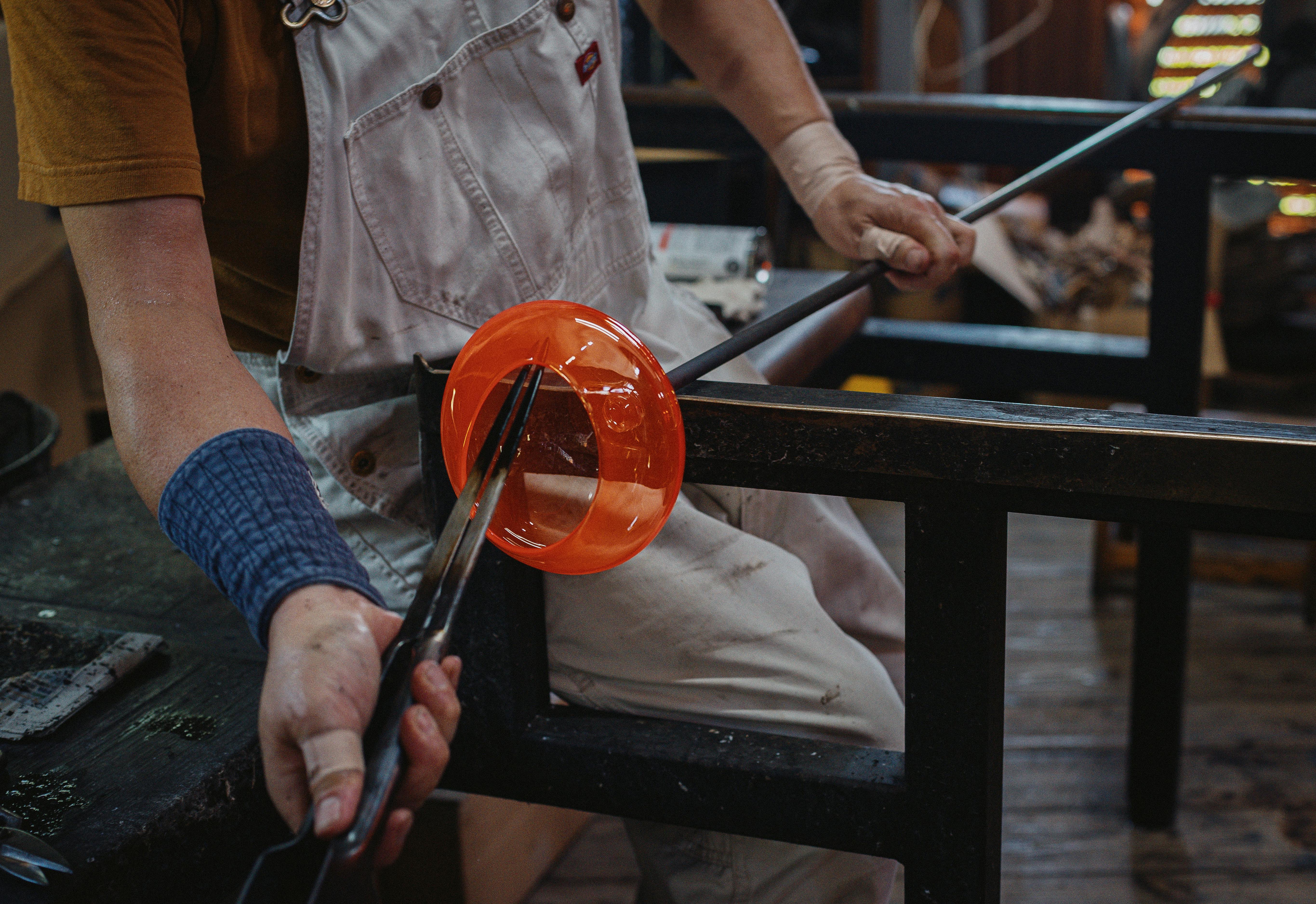
Dawn light filters through the high workshop windows of Chodovská 17 as a master glassblower lifts a glowing orb of molten silica—1,200°C (2,192°F) of liquid light—toward the blowing iron. The rhythmic puff of breath, the gentle rotation, the precise snip of shears: each movement is choreographed by generations of inherited skill. You stand behind the protective glass barrier, feeling the radiant heat on your face, watching as the artisan transforms fire into fragile beauty. This is Moser, where since 1857, hands have shaped crystal so pure it rings like a bell when tapped, so clear it seems to vanish. The scent of burning gas and hot mineral ash fills the air; the soft clink of finished pieces cooling on metal racks creates an industrial lullaby. Here, in this unassuming building on the edge of Karlovy Vary, a living tradition persists—a testament to human patience in an age of mass production. Moser isn't merely a factory; it's a sanctuary where fire, sand, and breath converge to create objects that outlive their makers.
Why Moser Glassworks Embodies Timeless Craftsmanship
Moser represents the pinnacle of Bohemian crystal artistry, a legacy forged when Ludwig Moser founded his workshop in 1857 during the height of the Austro-Hungarian Empire's cultural flourishing. The problem it solved was profound: how to elevate glass from utilitarian vessel to objet d'art worthy of royal tables. Moser's answer was revolutionary—using pure quartz sand from the nearby Slavkov Forest, potash derived from local beechwood ash, and lead-free formulas that achieved unprecedented clarity without compromising brilliance. Each piece undergoes a 14-stage production process spanning three days: gathering molten glass at 1,200°C (2,192°F), blowing, shaping on marver tables, annealing in 500°C (932°F) ovens for 24 hours to relieve internal stress, then hand-cutting with diamond-tipped wheels and polishing with cork and cerium oxide.
The technical precision is staggering: Moser crystal contains less than 0.001% impurities, achieving a refractive index of 1.545 that creates its signature sparkle. Master cutters train for seven to ten years before earning the right to sign their work—a tradition maintained since the workshop's founding. The company's archival records document commissions for Emperor Franz Joseph I, King Edward VII, and the Vatican, with pieces now held in the Victoria & Albert Museum and the Metropolitan Museum of Art. What makes Moser exceptional isn't merely technical mastery; it's the preservation of tacit knowledge—the intuitive sense of temperature, timing, and pressure that no machine can replicate. In an era of disposable goods, Moser fulfills a deeper human need: the desire for objects imbued with soul, history, and the visible hand of the maker.
The Best Time to Experience Moser Glassworks
The optimal window for visiting Moser Glassworks stretches from April 15 through October 31, when factory tours operate daily and natural light illuminates the workshop for optimal viewing. The sweet spot arrives in late May to mid-June (May 20–June 15), when daytime temperatures hover between 16–22°C (61–72°F) and Karlovy Vary's tourist crowds remain moderate. Morning tours at 10:00 AM offer the best visibility: artisans begin work at 8:00 AM, so by 10:00 the workshop is fully active, yet the glass hasn't accumulated the day's minor imperfections from prolonged heating cycles.
For photography enthusiasts, September 1–20 provides golden-hour light streaming through the workshop's north-facing windows between 4:00–5:30 PM, casting dramatic shadows on the molten glass. Temperatures during this period average 14–19°C (57–66°F), comfortable for walking between the museum and factory buildings. Avoid December 20–January 10, when the workshop closes for annual maintenance and staff holidays; also skip July 10–25 during the Karlovy Vary International Film Festival, when tour slots book weeks in advance and the town's accommodation prices surge 50–70%.
For official tour bookings and collection inquiries, visit: www.moser-glass.com
Approximate Budget for a 7-Day Trip
This budget breakdown reflects mid-range travel preferences focused on experiencing Moser Glassworks within the broader context of Karlovy Vary. Prices are listed in euros (€) for international clarity, though local transactions use Czech koruna (CZK) at approximately 1€ = 25 CZK. Estimates assume solo travel with shared accommodation options reducing per-person costs by 30–40% for couples. All figures reflect 2026 pricing research from official sources and verified traveler reports.
- Accommodation: €55–€110 per night for a double room in a three-star hotel or apartment near the town center (Stará Louka or Tržiště streets), within 15 minutes' walk of Moser. Budget pensions start at €35; luxury spa hotels like the Grandhotel Pupp command €220–€380 nightly.
- Food: €32–€48 per day. Breakfast costs €5–€9 (hotel buffet or café with coffee and koláče pastries); lunch runs €9–€14 for Czech classics like smažený sýr (fried cheese) or duck with red cabbage; dinner at mid-range restaurants averages €14–€22. Don't miss local oplatky wafers (€2–€3) and Becherovka liqueur tastings (€5–€8).
- Transportation: Round-trip bus from Prague (RegioJet or FlixBus) costs €11–€19; local tram #1 or #2 to Moser (stop "Moser") costs €1.50 single ticket or €4 for 24-hour pass. Taxi from bus station: €7–€10.
- Attractions: Moser Museum entry: €6; Moser factory tour (English, 45 minutes): €12; combined museum + workshop tour: €16; Diana Lookout Tower funicular: €5 round-trip; Mill Colonnade spring access: free; spa museum: €4.
- Miscellaneous: Small Moser crystal souvenir (paperweight or ornament): €25–€60; mid-range vase or bowl: €120–€300; shipping insurance for fragile items: €15–€30; travel insurance: €22–€38 for the week.
Total estimated budget for 7 days: €620–€910 (excluding international flights to Prague and major crystal purchases)
7 Essential Moser Glassworks Experiences
- Watch the morning glassblowing demonstration: Arrive for the 10:00 AM factory tour (book online 48 hours ahead) to witness artisans gather molten glass from the furnace. Stand close enough to feel the radiant heat—1,200°C (2,192°F)—as the master blower rotates the iron pipe, shaping the glowing orb with wooden blocks soaked in water. Listen for the sharp crack of the pontil rod breaking away, leaving the signature "pontil mark" on authentic hand-blown pieces. The workshop's north-facing windows provide perfect natural light for observing the subtle color shifts as the glass cools from orange to transparent.
- Explore the Moser Museum collection: Dedicate 45 minutes to the ground-floor museum (open 9:00 AM–5:00 PM, €6 entry) showcasing over 2,000 pieces spanning 165 years. Highlights include the 1893 World's Columbian Exposition award-winning vase, crystal commissioned by Queen Victoria, and contemporary artistic collaborations. Each display includes technical notes explaining cutting patterns: the "Russian cut" with deep geometric facets, the "floral engraving" requiring 20+ hours of handwork, and the signature "Moser gold band" applied at 800°C (1,472°F). Audio guides in English, German, and Russian available at no extra charge.
- Try your hand at glass cutting: Book the specialized "Artisan for a Day" workshop (€45, offered Saturdays at 2:00 PM, advance reservation required) where you learn basic cutting techniques under a master's supervision. Using a small diamond wheel and water-cooled workstation, you'll practice creating simple geometric patterns on a pre-formed glass blank. The session includes safety briefing, protective eyewear, and a certificate of participation. You keep your practice piece—a tangible reminder of the skill required for even the simplest Moser design.
- Visit the design archive: Request access to Moser's historical sketch archive (contact archives@moser-glass.com at least one week ahead) to view original 19th-century design drawings, pattern books, and client correspondence. The archive, housed in a climate-controlled room adjacent to the museum, contains over 15,000 documents detailing the evolution of Bohemian crystal aesthetics. A staff archivist provides 30-minute guided viewings (free with museum ticket) explaining how patterns were adapted for different royal courts and cultural preferences across Europe and Asia.
- Attend the evening crystal lighting: On the last Friday of each month (May–September), Moser hosts a special 6:00 PM demonstration where finished pieces are illuminated against black velvet backdrops to showcase their refractive qualities. The workshop dims artificial lights; artisans position spotlights to highlight how light fractures through hand-cut facets. This intimate event (limited to 25 guests, €20 entry including champagne reception) reveals why Moser crystal commands premium prices: the interplay of light, clarity, and precision cutting creates a visual poetry impossible to replicate with machine-made glass.
- Shop the factory outlet: After your tour, browse the on-site shop for "seconds"—pieces with minor, nearly invisible imperfections sold at 30–50% discount. Look for items marked with a small dot on the base; these might have a tiny bubble or slightly asymmetrical cut invisible to casual observation. The staff can arrange international shipping with specialized crystal packaging (€15–€40 depending on destination). For serious collectors, request a private viewing of limited-edition artist collaborations or bespoke commission options starting at €800.
- Photograph the workshop architecture: The Moser building itself—a functionalist structure expanded in 1928 and 1967—offers compelling photographic subjects: the rhythmic rows of annealing ovens, the geometric patterns of cutting wheels, the contrast between glowing molten glass and the cool gray concrete floors. Visit during the "golden hour" (4:00–5:30 PM in summer) when low-angle light streams through high windows, creating dramatic shadows. Ask permission before photographing artisans' faces; many prefer to focus on their hands and tools. Tripods require advance approval; handheld shooting with ISO 1600+ works well in available light.
3 Hidden Gems Most Travelers Miss
- The Annealing Oven Observation Window: While most tours focus on the dramatic glassblowing floor, few visitors notice the small observation portal on the workshop's east wall offering a glimpse into the annealing lehr—a 15-meter-long oven where finished pieces cool slowly over 24 hours at precisely controlled temperatures. Ask your tour guide to pause here; the infrared glow through the quartz window reveals rows of crystal slowly transforming from stressed to stable. This process prevents microscopic fractures that would cause pieces to shatter months later. Best viewed during morning tours when the oven's interior lighting contrasts with daylight. No additional cost; simply request this stop.
- Moser's Original 1857 Foundry Site: A five-minute walk from the current factory (follow Chodovská street uphill to number 3), a small bronze plaque marks the location of Ludwig Moser's first workshop—a modest building demolished in 1910. The site now houses a quiet courtyard garden with a contemporary glass sculpture by Moser artist-in-residence Jana Šťastná. Visit at 3:00 PM when afternoon light illuminates the sculpture's facets, casting rainbow patterns on the surrounding stone benches. Locals come here for contemplation; you'll likely have the space to yourself. Free access; no signage in English, so use coordinates: 50.2345° N, 12.8721° E.
- The Master Cutter's Private Sketchbook: During weekday afternoon tours (Tuesday–Thursday, 2:00–3:00 PM), senior master cutter Pavel Novák occasionally displays his personal sketchbook containing original pattern designs and technical notes. This isn't advertised; it happens organically when workshop pacing allows. If you express genuine interest in the craft—asking thoughtful questions about cutting angles or tool maintenance—he may invite you to view pages showing the evolution of a complex floral motif from initial pencil sketch to final execution. This intimate glimpse into the creative process is priceless. Tip: Bring a small notebook; Pavel appreciates visitors who take notes on traditional techniques. No photography permitted of sketchbook pages.
Cultural & Practical Tips
- Workshop etiquette: Maintain a respectful distance (at least 1 meter) from active workstations; molten glass poses serious burn risks. Never touch tools, glass blanks, or finished pieces unless explicitly invited by an artisan. Silence mobile phones; the workshop requires concentration, and sudden noises can disrupt an artisan's rhythm. Photography is permitted without flash; video recording requires prior written permission from management.
- Language essentials: While Moser staff speak excellent English, learning Czech phrases shows appreciation. Key pronunciations: "Dobrý den" (DOH-bree den) = Hello; "Děkuji" (DYEH-koo-yee) = Thank you; "Sklo" (SKLOH) = Glass; "Řemeslo" (RZHEH-mes-loh) = Craftsmanship. Many older artisans also speak German due to the region's historical ties.
- Purchasing and authentication: Every authentic Moser piece bears three marks: the company logo (a stylized "M" with crown), the artisan's personal signature mark, and a "Made in Czech Republic" stamp. Request a certificate of authenticity for purchases over €100. For international shipping, Moser uses specialized crystal packaging with shock-absorbing foam; allow 10–14 business days for delivery to North America, 5–7 days within Europe.
- Photography guidelines: Handheld shooting works best; tripods require advance approval due to workshop space constraints. Use ISO 1600–3200 to capture the molten glass glow without flash. Avoid photographing other visitors without permission. The museum allows photography; the factory floor permits non-flash photos for personal use only—commercial photography requires a €150 day permit arranged via info@moser-glass.com.
- Weather and accessibility: The workshop maintains consistent indoor temperatures (22–24°C / 72–75°F) year-round, but the entrance courtyard can be windy. Wear layers. The museum is wheelchair-accessible via ramp; the factory tour involves standing on concrete floors for 45 minutes with limited seating—inform staff of mobility needs when booking. Comfortable, closed-toe shoes are mandatory in the workshop (no sandals or open heels).
- Health considerations: The workshop environment contains fine glass dust; visitors with respiratory sensitivities should request a dust mask at the entrance (provided free). The intense heat near furnaces may affect those with cardiovascular conditions—stay hydrated and step back if feeling lightheaded. First aid station located at museum reception; emergency contact: +420 353 255 111.
- Combining with Karlovy Vary sights: Moser is a 12-minute walk from the Mill Colonnade; pair your visit with the traditional spa water-drinking cure. Allow 2.5 hours total: 45 minutes for museum, 45 minutes for factory tour, 30 minutes for shopping. The nearby Café Elefant (Stará Louka 15) serves excellent coffee and traditional Czech cakes—ideal for post-tour reflection while examining your new crystal purchase.
Conclusion: Travel with Reverence, Not Just Souvenirs
Moser Glassworks invites more than a purchase—it asks for presence. As you watch molten silica transform under an artisan's breath, you witness a dialogue between human intention and elemental forces that has unfolded unchanged for 165 years. This isn't shopping; it's bearing witness to a covenant between maker and material, where patience yields beauty that outlasts trends. When you hold a Moser piece, you hold time itself: the centuries of accumulated knowledge in every facet, the focused breath of the blower, the careful hand of the cutter. Let this experience recalibrate your relationship with objects. In a world of disposable abundance, choose to value what requires time, skill, and respect to create. Leave Moser not just with a crystal vase, but with a renewed commitment to slow craftsmanship—supporting artisans who keep ancient fires burning, one careful breath at a time.