
Patara Beach: Where Golden Sands Meet Ancient Lycian Echoes
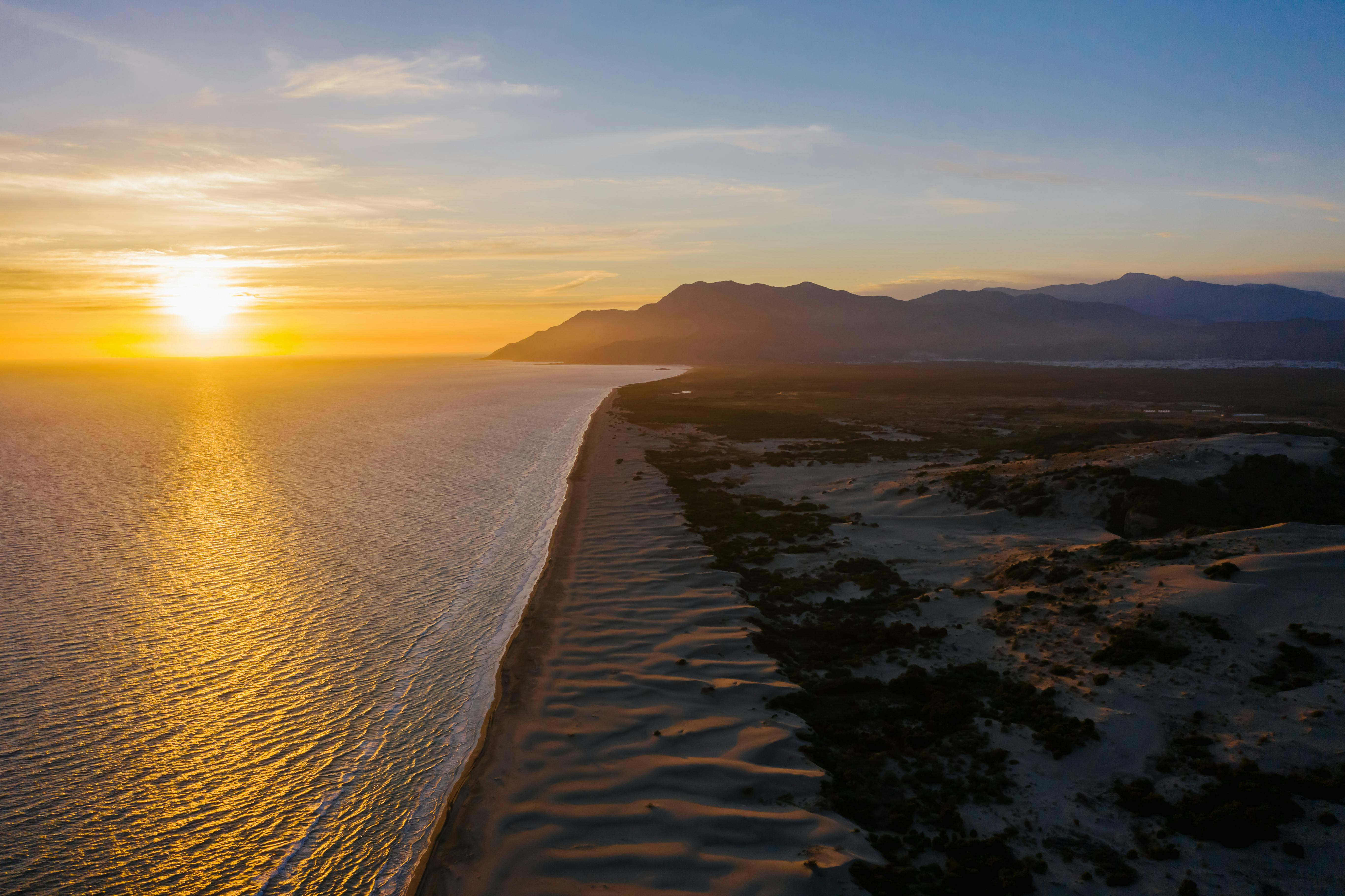
First light spills across eighteen kilometers of untouched shoreline as you walk barefoot on sand so fine it feels like powdered gold beneath your feet. You've arrived at Patara Beach—Turkey's longest continuous beach, where the Mediterranean creates nature's most pristine canvas stretching from the Xanthos River delta to the foothills of ancient Lycia. The air carries the scent of wild thyme and salt spray, while the gentle rhythm of waves creates a lullaby as old as time itself. In the distance, the ruins of Patara's ancient harbor rise from golden hills, silent witnesses to a civilization that once thrived where you now stand. This place matters because it represents one of the Mediterranean's last truly wild beaches—a protected sanctuary where loggerhead sea turtles still nest undisturbed, where sand dunes roll like frozen waves toward pine forests, and where you can experience the profound peace of a coastline unchanged since Saint Nicholas walked these shores over seventeen centuries ago.
Why Patara Beach Embodies Untouched Mediterranean Paradise
Patara Beach represents one of Turkey's most extraordinary coastal landscapes, solving the modern traveler's quest for authentic wilderness experiences within accessible reach of cultural heritage sites. Designated as a Special Environmental Protection Area in 1988 and a nesting sanctuary for endangered loggerhead sea turtles (Caretta caretta) since 1990, this beach functions as both a recreational paradise and a critical ecological corridor. The shoreline spans approximately eighteen kilometers with widths varying from fifty to two hundred meters, backed by dynamic sand dune systems that reach heights of fifteen meters and support unique flora including sea daffodils and prickly juniper.
The beach's geological formation stems from sediment deposited by the Xanthos River over millennia, creating the distinctive golden sand composed of fine quartz and shell fragments that give Patara its luminous quality. Water temperatures remain remarkably comfortable year-round: averaging 19–21°C (66–70°F) in May, rising to 25–27°C (77–81°F) in August, then gradually cooling to 20–22°C (68–72°F) in October. This thermal consistency, combined with gentle slopes that keep depths under one meter for fifty meters offshore, makes Patara ideal for families and swimmers of all abilities.
Beyond recreation, Patara fulfills vital conservation functions: it serves as one of the Mediterranean's most important nesting sites for loggerhead turtles, with approximately two hundred to three hundred nests laid annually between June and September. The Turkish Ministry of Environment and Forestry implemented strict protections in 2003 prohibiting construction within five hundred meters of the shoreline, banning nighttime beach access during nesting season, and requiring all beach facilities to use turtle-safe lighting. Scientific monitoring by DEKAMER (Sea Turtles Research, Rescue and Rehabilitation Center) since 1995 has documented nesting patterns and hatchling success rates, making Patara a global model for balancing tourism with wildlife conservation. The beach achieved Blue Flag status in 2007, meeting stringent international criteria for water quality, environmental management, and safety—ensuring that Patara Beach remains pristine for both human visitors and the ancient creatures that have called this shore home for millions of years.
The Best Time to Experience Patara Beach
Timing your visit to Patara Beach dramatically affects turtle activity, water conditions, and crowd levels. The optimal window stretches from May 20–June 25 and September 10–October 15, when air temperatures range between 24–30°C (75–86°F) and water temperatures reach comfortable 22–26°C (72–79°F). During these shoulder seasons, turtle nesting or hatchling activity may be observed (seasonal), visibility exceeds thirty meters, and visitor numbers stay manageable at approximately one to two thousand daily rather than the four to five thousand seen in peak summer. Arrive at the beach between 8:30–10:00 AM when morning light creates the most spectacular golden hues on the sand and before tour buses arrive from nearby resorts.
Avoid July 15 through August 25 absolutely: temperatures soar to 35–42°C (95–108°F), the beach reaches maximum capacity with sunbed occupancy exceeding eighty percent by mid-morning, and turtle nesting restrictions limit access to certain zones during critical hours. Midday visits between 12:00–4:00 PM during peak season prove uncomfortable—the intense sun creates burn risks within twenty minutes of exposure, finding available space becomes challenging, and afternoon meltem winds can generate surface chop. Winter months (November through March) bring cooler air temperatures of 12–18°C (54–64°F) and water temperatures dropping to 17–19°C (63–66°F), making swimming challenging though the beach remains stunningly beautiful for photography and coastal walks.
The swimming and turtle-watching season extends from May through October, with nesting activity peaking in June–July and hatchling emergence occurring August–September. For current beach conditions, turtle conservation updates, and access regulations, consult the official resource: www.kulturportali.gov.tr—Turkey's Ministry of Culture and Tourism portal provides comprehensive information about Patara Beach facilities, environmental protection regulations, and seasonal closures. Note that nighttime beach access is restricted during turtle nesting season (June–September) to protect hatchlings, and all visitors must follow posted conservation guidelines.
Approximate Budget for a 7-Day Trip
Exploring Patara Beach and the surrounding Lycian coast offers exceptional value for nature enthusiasts and history lovers. This budget assumes moderate comfort—mid-range accommodation with sea or mountain views, fresh Turkish and Mediterranean cuisine, local transportation, beach equipment rentals, and selective cultural experiences. Prices reflect 2026 rates for travelers seeking authentic experiences without luxury resort pricing.
- Accommodation: €40–€75 per night in Gelemiş (Patara village) or nearby Kalkan (boutique pensions with garden courtyards and traditional breakfast; budget hostels from €22, upscale boutique hotels from €120)
- Food: €24–€36 per day (breakfast €4—Turkish kahvaltı spread with cheeses, olives, tomatoes, honey, börek; lunch €7–€10—gözleme, grilled fish sandwich, or meze platter at beachside cafes; dinner €13–€22—fresh sea bass, lamb tandır, or vegetarian options with local wine)
- Transportation: €58 total (Dalaman Airport to Patara via shuttle: €10 each way; local dolmuş to Kaş or Fethiye: €3 per ride; taxi to nearby attractions: €12; bicycle rental: €7/day; optional car rental for exploring: €30/day)
- Attractions: €78 total (Patara Beach entrance: €3; Patara Ancient City: €8; Saklıkent Gorge tour: €20; Lycian Way hiking guide: €15; boat trip to Kekova: €32; turtle conservation center visit: free with donation)
- Miscellaneous: €42 (beach towel €9, reef-safe sunscreen €8, Turkish evil eye charm €6, local olive oil products €11, travel insurance prorated €8)
Total: €440–€610 for 7 days (excluding international flights to Dalaman)
7 Essential Patara Beach Experiences
- Walk the endless shoreline at sunrise: Arrive by 7:00 AM to experience Patara Beach in its most tranquil state—before crowds arrive and winds pick up. The morning light transforms the golden sand into liquid amber, and footprints stretch endlessly in both directions. Walk barefoot where the sand meets water, feeling the gentle wash of Mediterranean waves. This experience lasts as long as you desire; many visitors spend two hours simply walking and absorbing the profound peace of this untouched coastline.
- Observe loggerhead turtle nesting activity: Between June and September, join a guided turtle watch program (free with donation to DEKAMER) to observe nesting females or emerging hatchlings. Tours depart at 9:00 PM during nesting season and require advance booking through the Patara Information Center (+90 242 843 1034). Maintain respectful distance (minimum ten meters), use only red-light flashlights to avoid disorienting turtles, and follow all conservation guidelines. Witnessing a two-hundred-pound loggerhead carefully dig her nest or tiny hatchlings scramble toward the sea creates unforgettable connections to nature's cycles.
- Explore the ancient city of Patara: Adjacent to the beach, the ruins of ancient Patara—birthplace of Saint Nicholas and capital of the Lycian League—offer remarkable archaeological experiences. Enter through the monumental triumphal arch and walk the colonnaded street toward the ancient theater that once seated ten thousand spectators. Allow two to three hours to explore the agora, basilica, and harbor ruins. Visit between 4:00–6:00 PM when golden light bathes the limestone structures and temperatures cool for comfortable exploration.
- Swim in the gentle Mediterranean waters: Patara's shallow slope creates ideal swimming conditions: depths remain under one meter for fifty meters offshore, making it perfect for families and non-swimmers. Enter from the central beach area where facilities are located, or walk farther for complete solitude. The water temperature of 22–27°C feels luxuriously warm. Swim parallel to shore to experience the gentle current, or float on your back watching clouds drift over the Taurus Mountains.
- Photograph the iconic sand dunes: Behind the main beach, rolling sand dunes reach heights of fifteen meters and create spectacular photographic opportunities. Climb to the dune crest at sunset when warm light creates dramatic shadows and the Mediterranean stretches endlessly before you. Bring a polarizing filter to enhance the contrast between golden sand and turquoise water. The dunes also support unique flora—look for sea daffodils blooming in spring and prickly juniper adapted to coastal conditions.
- Enjoy beachside dining at sunset: After a day of exploration, relax at one of the family-run cafes lining the beach entrance. These establishments specialize in fresh seafood caught daily by local fishermen, grilled over wood fires and served with meze, salad, and local wine. Request a table on the terrace overlooking the beach for the full sensory experience. Prices are reasonable (€10–€18 for main courses), and the atmosphere combines rustic charm with breathtaking natural scenery.
- Hike the Lycian Way coastal trail: Patara serves as a key waypoint on the legendary Lycian Way, a 540-kilometer hiking route tracing Turkey's Turquoise Coast. From the beach, follow red-and-white blazes eastward for a three-kilometer coastal section offering panoramic Mediterranean views. The trail climbs gently through pine forest before descending to a secluded cove. Allow two hours round-trip, carrying water and wearing sturdy shoes. This experience combines beach relaxation with active adventure and connects you to the landscape that inspired ancient Lycian civilization.
3 Hidden Gems Most Travelers Miss
- The Xanthos River delta wetlands: At Patara Beach's western end, where the Xanthos River meets the sea, a protected wetland ecosystem supports diverse birdlife including flamingos, herons, and endangered Dalmatian pelicans. Most visitors never venture this far because access requires a twenty-minute walk along the shoreline or asking locals for "Xanthos deltası" directions. Visit between 6:00–8:00 AM when bird activity peaks and morning light creates ideal photography conditions. Bring binoculars and maintain quiet observation to avoid disturbing nesting species. The wetlands also feature natural freshwater pools where you can cool off away from the Mediterranean crowds.
- The hidden cove at İncirli Burnu: Approximately three kilometers east of the main beach entrance, a rocky headland shelters a secluded pebble cove accessible only by hiking along the shoreline or via a rough dirt road. This tiny bay—barely one hundred meters across—remains unknown to ninety percent of Patara visitors. Access requires asking at the beach information center for "İncirli Koyu" directions. The cove offers complete privacy, deeper swimming water, and excellent snorkeling around underwater rock formations. Visit between 3:00–6:00 PM when most day-trippers have departed. Bring water shoes and never visit alone—inform staff of your plans.
- The ancient Lycian rock-cut tombs of Gelemiş: While most visitors focus on the beach, few explore the ancient burial chambers carved into cliffs overlooking Patara village. These fourth-century BCE tombs feature relief carvings and inscriptions in Lycian script, offering tangible connections to the civilization that once dominated this coast. Access requires asking locals for "kaya mezarları" (rock tombs)—the path begins behind the village mosque and climbs gently for ten minutes. Visit at sunset when golden light illuminates carved details and you can photograph the tombs with the Mediterranean as backdrop. Bring water and wear sturdy shoes; paths include loose gravel sections.
Cultural & Practical Tips
- Respect turtle conservation regulations: Patara Beach operates under strict protections for loggerhead sea turtles: no nighttime beach access during nesting season (June–September) without guided tours, no flash photography near turtles, no disturbance of nests or hatchlings, and no removal of sand or shells. Violations carry fines up to ₺3,000 (approximately €90). Always follow posted guidelines and ranger instructions to protect these endangered creatures.
- Carry cash in Turkish Lira: While hotels and restaurants accept cards, beach entrance fees, sunbed rentals, water taxis, and small vendors prefer cash. Learn "Ne kadar?" (neh kah-dar—how much?) and "Teşekkür ederim" (teh-shek-kür eh-deh-rim—thank you). Most vendors accept 10–15% below asking price for equipment rentals.
- Protect against intense sun: The combination of Mediterranean sun, sand reflection, and water creates extreme UV exposure. Use reef-safe sunscreen (SPF 50+), wear UV-protective sunglasses and a wide-brimmed hat, and seek shade between 12:00–3:00 PM. Dehydration risks are high—carry at least two liters of water per person daily.
- Learn essential Turkish phrases: "Merhaba" (mehr-hah-bah—hello), "Lütfen" (lü-tfen—please), "Kaplumbağalar nerede?" (kap-lum-bah-ah-lar neh-reh-deh—where are the turtles?), "Plaj nerede?" (plaz neh-reh-deh—where is the beach?), and "İyi günler" (iy-ee gün-ler—good day). Even basic efforts earn warm responses and often result in locals sharing insider recommendations.
- Understand beach facilities: Patara offers basic amenities at the central entrance: restrooms, showers, sunbed rentals (€10–€15 per pair), and a small café. No restaurants operate directly on the beach to preserve its natural state, so pack food and water for extended visits. Lockers are available for €3. Basic first aid is provided at the information center.
- Plan for seasonal considerations: Spring (May–June) offers wildflower blooms, comfortable temperatures, and potential turtle nesting observations. Summer (July–August) provides warmest water but maximum crowds and nesting restrictions. Autumn (September–October) features hatchling emergence, fewer tourists, and reduced rates. Winter months see minimal beach activity though the landscape remains stunning for photography.
- Practice Leave No Trace principles: Pack out all trash (there are limited bins), use reef-safe sunscreen to protect marine life, avoid stepping on dune vegetation, and never disturb wildlife. Patara's ecological health depends on visitor cooperation. Consider joining organized beach cleanup events (typically first Saturday of each month; contact Patara Information Center for details).
Conclusion: Travel with Reverence, Not Just Checklists
Patara Beach doesn't yield its deepest magic to those racing between photo opportunities. It rewards the visitor who takes time to feel golden sand between their toes, who pauses to watch a loggerhead turtle return to the sea after nesting, who understands that this protected sanctuary represents nature's fragile perfection requiring our respect and care. When you stand where ancient Lycians once walked, where Saint Nicholas may have gazed at these same waves, and where endangered creatures still complete life cycles unchanged for millions of years, you're participating in an experience that transcends ordinary tourism.
Responsible travel here means honoring Patara's protected status—respecting turtle conservation zones designed to ensure species survival, supporting local guides who share cultural and ecological knowledge, leaving no trace beyond footprints that tide will erase, and recognizing that your presence is a privilege granted by nature's generosity. This beach has survived millennia while maintaining its pristine character—a balance worth preserving for future generations of travelers, conservationists, and dreamers. Come not just to capture the perfect photograph, but to understand that paradise isn't a commodity to consume—it's a relationship to nurture, one gentle step, one respectful choice, one moment of pure presence at a time.