
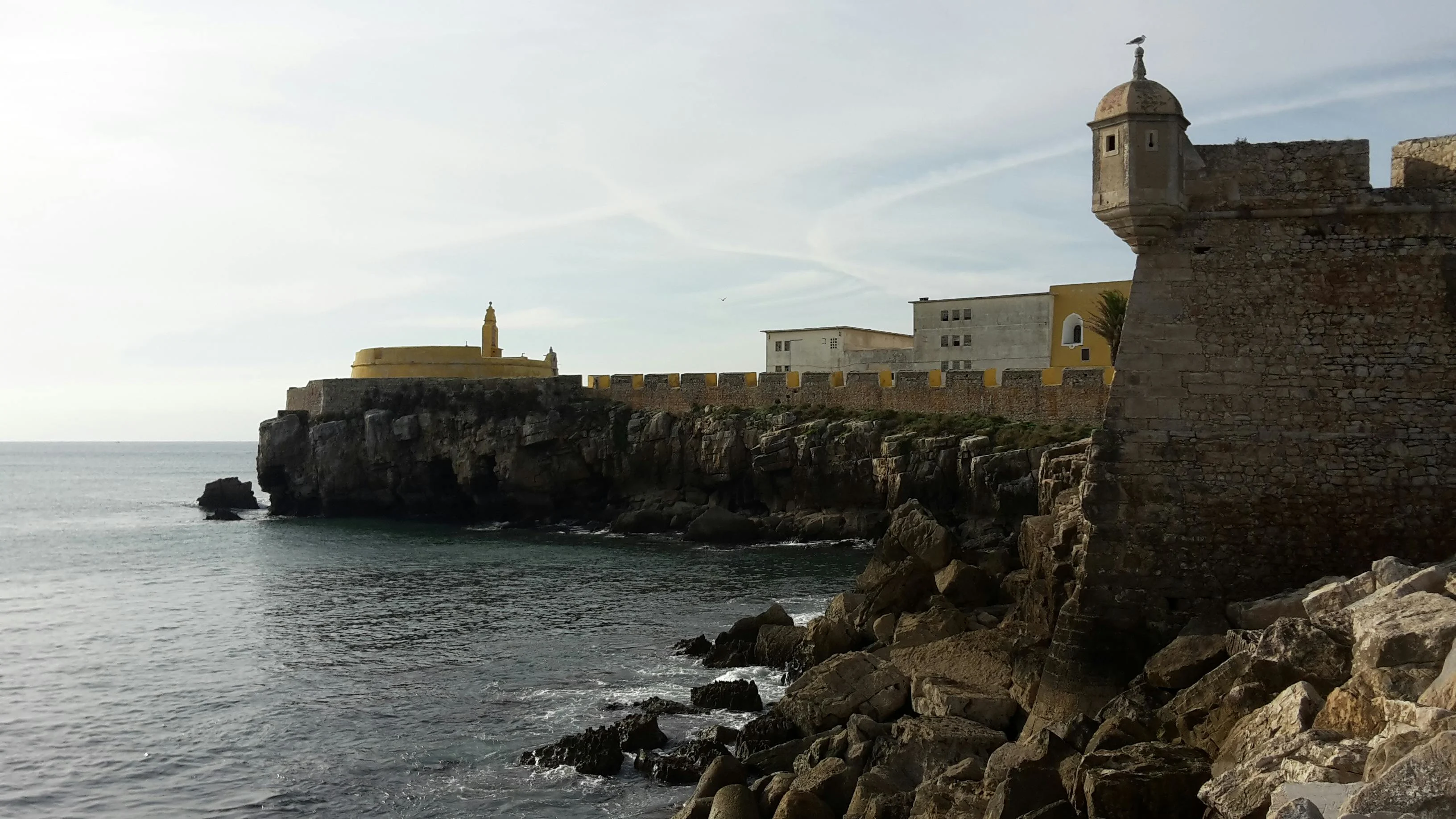
Peniche Fortress: Where Military Might Meets Atlantic Fury
Salty mist coats your lips as you stand on the wind-battered bulwarks of the Peniche fortress. The rhythmic crash of Atlantic swells against the jagged basalt rocks below drowns out the distant, echoing cries of circling gulls. Spanning an entire peninsula, this imposing geometric structure cuts a stark silhouette against the cerulean sky—its thick, whitewashed walls radiating the harsh midday light. You walk along the parapet, trailing your fingers over the rough, honey-colored limestone blocks, feeling centuries of maritime history embedded in the coarse masonry. Built upon the ruins of an earlier sixteenth-century convent, the massive star-shaped bastions rise from the sea like a stone ship, permanently anchored to the Portuguese coast. The Peniche fortress matters because it is not merely an architectural relic of coastal defense; it is a visceral, layered monument that witnessed the brutality of the twentieth-century Salazar dictatorship, preserving a profound duality of military grandeur and profound human resilience within its dark, vaulted chambers.
Why Peniche Fortress Embodies Military Might
The Peniche fortress embodies military might because it was engineered to solve an urgent, existential problem: protecting Portugal’s central western flank from relentless seaborne invasions. Following devastating raids by English and French corsairs, the Portuguese crown ordered the construction of a modern fortress on the Peniche peninsula. Under the reign of King Pedro II in the late seventeenth century, the original defensive perimeter was radically transformed by French military engineer Pierre Roussel de la Tour into a state-of-the-art bastion fort. This design solved the critical vulnerability of traditional medieval castles—tall, vertical walls easily shattered by cannon fire—by replacing them with low, thick, sloping earthworks faced in local limestone. The fortress features four distinct, arrowhead-shaped bastions angled precisely to create overlapping fields of crossfire, ensuring that any approaching enemy ship would face devastating artillery barrages from multiple directions simultaneously. The outer walls measure a staggering 10 meters (33 feet) thick at the base, constructed from massive ashlar blocks bonded with lime mortar. Beneath the exposed ramparts lies a labyrinth of vaulted casemates—dark, arched chambers designed to safely house artillery crews and securely store gunpowder away from the damp coastal air. Every structural element, from the wide, sloping glacis designed to deflect cannonballs to the deep, dry moat carved out of the living rock, represents a masterful, calculated application of Renaissance military engineering.
The Best Time to Experience Peniche Fortress
To experience the Peniche fortress in its most dramatic and contemplative state, plan your visit between April 15 and May 30. During this specific window, the coastal scrubland surrounding the peninsula bursts into vibrant green, and daytime temperatures remain a comfortable 16°C–21°C (61°F–70°F)—ideal for walking the vast, shadeless ramparts without succumbing to heat exhaustion. Arrive precisely between 9:00 and 10:30 AM. At this early hour, the angled sunlight highlights the geometric precision of the star-shaped bastions, and the atmospheric silence allows you to hear the violent rhythm of the waves crashing against the sea walls. You should firmly avoid July 20 through August 25; summer pushes temperatures past 30°C (86°F), the reflective limestone creates a blinding glare, and dense crowds from nearby beach resorts completely erode the fortress's somber, reflective atmosphere. For current museum hours, ferry schedules to the Berlengas Islands, and updated historical exhibitions, consult the official municipal tourism portal at museunacionalresistencialiberdade. Checking this resource ensures you secure access to the restricted political prison cells and experience the site with the gravity it deserves.
Approximate Budget for a 7-Day Trip
Estimating costs for a cultural immersion into the Peniche fortress requires factoring in the town’s identity as a rugged, working fishing port rather than a polished luxury destination. This budget reflects a mid-range traveler prioritizing historical engagement and local seafood over resort amenities.
- Accommodation: €50–€75 per night (a family-run residencial located near the historic harbor, featuring tiled rooms and breakfast included)
- Food: €35 per day (Breakfast €3 for a strong bica espresso and a freshly baked pastry; Lunch €10 for a bifana—spicy pork cutlet sandwich—at a dockside tavern; Dinner €22 for a rich arroz de marisco [seafood rice] brimming with local crab and shrimp)
- Transportation: €16 total (€14 for a round-trip Rede Expressos bus ticket from Lisbon to Peniche; €2 for a local municipal bus connecting the station to the fortress gates)
- Attractions: €14 total (€6 for the Peniche fortress museum access; €8 for a round-trip ferry ticket to the Berlengas Island nature reserve, departing from the harbor directly below the fort)
- Miscellaneous: €25 total (a tin of premium local canned fish, a handcrafted cork wallet from a coastal artisan shop, and craft beer from a local microbrewery)
Total: €446–€615
6 Essential Peniche Fortress Experiences
- Walk the Star-Shaped Bastions at Dawn: Begin at the Baluarte de São Pedro and walk the entire perimeter of the fortress ramparts. Feel the sheer drop of the 10-meter (33-foot) stone walls as you peer over the exposed parapet. The unobstructed, 360-degree view allows you to trace the precise, overlapping angles of fire that made this peninsula virtually impregnable to sailing armadas.
- Descend into the Political Prison Cells: Enter the somber, low-lit corridors of the former political prison. The air here is stale and unnervingly still. Read the desperate, scratched messages left on the plaster walls by imprisoned dissidents; the sensory isolation of these windowless rooms provides a chilling, visceral understanding of twentieth-century political oppression.
- Explore the Vaulted Casemates: Walk the labyrinthine ground-floor corridors beneath the ramparts. Notice the dramatically cooler temperature and the echoing resonance of your footsteps against the barrel-vaulted ceilings. These dimly lit chambers once housed dozens of heavy cannons; look for the heavily rusted iron rings embedded in the stone floor, used to secure the artillery carriages during rough storms.
- Photograph the Baluarte de São João: Position yourself on the eastern seaward bastion during the late afternoon. The low sun illuminates the textured, geometric stonework, creating deep shadows that emphasize the sheer mass of the fortifications. The crashing blue Atlantic waves provide a spectacular, high-contrast backdrop to the golden limestone.
- Watch the Fishing Fleet from the Outer Walls: Stand on the northern sea wall and look down into the bustling harbor. Smell the heavy scent of diesel and drying seaweed as brightly painted trawlers navigate the narrow channel. The fortress towers above the working town, offering a cinematic, elevated vantage point of Peniche’s enduring maritime economy.
- Locate the Original Manueline Doorway: Search the inner courtyard walls to find the intricately carved stone portal featuring roped motifs and armillary spheres. This beautiful relic is the only surviving architectural fragment of the Nossa Senhora da Penha convent that originally occupied the site, offering a stark, artistic contrast to the austere military geometry surrounding it.
3 Hidden Gems Most Travelers Miss
- The Escadórias de Santa Maria: Located on the exterior southern face of the fortress, these steep, zigzagging stone steps are often overlooked because visitors rarely leave the main upper ramparts. To find them, walk along the base of the exterior wall near the bus stop. The stairs lead down to a tiny, secluded rocky cove where local fishermen mend their nets in absolute solitude, offering a beautiful, unconventional angle for photographing the fortress rising above.
- The Governor’s House Balcony: Situated inside the fortress walls, this elevated terrace is missed because the standard museum route bypasses the restored administrative quarters. To access it, ask the museum attendant for directions to the Casa do Governador. The balcony offers a shaded, tranquil view of the inner parade ground, completely free of the punishing wind that batters the outer battlements.
- The Subterranean Cistern: Tucked beneath the central courtyard, this vast, atmospheric water reservoir is a hidden gem ignored by tourists focused on the prison cells. Access is through a heavy iron door near the main entrance; check with staff as it is occasionally closed for structural maintenance. Inside, the massive, echoing space is supported by sturdy stone pillars, and the shallow, still water perfectly reflects the vaulted ceiling like a dark, subterranean mirror.
Cultural & Practical Tips
- Maintain absolute silence inside the political prison wing; this section functions as a solemn memorial to the victims of the Estado Novo regime, and loud conversations or laughter are considered deeply disrespectful by the local community.
- Wear shoes with thick rubber soles and strong ankle support; the original fortress ramps and casemate floors are paved with severely eroded, uneven limestone that becomes incredibly slippery when exposed to sea spray or light rain.
- Learn basic Portuguese courtesies to show respect: say "Bom dia" (good morning, pronounced "bom dee-ah") to the museum attendants, and use "Obrigado" (thank you, pronounced "oh-bree-gah-doo") when purchasing tickets at the gate.
- Photography is strictly forbidden inside the prison cellblocks out of respect for the documented suffering that occurred there; security guards will aggressively enforce this rule, so store your camera before entering the prison corridor.
- Bring a high-quality windbreaker and secure your hat; the Peniche peninsula is entirely devoid of windbreaks, and Atlantic gusts routinely exceed 40 kilometers per hour (25 miles per hour), making the exposed ramparts physically exhausting during the cooler months.
- Check the ferry schedules to the Berlengas Islands well in advance; the departures leave from directly below the fortress, but rough seas frequently cancel sailings, leaving disappointed tourists stranded at the docks.
Conclusion: Travel with Historical Empathy, Not Just Spectatorship
The Peniche fortress demands far more from its visitors than a cursory walk along its photogenic battlements; it requires a conscious engagement with a deeply uncomfortable past. When you choose to descend into the claustrophobic political prison cells, reading the desperate messages scratched into the plaster walls by dissidents, you honor the profound human suffering that stains these stones. Mindful travel here means resisting the urge to simply use the ramparts as a scenic backdrop for social media photographs. It means acknowledging the uncomfortable duality of the space—a beautiful, sun-drenched military marvel that simultaneously functioned as an instrument of modern oppression. By moving through the site with quiet reverence, respecting the solemnity of the museum exhibits, and supporting the local cultural initiatives that keep this history alive, you actively participate in preserving a vital democratic memory. Let the relentless Atlantic wind remind you of the isolation endured by those once imprisoned within these walls. In a place built to keep the world out, the greatest respect you can pay is to truly look inward.