
Safranbolu: Where Ottoman Wooden Mansions Meet Timeless Turkish Heritage
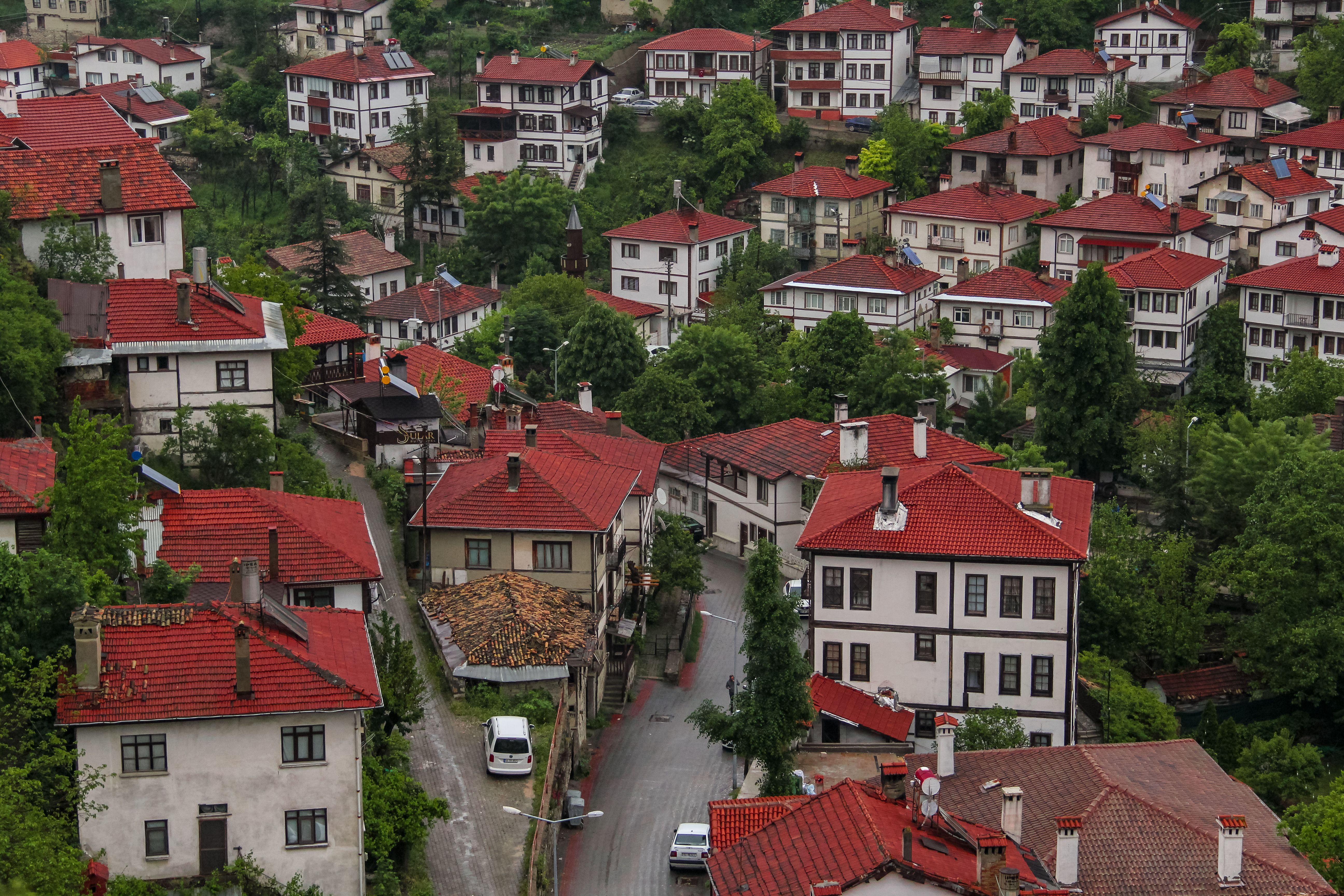
The late afternoon sun bathes the hillside old town in liquid gold as you wander cobblestone lanes that have wound through Safranbolu for over three centuries. The air carries the scent of aged timber, rose water from courtyard gardens, and the faint sweetness of saffron-infused delights from nearby confectioners. You hear the gentle clip-clop of horse-drawn carriages on stone, the murmur of Turkish from open windows, and the distant call to prayer echoing from the historic mosque. Before you rise distinctive Ottoman houses with their signature cumba—overhanging wooden bay windows that seem to float above narrow streets—crafted from chestnut timber, adobe infill, and red-tiled roofs that cascade down the hillside like terraced waves. These structures, over 800 preserved examples built primarily in the 18th and 19th centuries, feature intricate woodwork, latticed screens, and central courtyards where pomegranate trees cast dappled shade. Safranbolu matters because it embodies the extraordinary artistry of Ottoman domestic architecture—a living museum where traditional craftsmanship, cultural values, and sustainable building techniques converge to create a townscape that has inspired preservation efforts worldwide and offers travelers a tangible connection to Turkey's rich architectural heritage.
Why Safranbolu Ottoman Houses Embody Architectural Harmony
Safranbolu's Ottoman houses represent far more than picturesque facades—they embody a sophisticated response to the social, climatic, and aesthetic needs of pre-modern Turkish life. Constructed primarily between 1700-1900 using local materials and time-tested techniques, these structures solved fundamental challenges: providing privacy for extended families in dense urban settings, regulating interior temperatures in a region with hot summers and cold winters, and expressing social status through architectural refinement without ostentation.
The construction methodology is remarkably advanced. Houses feature timber frames of chestnut or juniper—woods resistant to rot and insects—joined with traditional mortise-and-tenon techniques without metal fasteners. Walls consist of woven lath filled with adobe (clay, straw, and animal hair), then plastered and painted with lime-based finishes that breathe and regulate humidity. The signature cumba (projecting bay window) extends 1-2 meters beyond the ground floor, maximizing interior space on narrow plots while creating shaded street-level walkways. Roofs employ wide eaves and red clay tiles angled at 30-35 degrees to shed heavy rainfall and snow.
Interior layouts reflect Ottoman social values: the ground floor housed service areas and stables; the first floor featured a central hayat (courtyard) with rooms opening onto it, ensuring privacy and natural ventilation; the upper floor contained family quarters with ornate wood ceilings and built-in cupboards. Windows feature kafes (lattice screens) that allow light and air while shielding inhabitants from street view. This architectural harmony—where form follows function, where beauty serves community, where local materials create enduring beauty—makes Safranbolu a UNESCO World Heritage Site and a masterclass in sustainable, culturally-rooted design.
The Best Time to Experience Safranbolu Ottoman Houses
To experience Safranbolu at its most enchanting, plan your visit between April 20–June 10 or September 15–October 25, when daytime temperatures range from 17-26°C (63-79°F) and the historic town glows with perfect golden-hour light. During these windows, you'll enjoy comfortable conditions for walking cobblestone lanes, exploring house interiors, and photography without summer's heat or winter's chill.
For optimal photography of wooden facades and street scenes, arrive at key viewpoints at 7:30–9:00 AM when morning light strikes eastern streets, illuminating carved woodwork with soft, directional illumination. Alternatively, visit at 5:00–6:30 PM during golden hour when the timber transforms into warm amber tones and long shadows emphasize architectural details. The wood's color shifts dramatically throughout the day—from pale honey at dawn to deep copper at sunset—making timing crucial for capturing its full beauty.
Avoid the peak summer period of June 25–August 20 when temperatures can exceed 32°C (90°F) in the valley, making exploration of unshaded streets uncomfortable. While summer offers reliable weather, crowds peak and the experience can feel rushed. Winter months (December–February) bring temperatures of 0-8°C (32-46°F) during the day but can drop to -8°C (18°F) at night; rain makes cobblestones slippery, and some boutique hotels close for renovation.
For current information on visiting hours, local events, and tourism services, visit the official Turkish Ministry of Culture and Tourism website: www.ktb.gov.tr
Approximate Budget for a 7-Day Trip
Visiting Safranbolu requires basing yourself in the historic old town or nearby Karabük, with day trips to surrounding attractions. The following budget assumes moderate travel style—staying in restored Ottoman houses, dining at local restaurants, and using a mix of walking and local transport. Prices are listed in euros for international travelers, though Turkey uses the Turkish Lira (₺).
- Accommodation: €32–€58 per night in Safranbolu old town (Çarşı district). Budget pensions in restored houses start at €26; boutique Ottoman mansions with courtyard views run €60-90. Staying in the historic center puts you within walking distance of major houses and museums.
- Food: €14-21 per day total. Breakfast: €4-6 for traditional Turkish breakfast with menemen, local cheese, olives, and çay at historic house hotels. Lunch: €4-7 for Safranbolu mantısı (dumplings), gözleme, or regional kebabs at local esnaf lokantası. Dinner: €7-11 for sit-down meals featuring saffron rice, baklava, and ayran.
- Transportation: Round-trip flight to Ankara or Kastamonu airports from Istanbul: €55-120. Airport shuttle to Safranbolu: €8. Local dolmuş within town: €0.50 per ride. Taxi to nearby attractions: €12 round-trip. Car rental: €32/day.
- Attractions: Safranbolu House Museum: €5. Cinci Han Caravanserai: €4. Tokatlı Canyon viewpoint: Free. Guided Ottoman architecture tour: €30. Traditional Turkish bath experience: €18.
- Miscellaneous: Handwoven Safranbolu silk scarf: €35-95. Local saffron threads: €12/gram. Traditional copper coffee pot: €20-50. Ottoman-style wooden crafts: €15-45.
Total 7-Day Budget: €415–€605 per person (excluding international flights to Turkey)
7 Essential Safranbolu Ottoman House Experiences
- Stay in a Restored Ottoman Mansion: Book accommodation in a converted 19th-century house in the Çarşı or Bağlar districts. These properties feature original timber frames, cumba bay windows, and courtyards with traditional fountains. Wake to the call to prayer echoing off wooden eaves, breakfast in a garden shaded by pomegranate trees, and experience how thick adobe walls keep interiors cool even in summer. Recommended: Look for houses with original kafes lattice windows for authentic atmosphere.
- Walk the Cobblestone Lanes at Dawn: Explore the old town's narrow streets at 7:30 AM when the wooden houses glow in soft morning light and tour groups haven't yet arrived. Start at the Clock Tower and wander downhill toward the river, noting how houses cascade down the slope with their distinctive overhanging upper floors. The cobblestones are worn smooth by centuries of footsteps—wear comfortable shoes. Best photographed between 7:30–9:00 AM when directional light emphasizes wood textures.
- Explore the Safranbolu House Museum: Visit this meticulously restored 19th-century mansion that demonstrates traditional Ottoman domestic life. The house features three floors: service areas below, family quarters above, and a central courtyard with fountain. Examine the intricate wood ceilings, built-in cupboards, and kafes windows that filter light into geometric patterns. Entry: €5. Open 8:30 AM–5:30 PM (closed Mondays). Allow 45 minutes to absorb the details.
- Photograph the Cumba Bay Windows: Position yourself on İncekaya Street at 5:30 PM to capture the iconic overhanging wooden balconies that define Safranbolu's skyline. Use a wide-angle lens to emphasize how these structures maximize interior space while creating shaded walkways below. The timber glows amber in late afternoon light, creating stunning contrast with whitewashed walls. Best captured in spring or autumn when atmospheric clarity is optimal.
- Experience a Traditional Turkish Bath: Book a hammam experience in a historic bathhouse featuring Ottoman architecture: domed ceilings, marble basins, and steam rooms heated by traditional furnaces. The 16th-century Cinci Hamam offers authentic experiences (€18, 90 minutes) including traditional kese (exfoliation) and foam massage. The stone architecture creates perfect acoustics and thermal properties. Book 24 hours ahead; open 9:00 AM–8:00 PM.
- Visit the Cinci Han Caravanserai: Explore this 17th-century merchant inn that once hosted Silk Road traders. The two-story stone structure features a central courtyard with arcaded walkways, rooms for merchants, and stables below. Now housing artisan workshops, it demonstrates how Safranbolu thrived as a trade hub. Entry: €4. Open 8:00 AM–6:00 PM. Look for copper-smiths and calligraphers practicing traditional crafts.
- Watch Sunset from Tokatlı Canyon: Climb to this viewpoint 2 kilometers from the old town for panoramic views of Safranbolu's wooden houses cascading down the hillside, the river valley below, and surrounding forests. The hike takes 25 minutes and gains 150 meters elevation. Visit at 6:00–7:30 PM when the setting sun bathes the town in golden light. Bring water and wear sturdy shoes—the path is uneven.
3 Hidden Gems Most Travelers Miss
- The Hidden Courtyard Gardens: Tucked behind unmarked wooden doors along side streets, traditional Ottoman courtyards feature fountains, fruit trees, and flower beds maintained by local families. Most visitors overlook these private oases because they're not publicly advertised. Access: Wander the Bağlar district's quieter lanes; look for open gates or ask politely at guesthouses for permission to view a courtyard. Best visited mid-morning (10:00 AM–12:00 PM) when light filters through trees. Respect privacy—these are living homes, not tourist attractions.
- The Artisan Woodworking Workshop: In a small studio near the Clock Tower, master craftsman Mehmet Yılmaz (+90 370 412 5678) continues traditional Ottoman woodcarving techniques, creating kafes screens, decorative panels, and furniture using hand tools unchanged for centuries. Most tourists miss it because it's not prominently signposted. Access: Ask at the tourism office for directions to "ahşap oyma atölyesi." Open Tuesday–Saturday, 9:00 AM–5:00 PM. Watch demonstrations (€5) or commission custom pieces. Allow 30 minutes to observe respectfully.
- The Ancient Water Channels: Beneath the old town's cobblestone streets, a network of stone-lined channels once carried spring water from mountain sources to fountains and house cisterns throughout Safranbolu. Most visitors overlook these subtle features, but they represent sophisticated Ottoman hydraulic engineering. Access: From the main square, follow the path toward the river for 300 meters to a small viewing grate where channels are visible. Best examined mid-morning when side-lighting reveals the stonework. No entrance fee; bring a flashlight to illuminate the channels.
Cultural & Practical Tips
- Respect Private Homes: Many Ottoman houses in Safranbolu are still inhabited by local families. Admire facades from public streets but don't enter courtyards or peer through windows without invitation. If a door is open and you're welcomed in, remove shoes and speak quietly—these are living spaces, not museum exhibits.
- Photography Etiquette: Photography is permitted throughout the old town, but always ask permission before photographing residents, especially elderly locals in traditional dress. Interior photography in house museums is allowed without flash. Drone photography requires advance permission from provincial authorities (contact: karabuk.kultur@ktb.gov.tr).
- Essential Phrases: "Teşekkür ederim" (teh-shek-kür eh-deh-rim) = Thank you; "Safranbolu evleri nerede?" (saf-ran-bo-lu ev-ler-ee neh-reh-deh) = Where are the Safranbolu houses?; "Ne kadar?" (neh kah-dar) = How much?; "Hoş geldiniz" (hosh gel-din-iz) = Welcome.
- Navigate the Hills: Safranbolu's old town is built on a slope, and cobblestone streets can be steep and uneven. Wear shoes with good grip—avoid smooth soles. In summer, the stone absorbs heat and can become warm underfoot; in winter, cobblestones become slippery when wet.
- Weather Considerations: The region experiences continental climate: summer temperatures can exceed 32°C (90°F) with low humidity; winter brings temperatures near freezing and occasional snow. The old town's narrow streets provide shade in summer but can feel chilly in winter—dress in layers. Rain is infrequent but makes cobblestones extremely slippery.
- Support Local Artisans: Purchase crafts directly from workshops in the old town: hand-carved wood, copper items, traditional textiles. This helps sustain traditional crafts in a region facing economic change. Learn a few words of Turkish—effort is appreciated even if pronunciation isn't perfect.
- Understand the Context: Safranbolu's houses embody Ottoman social values: privacy, family hierarchy, and harmony with nature. When visiting, consider how architectural features like kafes windows and central courtyards reflected cultural priorities. This context enriches appreciation beyond aesthetic beauty.
Conclusion: Travel with Reverence, Not Just Checklists
Safranbolu invites you to do more than photograph wooden facades against cobblestone streets. This is a place to stand where craftsmen joined timber without nails, where families gathered in courtyards beneath pomegranate trees, where architectural wisdom created beauty that has endured for centuries. When you walk lanes worn smooth by generations, when you trace carved woodwork with your eyes, when you sip çay in a garden that has sheltered countless conversations, you participate in a continuity that transcends any single lifetime.
Travel to Safranbolu with reverence for the craftsmanship that shaped these houses, for the cultures that merged in their courtyards and cumbas, for the resilience that preserved this townscape through centuries of change. Respect the fragility of aged timber—soft enough to carve into exquisite detail, hard enough to endure seasons, but vulnerable to careless touch and environmental stress. Understand that the tranquil atmosphere you cherish depends on the restraint of every visitor who comes after you. Let the cobblestones slow your pace, let the weight of history humble your expectations, and let the harmony of wood, stone, and community remind you that the most profound journeys are those that deepen our appreciation for the enduring human impulse to create beauty that serves both function and soul.