
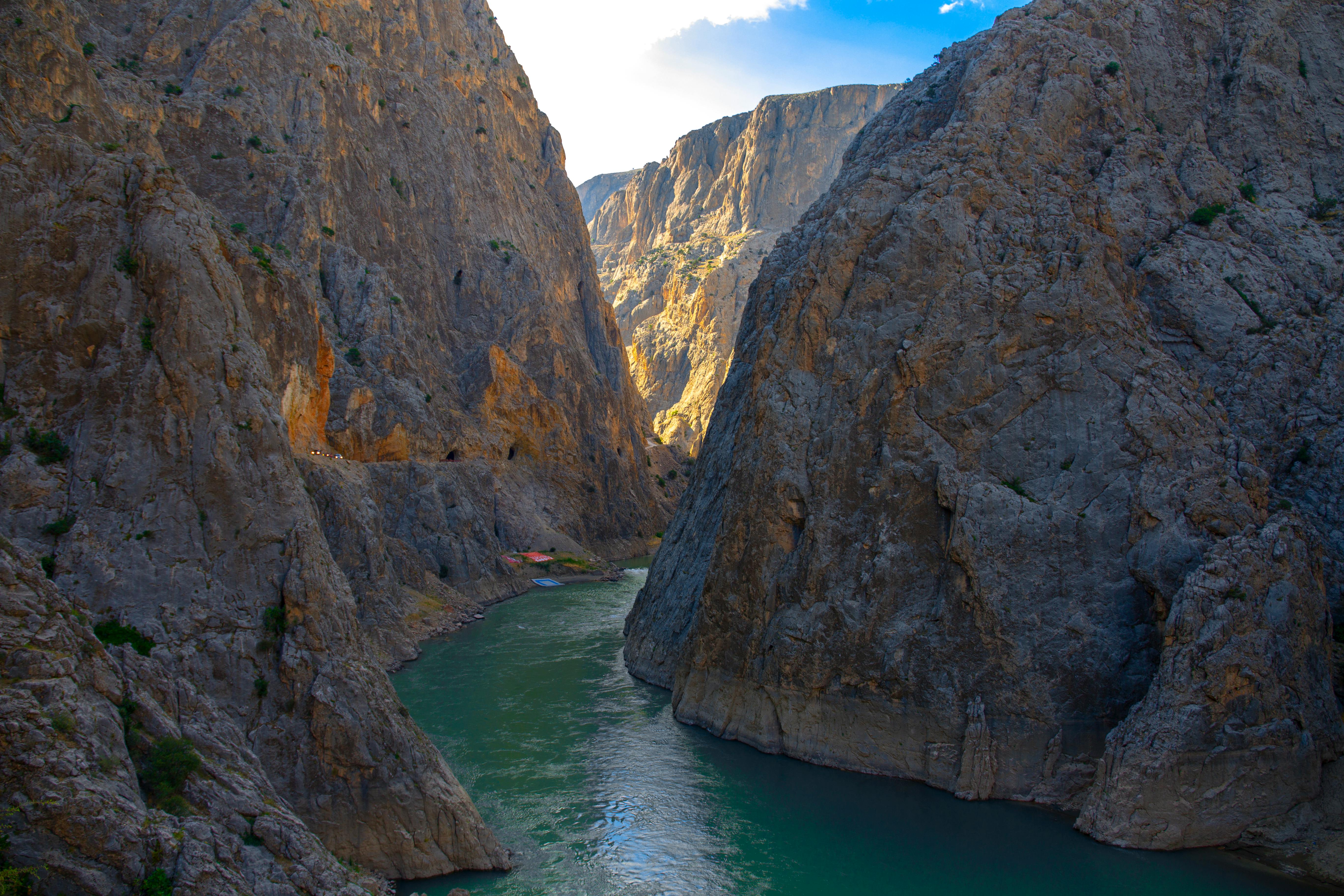
Saklıkent Gorge: Where Thundering Waters Meet Ancient Stone
The roar of rushing water echoes off limestone walls that rise two hundred meters skyward as you step onto a wooden walkway clinging to the canyon's edge. You've entered Saklıkent Gorge—Turkey's deepest canyon, stretching eighteen kilometers through the Akdağ Mountains, where the icy waters of the Eşen Çayı river carve their eternal path through rock formed during the Mesozoic era. The air carries the scent of wet stone and wild mint, while mist from the churning river creates fleeting rainbows in shafts of sunlight piercing the narrow gorge. Water temperatures hover between six and ten degrees Celsius year-round, fed by snowmelt from peaks rising over two thousand meters, creating a refreshing shock against sun-warmed skin. This place matters because it offers one of the Mediterranean's most dramatic geological experiences—a natural cathedral where you can walk between towering stone walls, feel the power of water that shaped this landscape over millions of years, and connect with a wilderness that has remained largely unchanged since Lycian travelers first navigated these mountain passes over two millennia ago.
Why Saklıkent Gorge Embodies Geological Majesty
Saklıkent Gorge represents one of Turkey's most spectacular geological formations, solving the modern adventurer's quest for authentic wilderness experiences within accessible reach of coastal resorts. Designated as a National Park in 1996, this canyon functions as both a dramatic recreational destination and a critical watershed protecting the Eşen Çayı river system that irrigates the fertile Xanthos Valley below. The gorge's extraordinary dimensions—eighteen kilometers in length with vertical walls reaching 200 meters and widths narrowing to just two meters in sections—were carved by the relentless force of water cutting through limestone bedrock over approximately two million years.
The canyon's engineering marvels include wooden walkways and metal bridges installed in 1998, allowing safe passage through sections where natural footing proves treacherous. These structures were designed using corrosion-resistant materials to withstand the gorge's humid microclimate and seasonal flooding. The river's flow varies dramatically: averaging 45 cubic meters per second in summer but swelling to over 200 cubic meters per second during spring snowmelt, creating the thunderous rapids that give Saklıkent its name—"Hidden City" in Turkish. Water temperatures remain remarkably cold year-round (6–10°C / 43–50°F) due to high-altitude sources and limited sun exposure within the narrow canyon.
Beyond recreation, Saklıkent fulfills vital ecological functions: it serves as a protected corridor for wildlife including brown trout, freshwater crabs, and endemic plant species adapted to the canyon's unique microclimate. The Turkish Ministry of Environment implemented conservation measures in 2003 restricting development within one kilometer of the gorge, preserving the watershed's integrity. Geological studies by Istanbul Technical University have documented the canyon's formation processes, revealing how tectonic uplift combined with water erosion created this dramatic landscape. The site attracts over 500,000 visitors annually while maintaining environmental standards through controlled access, waste management systems, and educational programs that connect visitors to the gorge's natural and cultural significance.
The Best Time to Experience Saklıkent Gorge
Timing your visit to Saklıkent Gorge dramatically affects water levels, accessibility, and overall experience quality. The optimal window stretches from May 15–June 25 and September 10–October 15, when air temperatures range between 22–30°C (72–86°F) and water levels remain manageable for wading. During these shoulder seasons, the river flows at moderate volumes, walkways stay dry, and visitor numbers stay around 1,500–2,000 daily rather than the 4,000–5,000 seen in peak summer. Arrive at the gorge between 9:00–10:30 AM when morning light penetrates the canyon beautifully and before tour buses arrive from Fethiye and Ölüdeniz.
Avoid July 15 through August 25 absolutely: temperatures soar to 36–43°C (97–109°F) outside the gorge, crowds exceed capacity creating long queues for walkways, and afternoon thunderstorms can cause sudden water level rises that close sections without warning. Midday visits between 12:00–4:00 PM during peak season prove overwhelming—finding space on narrow walkways becomes difficult, and the combination of canyon humidity and external heat creates uncomfortable conditions. Winter months (November through March) bring cooler air temperatures of 8–15°C (46–59°F) and water levels that can make wading sections impassable; heavy rains may close the gorge entirely for safety, though the canyon remains stunningly beautiful for photography from viewpoint areas.
The optimal wading season extends from May through October, with water levels most predictable in late spring and early autumn. Note that the gorge operates with seasonal hour adjustments and may close temporarily during heavy rainfall or high water conditions for visitor safety.
Approximate Budget for a 7-Day Trip
Exploring Saklıkent Gorge and the surrounding Fethiye region offers excellent value for adventure seekers and nature enthusiasts. This budget assumes moderate comfort—mid-range accommodation with mountain or sea views, fresh Turkish and Mediterranean cuisine, local transportation, gorge entrance fees, and selective adventure activities. Prices reflect 2026 rates for travelers seeking authentic experiences without ultra-luxury pricing.
- Accommodation: €42–€78 per night in Fethiye or Kayaköy (boutique hotels with pool and breakfast; budget pensions from €24, luxury resorts from €135)
- Food: €25–€38 per day (breakfast €5—Turkish kahvaltı spread with cheeses, olives, tomatoes, honey, börek; lunch €8–€11—gözleme, grilled chicken dürüm, or meze platter at riverside cafes; dinner €12–€22—fresh trout from Eşen Çayı, lamb tandır, or vegetarian options with local wine)
- Transportation: €63 total (Dalaman Airport to Fethiye via shuttle: €9 each way; local dolmuş to Saklıkent: €3 per ride; taxi from Fethiye: €35 one-way; bicycle rental: €8/day; optional car rental for exploring: €32/day)
- Attractions: €88 total (Saklıkent Gorge entrance: €5; Ölüdeniz Blue Lagoon: €7; Lycian Way hiking guide: €18; Tlos ancient city tour: €15; rafting on Eşen Çayı: €40; boat trips to nearby islands: €25)
- Miscellaneous: €42 (water shoes €10, waterproof phone case €8, Turkish evil eye charm €7, local honey and herbs €12, travel insurance prorated €9)
Total: €460–€640 for 7 days (excluding international flights to Dalaman)
7 Essential Saklıkent Gorge Experiences
- Wade through the icy river at the entrance: Begin your gorge exploration by stepping into the Eşen Çayı river where water depths range from ankle to knee level. The shock of 6–10°C (43–50°F) water against sun-warmed skin creates an invigorating sensation that awakens the senses. Wear water shoes with grip—the riverbed consists of smooth stones that become slippery when wet. Walk slowly, using the wooden handrails installed along the initial section. This experience lasts approximately 200 meters and takes 15–20 minutes, setting the adventurous tone for your canyon journey.
- Walk the wooden walkway through narrow sections: Follow the metal-and-wood walkway clinging to the canyon's eastern wall, where the gorge narrows to just two meters in places. The path rises approximately 1.5 kilometers into the canyon, offering dramatic views of towering limestone walls streaked with mineral deposits. Pause at designated viewpoints to photograph the interplay of light and shadow as sunlight filters through the narrow opening above. The walkway takes 30–45 minutes to complete at a leisurely pace, with opportunities to rest on benches carved into the rock.
- Climb to the upper viewpoint platform: Approximately 800 meters into the gorge, a metal staircase leads to an elevated viewing platform offering panoramic perspectives of the canyon's scale. The climb involves 120 steps and rewards with photographs showing the river snaking through the stone corridor below. This viewpoint is particularly spectacular at mid-morning when sunlight illuminates the western wall's textured surface. Allow 10 minutes here for photography and to appreciate the geological forces that shaped this landscape over millions of years.
- Experience the waterfall section: Near the walkway's end, a smaller tributary waterfall cascades down the canyon wall, creating a misty microclimate and natural photo opportunity. Stand beneath the falls (if water levels permit) to feel the cool spray and hear the thunderous roar amplified by the stone walls. This section is best visited between 10:00 AM–12:00 PM when lighting creates rainbows in the mist. Bring a waterproof camera or phone case—spray can reach several meters from the falls.
- Enjoy riverside dining at canyon entrance: After exploring, relax at one of the family-run restaurants lining the riverbank outside the gorge entrance. These establishments specialize in fresh trout caught from the Eşen Çayı, grilled over wood fires and served with meze, salad, and local wine. Request a table on the wooden terrace overlooking the river for the full sensory experience. Prices are reasonable (€10–€18 for main courses), and the atmosphere combines rustic charm with breathtaking natural scenery.
- Try river rafting on Eşen Çayı: For extended adventure, book a guided rafting excursion (€40–€55 including equipment and guide) on the Eşen Çayı river below the gorge. These trips range from gentle family-friendly floats to moderate rapids suitable for beginners. Operators provide wetsuits, helmets, and safety briefings. Trips depart twice daily (10:00 AM and 2:00 PM) and last approximately two hours. The experience reveals the river's power from a different perspective and often includes stops for swimming in calmer pools.
- Photograph the canyon at golden hour: Return to the gorge entrance area between 5:00–7:00 PM (seasonal) when late-afternoon light creates dramatic contrasts between illuminated cliff faces and shadowed recesses. The warm golden tones enhance the limestone's natural textures, while reduced crowds allow unobstructed photography. Position yourself on the bridge spanning the river entrance for iconic shots showing the gorge's mouth framed by towering walls. Bring a tripod for long exposures capturing the river's silky motion against sharp rock details.
3 Hidden Gems Most Travelers Miss
- The ancient Lycian bridge ruins: Approximately three kilometers upstream from the main gorge entrance, partially submerged stone foundations mark a fourth-century BCE bridge that once carried Lycian trade routes across the Eşen Çayı. Most visitors never venture this far because access requires wading through deeper water or hiring a local guide (€25 for two hours). Ask at the gorge entrance information booth for "Likya köprüsü" directions. The ruins are best visited during low water periods (late summer) and offer tangible connections to the civilization that first appreciated this mountain landscape. Bring water shoes and never visit alone—inform staff of your plans.
- The hidden side canyon (Yan Kanyon): To the right of the main walkway, approximately 600 meters into the gorge, a narrow side passage leads to a smaller, less-visited canyon branch. This section remains overlooked because signage is minimal and the entrance appears uninviting. The side canyon features even narrower walls (under one meter in places), creating an intimate, cathedral-like atmosphere. Visit between 11:00 AM–1:00 PM when sunlight penetrates the narrow opening, illuminating mineral-streaked walls in spectacular patterns. The passage extends approximately 150 meters and requires careful footing—bring a headlamp for darker sections.
- The mountain spring viewpoint: Behind the riverside restaurants, a marked trail climbs 200 meters to a clifftop viewpoint overlooking the entire gorge entrance. This spot remains unknown to most visitors because it requires a fifteen-minute uphill walk and isn't advertised. The viewpoint reveals the canyon's full scale, the river's path through the valley, and panoramic views extending to the Mediterranean coast on clear days. Visit at sunset when warm light bathes the landscape and you can photograph the gorge with dramatic sky backdrops. Bring water and wear sturdy shoes—the trail includes loose gravel sections.
Cultural & Practical Tips
- Wear appropriate footwear: The gorge's wet, rocky terrain demands sturdy water shoes or hiking sandals with excellent grip. Avoid flip-flops or smooth-soled shoes—they become dangerously slippery on wet stone. Many visitors rent water shoes at the entrance for €5–€8, but bringing your own ensures proper fit and hygiene.
- Prepare for temperature contrasts: The gorge's microclimate creates significant temperature differences: air inside the canyon stays 5–8°C cooler than outside, while river water remains 6–10°C year-round. Dress in layers and bring a quick-dry towel. Even in summer, prolonged exposure to cold water can cause discomfort—limit wading sessions to 15–20 minutes if sensitive to cold.
- Respect safety barriers and warnings: Saklıkent's walkways and barriers exist for visitor protection. Never climb over railings, venture into closed sections, or ignore red flag warnings indicating high water levels. Turkish authorities impose fines up to ₺1,500 (approximately €45) for violating safety regulations. Always follow instructions from park rangers and posted signage.
- Learn essential Turkish phrases: "Merhaba" (mehr-hah-bah—hello), "Teşekkür ederim" (teh-shek-kür eh-deh-rim—thank you), "Su ne kadar soğuk?" (soo neh kah-dar soh-ook—how cold is the water?), "Tuvalet nerede?" (too-vah-let neh-reh-deh—where is the restroom?), and "İyi günler" (iy-ee gün-ler—good day). Even basic efforts earn warm responses from local staff and vendors.
- Photography guidelines: General photography is permitted throughout the gorge, but avoid using flash in narrow sections where it can disturb other visitors. When photographing people, always ask permission first—Turkish culture values privacy. Drone photography requires permits from the Turkish Civil Aviation Authority (apply at Fethiye Kaymakamlık office three days in advance).
- Plan for seasonal water levels: Spring snowmelt (April–May) creates higher, faster-flowing water that may close wading sections. Summer (June–August) offers the most predictable conditions but peak crowds. Autumn (September–October) provides moderate water levels and fewer visitors. Check the official tourism website before visiting for current conditions and closures.
- Carry essentials for the visit: Bring at least one liter of water per person (no refill stations inside the gorge), sun protection for the entrance area, a waterproof bag for electronics, and a change of clothes if planning to wade. Lockers are available near the entrance for €3. Basic restroom facilities exist at the entrance plaza but not inside the canyon.
Conclusion: Travel with Awe, Not Just Adventure
Saklıkent Gorge doesn't reveal its deepest magic to those racing through for a quick photo. It rewards the visitor who pauses to feel the river's icy power against their skin, who listens to water echoing off stone walls that have stood for millions of years, who understands that this canyon represents nature's patient artistry requiring our respect and care. When you walk between towering limestone walls, watching sunlight dance on rushing water, you're participating in an experience that has captivated travelers since Lycian merchants first navigated these mountain passes over two thousand years ago.
Responsible travel here means honoring the gorge's protected status—staying on designated paths to prevent erosion, packing out all trash to preserve water quality, supporting local guides who share cultural knowledge, and recognizing that your presence is a privilege granted by nature's generosity. This canyon has survived millennia while maintaining its wild character—a balance worth preserving for future generations of adventurers, geologists, and dreamers. Come not just to check an adventure box, but to understand that wonder isn't consumed—it's cultivated, one respectful step, one moment of pure awe, one connection to Earth's ancient stories at a time.