Samothrace Sanctuary: Where Ancient Mysteries Meet Aegean Wilderness
Samothrace Sanctuary: Where Ancient Rites Meet Island Coast
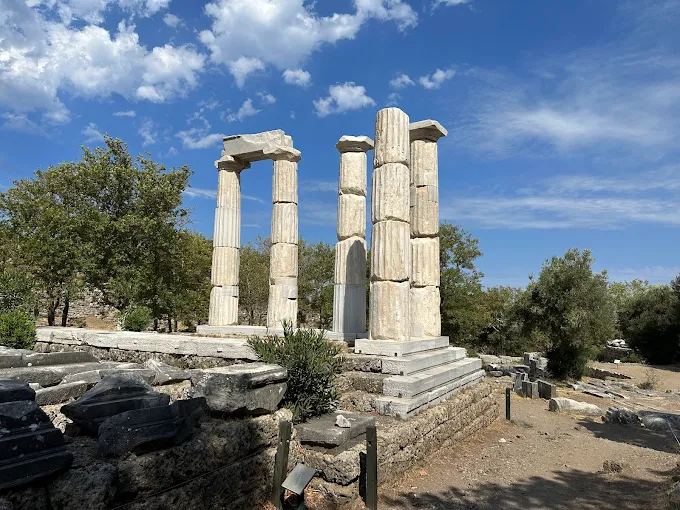
I stand at the sanctuary entrance at twenty past nine on a late May morning. Stone feels cool under my palms. The air smells of pine and wild thyme, carried on a breeze that moves steadily off the sea. Light slants low across terraces, touching broken columns and foundation stones that have lain here for centuries. No voices echo loudly. Most visitors walk slowly, heads tilted upward or eyes fixed on ground where ancient paths still show faint wear. This place does not shout its story. It waits quietly, and asks you to walk slowly to understand. The ruins stretch across the hillside, tier upon tier, and I realize how much remains unseen and unwritten.
Why Samothrace Sanctuary Matters
People gathered here from the seventh century BCE onward to witness secret rites honoring the Great Gods. These were not public ceremonies. Only those initiated could enter certain halls, and what took place inside stayed guarded by silence. Kings and commoners alike traveled here to take part. Philip II and Olympias supposedly met during one such gathering, a meeting that changed history. The sanctuary grew wealthy from gifts and royal favor. Buildings rose in marble and stone. Fame spread across the ancient world. Much of that wealth and detail has vanished. Inscriptions remain, but the core rituals were never written down for outsiders. We know names of buildings. We know who donated funds. The heart of what happened here remains hidden. That gap frustrates many visitors who come expecting clear answers and full reconstructions. You will find few signs and limited explanatory text on-site. Preservation moves slowly. Some areas show weathering and erosion without recent repair work. That incompleteness carries its own truth. This was never meant to be a museum for all future time. It was sacred ground, and in its own way, it still is.
The Best Time to Experience Samothrace Sanctuary
Late May through June offers ideal conditions. Daytime temperatures sit between 20°C and 26°C (68°F and 79°F). Vegetation stays green and wildflowers bloom across the terraces. Crowds remain manageable. July and August bring heat from 28°C to 34°C (82°F to 93°F). Stone paths absorb warmth and reflect it back. Shade exists but never covers the whole route. Visit before ten in the morning or after four in the afternoon. September cools back to 22°C to 28°C (72°F to 82°F). Days stay pleasant, though rain chances rise toward month end. October brings 16°C to 22°C (61°F to 72°F) and fewer visitors. Ferry schedules begin to shrink. Winter from November through March sees the sanctuary open fewer days and fewer hours. Services across the island reduce sharply. Accommodation becomes hard to find. Avoid visiting in winter unless you enjoy quiet and limited amenities.
Approximate Budget for a 7-Day Trip
Prices reflect summer season on Samothrace Island. Costs drop in spring and autumn.
- Accommodation: €40–€65 per night for basic but clean rooms. Weekly: €280–€455
- Food & Drink: €15–€25 daily at local tavernas. Weekly: €105–€175
- Transport: Ferry round trip from Alexandroupoli: €30–€40 per person. Local taxi/rental car: €15–€50 daily. Weekly: €135–€350
- Sanctuary & Museum Tickets: €10 adult combined entry. Other sites nearby: €8–€12 total. Weekly: €18–€22
- Miscellaneous: Water, snacks, small purchases. Weekly: €25–€50
Total estimated cost: €563–€1,052 per person. Avoid tour packages that bundle ferry, entry, and guide together. They often charge €40–€60 more than booking separately. Buy ferry tickets directly and pay entry on arrival instead.
Essential Samothrace Sanctuary Experiences
- Walk the ancient terraces from bottom to top. Follow the paved path past foundations and standing fragments. Each level served a different purpose in the ceremony sequence. Wear sturdy shoes. Ground slopes unevenly.
- Step inside the Archaeological Museum. Artifacts, statues, and displays help reconstruct what the ruins alone cannot show. Allocate equal time here and at the site itself. Skip if you arrive less than ninety minutes before closing; you will rush and miss context.
- Stand before the Nike Monument foundation. This is where the famous statue once stood before it was taken away. Look at the base and imagine the figure standing atop it, visible from far out at sea.
- Pass through the Propylon of Ptolemy II. This grand gateway once marked formal entry to the most sacred area. Walk slowly and picture ancient processions moving through marble gates toward the inner halls.
- Explore the Anaktoron ruins. This hall held initiation rites. You can still trace the layout of rooms and gathering spaces. Respect the stone markers; do not step where walls once stood.
- Climb toward the upper sanctuary boundary. Views open across the ruins and coastline. You see how builders positioned everything to catch light and frame sea views.
Hidden Gems Most Travelers Miss
- Remains of the sacred dining halls where initiates shared ritual meals. Foundations lie off the main path and see few visitors. Look left as you walk upward from the museum.
- Quiet lookout near the old city wall. It offers clear view down to the sea and across the sanctuary layout. No signs point the way, so you must explore slightly beyond marked routes.
- Small spring near the lowest terrace. Ancient pilgrims likely drank here before approaching sacred ground. Water still flows, and the spot stays quiet even on busier days.
- The so-called "Sacred Circle" appears prominently in many guides but offers little to see without prior knowledge. If you have limited time, focus on the main terraces and museum instead.
Cultural & Practical Tips
- Do not lean on stone fragments or climb atop low walls. Many pieces sit loose or worn smooth. Small markers indicate what deserves protection; respect them.
- Bring enough water for your whole visit. You walk exposed terrain and find no drinking fountains on-site. Heat builds quickly in summer.
- Check opening hours carefully before traveling. On Saturdays, the sanctuary opens at 1:00 PM, not morning. Many visitors arrive early and wait unnecessarily.
- Do not expect full explanations or reconstructed scenes. The sanctuary preserves ruins, not a completed picture. Read beforehand or spend time in the museum to gain context.
- Be wary of unlicensed guides offering services at the ferry port or sanctuary gate. Most charge high rates and repeat basic information available freely in printed guides.
Essential Visitor Information
Location & Access: Paleopoli, Samothrace Island, Greece. Postal code 68002. Reach the island by ferry from Alexandroupoli (≈2 hours) or Kavala (≈3.5 hours, summer only). From Kamariotissa port, drive or taxi 15–20 minutes north to Paleopoli. Public bus service runs limited schedule.
Tickets & Booking: €10 adult; €5 reduced for eligible EU seniors; free for EU under 25 and non-EU under 18. Ticket covers sanctuary and museum together. No advance booking needed; pay at gate.
Operating Hours: April 1–October 31: Monday–Friday and Sunday 8:30 AM–3:30 PM; Saturday 1:00 PM–8:00 PM. November 1–March 31: Wednesday–Sunday 8:30 AM–3:30 PM. Closed Easter Sunday, May 1, and public holidays.
Visit Duration: Minimum 1.5 hours for site only. Recommended 2.5–3 hours to include museum and unrushed walking.
Family Suitability: Children welcome. Paths include slopes, steps, and uneven ground. Strollers face difficulty on upper terraces. No restrooms or drinking fountains within the ruins area.
Timing: Best season: late May, June, September. Best time of day: before 10:00 AM or after 4:00 PM. Avoid midday heat July–August.
Highlights: Propylon of Ptolemy II, Anaktoron initiation hall, Nike Monument base, ancient theater, Archaeological Museum galleries.
Nearby & Day Trip: Paleopoli ancient city ruins lie close by. Samothrace waterfalls and pools sit inland from the port. Chora village offers stone streets and island views. Day trip to Alexandroupoli connects easily via ferry for broader northern Greece exploration.
Conclusion: Travel with Curiosity, Not Just Answers
Samothrace Sanctuary does not give up its secrets easily. You walk among foundations and broken columns, piecing together what once stood here. Many questions remain without answers. That uncertainty is part of the experience. Initiates once came seeking insight and transformation. Today visitors come seeking history. Both find something that stays with them, even if never fully understood. When you leave, look back one last time. Notice how light touches stone. Ask yourself what you would have traveled so far to witness.
Post a Comment