
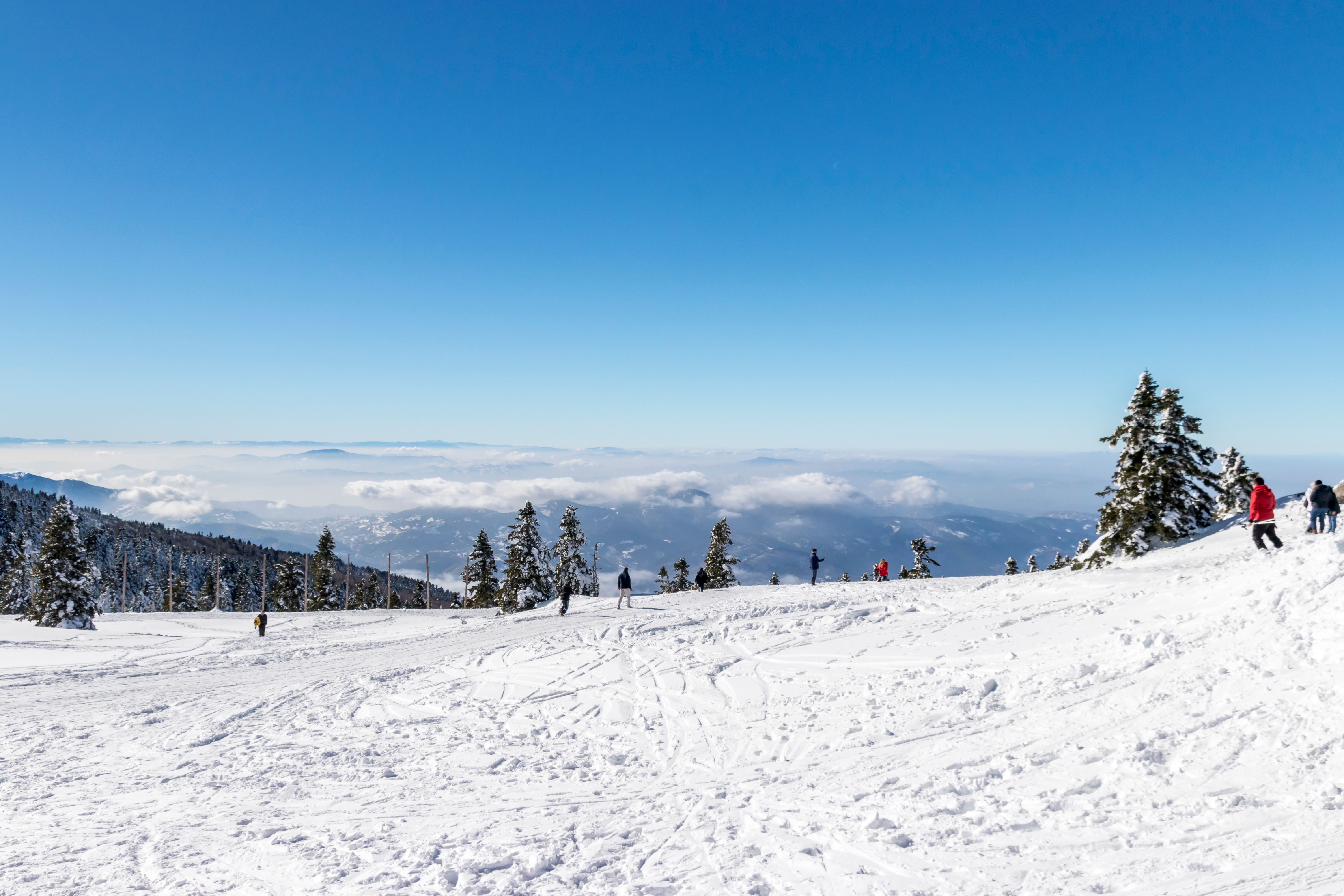
Uludağ: Where Alpine Slopes Meet Ottoman Mountain Majesty
The first light of dawn breaks over snow-capped peaks as you ascend Turkey's most celebrated winter destination, Uludağ Mountain, rising dramatically to 2,543 meters above the Sea of Marmara. The crisp mountain air carries the scent of pine needles dusted with fresh powder, woodsmoke from traditional mountain lodges, and the distant laughter of skiers preparing for their first runs. You hear the rhythmic whir of chairlifts against the winter sky, the crunch of skis carving through pristine snow, and the gentle whisper of wind through ancient fir forests that have cloaked these slopes for centuries. Below, the city of Bursa spreads across the valley like a tapestry of civilization, while above, 28 kilometers of ski slopes—ranging from gentle beginner runs to challenging black diamonds—await across terrain that has welcomed winter sports enthusiasts since the 1930s. This isn't merely a ski resort; it's Turkey's premier alpine destination where Ottoman history meets modern mountain culture, where thermal springs warm weary muscles after days on the slopes, and where the legendary Uludağ—once known as Mount Olympus of Mysia—continues to inspire awe in all who journey to its snow-covered heights.
Why Uludağ Embodies Turkey's Premier Alpine Experience
Uludağ represents far more than a ski destination—it embodies Turkey's unique position as a bridge between European alpine culture and Anatolian mountain tradition, solving the fundamental need for accessible winter sports while preserving the natural beauty and cultural heritage of this sacred mountain. Since organized skiing began here in 1933, Uludağ has evolved into a comprehensive mountain resort serving over 2 million visitors annually, with infrastructure that balances modern amenities with environmental consciousness.
The mountain's technical specifications are impressive: 28 kilometers of marked slopes distributed across three main zones—Bölge (first region) at 1,700-2,200 meters elevation, and Bölge (second region) reaching 2,543 meters at the summit. The resort features 24 ski lifts including modern chairlifts with capacities of 1,200-1,500 skiers per hour, surface lifts for beginners, and the historic teleferik (cable car) system connecting Bursa city at 150 meters elevation to the mountain hotels at 1,900 meters—a vertical ascent of 1,750 meters covering 9 kilometers. Snow conditions typically provide 100-150 days of skiing annually from December through March, with average snow depths of 100-200 centimeters at higher elevations.
What makes Uludağ unique is its dual identity: winter brings world-class skiing with slopes suitable for all levels—from gentle green runs with 15% gradient to challenging black runs with 40% gradient—while summer reveals hiking trails through alpine meadows dotted with wildflowers and ancient Byzantine monasteries. The mountain's thermal mineral springs, emerging at temperatures of 40-55°C (104-131°F), have attracted visitors since Roman times for their reputed healing properties. This convergence of winter sports excellence, natural thermal resources, and proximity to Istanbul (just 150 kilometers away) creates a mountain experience that serves both international ski enthusiasts and Turkish families seeking affordable alpine recreation.
The Best Time to Experience Uludağ
To experience Uludağ at its winter best, plan your visit between December 20–March 15, when snow conditions are optimal and all facilities operate at full capacity. For the best powder skiing, target January 10–February 20 when temperatures range from -8°C to -2°C (18°F to 28°F) at summit elevations, ensuring consistent snow quality. Daytime temperatures at the ski areas (1,900-2,200 meters) typically range from -5°C to 3°C (23°F to 37°F) during peak season, while base areas hover around 0°C to 5°C (32°F to 41°F).
For optimal skiing conditions, hit the slopes at 9:00–11:00 AM when freshly groomed runs offer pristine corduroy surfaces and lift lines remain manageable. Afternoon skiing between 2:00–4:00 PM provides softer snow conditions ideal for beginners and warmer temperatures for those sensitive to cold. The mountain's southern exposure means afternoon sun creates excellent visibility and dramatic photography opportunities.
Avoid the holiday periods of December 28–January 5 (New Year) and February 10–20 (Turkish school holidays) when the resort reaches maximum capacity, lift queues extend to 45+ minutes, and accommodation prices surge 200-300%. Late season skiing after March 20 becomes unreliable as warming temperatures create slushy conditions and some lifts close early. For summer activities, visit between June 15–September 10 when temperatures range from 18-28°C (64-82°F) and wildflower meadows bloom spectacularly.
Approximate Budget for a 7-Day Trip
Visiting Uludağ requires basing yourself either in mountain hotels at the ski area or in Bursa city with daily ascents via teleferik. The following budget assumes moderate travel style—comfortable mountain lodges or city hotels, hearty Turkish mountain cuisine, and a mix of public transportation and ski passes. Prices are listed in euros for international travelers, though Turkey uses the Turkish Lira (₺).
- Accommodation: €35–€65 per night in Uludağ ski area hotels. Budget pensions start at €28; mid-range mountain hotels with ski-in/ski-out access run €45-75. Staying in Bursa city center costs €30-55 per night but requires daily teleferik tickets (€12 round-trip).
- Food: €18-28 per day total. Breakfast: €5-8 for traditional Turkish breakfast with menemen, cheese, olives, and çay at hotel restaurants. Lunch: €6-10 for mountain pide, kebabs, or international fare at slope-side restaurants. Dinner: €8-12 for sit-down meals featuring Turkish specialties, grilled meats, and local wine.
- Transportation: Round-trip flight to Istanbul from major European cities: €80-180. Istanbul to Bursa bus: €12 each way (3.5 hours). Bursa to Uludağ teleferik: €12 round-trip or €60 for weekly pass. Local dolmuş in Bursa: €0.50 per ride. Car rental from Istanbul: €35/day.
- Attractions: Uludağ ski pass (daily): €25-35. Ski equipment rental: €15-25 per day. Teleferik scenic ride (non-skiers): €12. Bursa historical sites: €8 total. Turkish bath experience: €15.
- Miscellaneous: Ski lesson (group, 2 hours): €30. Thermal spa access: €18. Souvenirs (Turkish delight, textiles): €15-40. Travel insurance: €25-40.
Total 7-Day Budget: €520–€780 per person (excluding international flights)
7 Essential Uludağ Experiences
- Ski the Sarıalan Slopes at Dawn: Arrive at the Sarıalan ski area by 8:30 AM to experience freshly groomed runs before crowds arrive. The blue runs here offer perfect intermediate terrain with 20-25% gradient and stunning views across the Sea of Marmara. Rent equipment at the base (€20/day for complete set) and purchase a half-day pass (€18) if you're a casual skier. The morning light creates spectacular photography opportunities as sun illuminates snow-covered fir trees.
- Ride the Teleferik from Bursa: Experience one of the world's longest cable car systems, ascending 1,750 vertical meters from Bursa city (150m) to Oteller Bölgesi (1,900m) over 9 kilometers. The 45-minute journey offers breathtaking views of Bursa's Ottoman architecture, lush forests, and dramatic mountain scenery. Purchase tickets at Teferrüç station in Bursa; departures every 15-20 minutes from 8:00 AM–8:00 PM. Cost: €12 round-trip. Bring layers—temperature drops 10°C during ascent.
- Explore the Summit at Kirazlıyayla: Take the chairlift to Uludağ's summit (2,543 meters) for panoramic views extending to Istanbul on clear days. The highest ski area features advanced terrain with 35-40% gradient and off-piste opportunities for experienced skiers. Even non-skiers can enjoy the summit restaurant and observation deck. Visit between 11:00 AM–2:00 PM when visibility is best. Dress warmly—summit temperatures average 8-10°C colder than base areas.
- Experience Turkish Bath Recovery: After intense skiing, visit a traditional hamam in Bursa's historic center to soothe muscles with hot stone treatments and foam massages. The 16th-century Eski Kaplica thermal baths offer authentic experiences (€15, 90 minutes) including mineral spring pools at 40-45°C (104-113°F). Book afternoon sessions (3:00–5:00 PM) when slopes empty. The mineral-rich waters have attracted visitors since Byzantine times for their reputed healing properties.
- Dine on Mountain Cuisine: Sample traditional Turkish mountain fare at slope-side restaurants featuring Iskender kebab (Bursa's signature dish), pide (Turkish pizza), and hot şalgam (fermented turnip juice). The restaurant at Oteller Bölgesi serves excellent Turkish breakfast spreads (€8) perfect for fueling ski days. Try local Uludağ honey and mountain herbs. Dinner reservations recommended for weekend evenings.
- Take a Night Skiing Session: Experience Uludağ's illuminated slopes available Thursday–Saturday evenings from 7:00–10:00 PM. The floodlit runs create a magical atmosphere as you carve through snow under stars. Night passes cost €20 and include equipment rental. The experience is particularly romantic for couples and offers cooler temperatures for those who find daytime skiing too warm.
- Hike Summer Alpine Meadows: Visit between June–September to explore Uludağ's transformation into a hiker's paradise with 15 kilometers of marked trails through wildflower meadows, ancient forests, and past glacial lakes. The route to Kirazlıyayla summit takes 3 hours and rewards with 360-degree views. Guided nature walks available (€25, 4 hours) include botanical interpretation and picnic lunch.
3 Hidden Gems Most Travelers Miss
- The Abandoned Byzantine Monastery Ruins: Hidden in the forest below the ski area at 1,600 meters elevation, stone foundations and carved crosses mark a 12th-century Byzantine monastery that once served monks seeking mountain solitude. Most skiers overlook this historical site because it's not signposted from main slopes. Access: From Sarıalan area, follow the unmarked forest trail northwest for 1.5 kilometers (45 minutes). Best visited in summer when snow melts; bring a guide or GPS coordinates. The ruins offer peaceful contemplation and unique photography combining Byzantine history with alpine scenery.
- The Secret Hot Spring at Çekirge: While most visitors flock to commercial thermal hotels, locals know about a natural hot spring emerging from rock formations near Çekirge district at the mountain's base, where mineral-rich water flows at 45°C (113°F) into natural stone pools. Access: From Bursa city center, take dolmuş #38 to Çekirge (€0.50, 20 minutes), then walk 800 meters uphill following steam vents. Free access; bring swimsuit and towel. Best visited early morning (7:00–9:00 AM) or evening (6:00–8:00 PM) to avoid crowds. The mineral water is rich in sulfur and calcium.
- The Forgotten Ottoman Hunting Lodge: Perched at 2,100 meters near Kirazlıyayla, a stone hunting lodge built for Sultan Abdülhamid II in the 1890s still stands, featuring original stone architecture and panoramic views rarely photographed. Access: From the summit chairlift, follow the service road eastward for 800 meters (20-minute walk). The structure is visible from the slope but rarely visited. No entrance fee; respect the historical structure. Best photographed at sunset (5:00–6:30 PM in winter) when golden light illuminates the stonework against snow.
Cultural & Practical Tips
- Respect Mountain Culture: Uludağ serves both international tourists and Turkish families observing conservative values. Dress modestly in thermal hotels and public areas—swimwear appropriate for pools, not hallways. Remove shoes when entering traditional establishments. Greet staff with "Merhaba" (hello) and "Teşekkür ederim" (thank you).
- Ski Safety Essentials: Always wear helmets (mandatory for children under 14, strongly recommended for all). Stay within marked boundaries—backcountry skiing requires guides and avalanche equipment. Check weather forecasts daily; whiteout conditions can develop rapidly. Carry mountain rescue number: +90 224 233 3333. Ski insurance covering winter sports is essential.
- Essential Phrases: "Teşekkür ederim" (teh-shek-kür eh-deh-rim) = Thank you; "Uludağ'a nasıl giderim?" (oo-loo-dah-uh nah-sul gee-deh-rim) = How do I get to Uludağ?; "Ne kadar?" (neh kah-dar) = How much?; "Kayak malzemesi kiralamak istiyorum" (kah-yak mal-ze-me-see kee-rah-lah-mak is-tee-yo-rum) = I want to rent ski equipment.
- Photography Guidelines: Capture sunrise (7:30–8:30 AM) and sunset (5:30–6:30 PM) for dramatic mountain light. Use polarizing filters to reduce snow glare. Drone photography requires permission from Turkish aviation authorities (apply 2 weeks ahead). Respect privacy—ask permission before photographing locals, especially women in traditional dress.
- Weather Considerations: Uludağ creates its own weather systems. Morning fog often clears by 10:00 AM; afternoon clouds build after 3:00 PM. Temperatures drop 6°C per 1,000 meters elevation gain. Pack layers: thermal base, fleece mid-layer, waterproof shell. Wind chill can make -5°C feel like -15°C at summit. Always carry hand warmers and lip balm.
- Altitude Awareness: At 2,543 meters summit elevation, some visitors experience mild altitude effects: headache, fatigue, shortness of breath. Ascend gradually, stay hydrated (3+ liters daily), avoid alcohol first 24 hours, and descend if symptoms worsen. The teleferik's rapid ascent can trigger symptoms—rest 30 minutes upon arrival before skiing.
- Transportation Timing: Bursa to Istanbul buses run hourly from 6:00 AM–10:00 PM (3.5 hours, €12). Book return tickets in advance during holidays. Teleferik operates 8:00 AM–8:00 PM in winter, 8:00 AM–10:00 PM in summer. Last descent from mountain: 7:30 PM. Missing it requires expensive taxi (€80-100 to Bursa).
Conclusion: Travel with Reverence, Not Just Checklists
Uludağ invites you to do more than conquer slopes and collect vertical meters. This is a place to stand where Ottoman sultans once hunted, where Byzantine monks sought divine solitude, where modern Turkey embraces its alpine heritage while honoring millennia of mountain tradition. When you glide through ancient fir forests, when you soak in thermal springs that have healed weary travelers since Roman times, when you share çay with Turkish families celebrating winter's beauty, you participate in a continuity that transcends any single ski season.
Travel to Uludağ with reverence for the mountain's ecological fragility—alpine ecosystems recover slowly from disturbance, and every footprint matters. Respect the cultural heritage preserved in stone monasteries and Ottoman lodges. Understand that the pristine slopes you cherish depend on sustainable practices and mindful visitors. Let the mountain's grandeur humble your expectations, let its traditions enrich your experience beyond adrenaline, and let the convergence of winter sports excellence and Anatolian hospitality remind you that the most profound journeys are those that honor both the thrill of descent and the wisdom of those who have called these peaks home for centuries.