Temple of Heaven: Where Sacred Ritual Meets Celestial Architecture
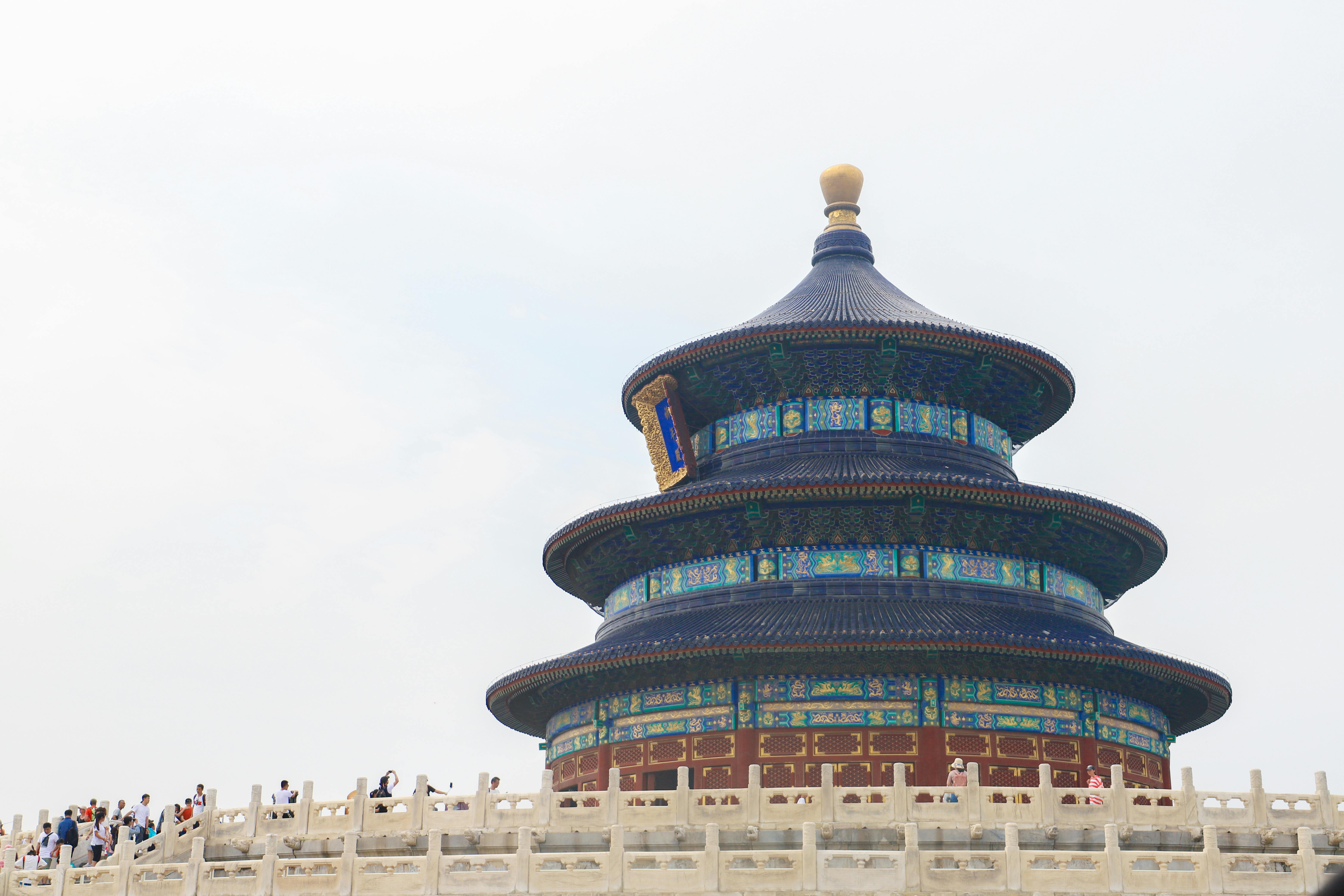
Temple of Heaven: Where Imperial Geometry Meets Everyday Beijing
At 8:10 a.m. on an April Tuesday, shoes scrape the stone paving below the Hall of Prayer for Good Harvests, and sunlight catches its blue tiles. The ¥34 combined ticket matters here: the cheaper park ticket does not get you into this courtyard. The Temple of Heaven makes more sense once you notice that distinction. It is both an imperial ceremonial site and a neighborhood park, with different rhythms on either side of the ticket checks. The park wakes before the monuments. Along the Long Corridor, conversation and card games can hold your attention almost as long as the famous roof. Keep a little distance; these are people spending their morning, not performers waiting for a camera. The main buildings deserve a slow look, especially the timber structure and the repeated patterns in the marble paving. But a rushed photo stop misses the place’s best contrast: monumental spaces designed for one emperor, now surrounded by ordinary Beijing life. Give it a morning rather than an hour, and wear shoes you trust.
Why the Temple of Heaven Matters
Completed in 1420 under the Yongle Emperor, the Temple of Heaven belongs to the same great Ming building program that produced the Forbidden City. Its purpose was different, though. Here, the emperor acted as the Son of Heaven, performing ceremonies intended to maintain harmony between the celestial order, the state and the agricultural year. During the Ming and Qing dynasties, those rituals carried political weight: a failed harvest could raise uncomfortable questions about a ruler’s legitimacy.
The design makes that relationship visible. Circular buildings represent heaven, while square forms represent earth, following a traditional Chinese cosmological model. At the Circular Mound Altar, repetitions of nine underline imperial status. The Hall of Prayer for Good Harvests turns the same concern toward the farming calendar.
Do not mistake age for untouched fabric. The hall seen today is a reconstruction completed in 1896 after a lightning fire in 1889. The larger complex became a public park in 1918 and gained UNESCO World Heritage status in 1998.
The frustrating part is access to the famous hall: visitors generally look through its doors rather than roam its interior, and tour groups can clog the approach. You get more from the site by reading its layout than by waiting for an empty doorway. Walk the full ceremonial axis if your legs allow it; the relationships between buildings explain what individual photographs leave out.
The Best Time to Experience the Temple of Heaven
Choose April 10–30 or May 6–20 for spring walking, and September 10–30 or October 8–25 for autumn. These windows usually avoid the worst summer heat and the main Labor Day and National Day rushes. Public-holiday arrangements vary, so check the actual days off before fixing your itinerary.
- Spring, April 10–May 20: Typical daytime temperatures are around 18–28°C (64–82°F), with mornings closer to 7–16°C (45–61°F). Wind and occasional dust can make an otherwise sunny day less comfortable. Bring a layer for the wind.
- Autumn, September 10–October 25: Expect roughly 16–28°C (61–82°F) during the day and 7–17°C (45–63°F) in the morning, with noticeably cooler conditions toward late October.
- Summer, June 15–August 31: Daytime temperatures commonly reach 28–34°C (82–93°F), sometimes higher. Humidity, thunderstorms and exposed marble courtyards make midday tiring. Start when the monuments open.
- Winter, December 1–February 28: Daytime highs are often around 0–6°C (32–43°F), while early mornings can fall to approximately -8–0°C (18–32°F). Gloves matter more than another camera lens; the open altar catches the wind.
Aim for the monument entrances at 8:00 a.m. The surrounding park opens earlier, which gives you time for the Long Corridor first. Check Beijing’s air-quality forecast, too; this is an outdoor-heavy visit, so swapping days can be more useful than sticking rigidly to a schedule.
Approximate Budget for a 7-Day Trip
This is a seven-day Beijing budget with one morning at the temple, not a week spent at the monument. Figures are per person in Chinese yuan (CNY), based on six nights in a private hotel room outside major holiday periods. International flights, visa costs and travel insurance are excluded.
- Accommodation: ¥2,100–3,300. Six nights at ¥350–550 for a straightforward, well-reviewed hotel near a metro station. Staying one or two stops beyond the most central sightseeing districts often improves value.
- Food: ¥700–1,120. Allow ¥100–160 daily for local breakfasts, noodle or dumpling lunches, and sit-down dinners. One substantial Peking duck meal may push a day above that range.
- Transport: ¥220–350. Covers regular metro journeys, an airport rail return and a few short taxi rides. Private Great Wall transfers would need a separate allowance.
- Attractions: ¥250–400. Includes the temple’s ¥34 high-season combined ticket, plus a selection such as the Forbidden City, Summer Palace and smaller museums or gardens. Private guides and cable cars cost extra.
- Miscellaneous: ¥150–250. Drinking water, a mobile data plan, laundry and small unplanned purchases.
Estimated total: ¥3,420–5,420 per person for seven days and six nights.
A hotel-arranged private transfer is often overpriced for this short city journey. A standard metro ride to Tiantandongmen usually costs about ¥3–6 from central Beijing. Paying more for a car does not remove the walking inside the park, though a taxi can still be worthwhile for visitors with limited mobility.
Essential Temple of Heaven Experiences
- Hall of Prayer for Good Harvests. This is the image everyone recognizes, but the painted timberwork deserves attention alongside the roof. Walk around the marble terrace to understand the hall’s proportions within its courtyard. Expect to view the interior from the doorway rather than wander between its columns.
- Danbi Bridge, the raised Sacred Way. Follow this roughly 360-meter ceremonial causeway south toward the Imperial Vault. Despite its name, it is not a conventional bridge over water. Notice how the raised route organizes your approach and separates the important spaces from the surrounding park.
- Imperial Vault of Heaven and Echo Wall. The small round vault once housed ceremonial spirit tablets. Its surrounding wall is famous for carrying sound along the curve. Skip if your only goal is a guaranteed whisper trick: barriers, crowds and background noise can make the demonstration impractical. The architecture is the more dependable attraction.
- Circular Mound Altar. Look for multiples of nine in the steps and paving of this open-air marble altar, used for winter-solstice sacrifices. The central stone draws a selfie queue. Stand back instead and notice how the broad, undecorated terraces direct attention toward the sky.
- Morning life along the Long Corridor. Find a seat at the edge rather than standing in the middle of someone’s game. You may see shuttlecock kicking, cards or musical practice, depending on the day. These activities are not scheduled entertainment; patience and discretion make you a better guest.
Hidden Gems Most Travelers Miss
- Fasting Palace, or Zhaigong: West of the main axis, this moated compound shows how the emperor prepared for ceremonies through ritual seclusion. Its walls and relatively restrained buildings offer a useful contrast to the main hall. Individual rooms and exhibitions can have restricted access.
- Seven-Star Stones, or Qixing Shi: Look near the Long Corridor for this group of carved stones. Count them: there are eight, not seven. The additional stone belongs to the Qing-period development of a grouping established during the Ming era.
- Double-Ring Longevity Pavilion: In the park’s northwestern area, two connected circular roofs form an unusual little architectural puzzle. It sits outside the main ceremonial sequence, so add it when you want a longer park walk rather than another ticket check.
- Nine-Dragon Cypress, or Jiulong Bai: Slightly overrated as a special photo detour. The dragon shapes in its bark take some imagination; enjoy it if you pass near the Imperial Vault, but do not cross the entire park just to find one tree.
Cultural & Practical Tips
- Carry your original passport. Keep the document used for any named booking with you. A phone photograph may not satisfy identity or concession checks.
- Test your payment app before sightseeing. Alipay and WeChat Pay can support eligible international cards, but setup and verification occasionally cause trouble. Carry some yuan as a backup rather than relying entirely on a foreign bank card.
- Do not buy park-only admission by mistake. It covers the grounds, not the principal monuments. If the famous hall is your priority, ask specifically for the combined ticket.
- Do not confuse park hours with monument hours. A 22:00 park closing time does not mean you can enter the main ceremonial courtyards after dinner. Their entrances close much earlier.
- Ask before taking close portraits. A smile and a gesture toward your camera usually communicate the question. Respect a refusal, and avoid blocking games or exercise groups.
- Decline unsolicited tea-shop invitations. Around Beijing’s major sights, apparently friendly introductions can lead to shops with inflated bills. Choose your own venue and see a priced menu before ordering.
- Plan for distance, not just weather. The walking adds up surprisingly quickly. Wear supportive shoes, carry water and save your intended exit gate in a map app that works in mainland China.
Essential Visitor Information
Location & Access: Temple of Heaven Park, No. 1 Tiantan Dongli, Dongcheng District, Beijing, China. The East Gate is on Tiantan East Road. GPS for the Hall of Prayer for Good Harvests: 39.8822° N, 116.4066° E. This pin is inside the park, so use a gate name for taxi navigation. The East Gate is approximately 4–5 km (2.5–3 miles) by road from Tiananmen Square.
- Metro: Take Line 5 to Tiantandongmen and use Exit A for the East Gate, a short walk away. Standard Beijing metro fares start at ¥3.
- Bus: Routes 6 and 34 serve Tiantan Beimen, the North Gate stop. Cash fares generally start at ¥2; the final fare depends on distance.
- Taxi or ride-hailing: Request “Tiantan Gongyuan Dongmen” for the East Gate. A metered journey from the Wangfujing area is often around ¥25–45, with congestion adding to the cost.
Tickets & Booking: Standard adult prices follow two seasons:
- April 1–October 31: Park-only admission ¥15; combined admission ¥34.
- November 1–March 31: Park-only admission ¥10; combined admission ¥28.
The combined ticket includes the park and the principal paid precincts: the Hall of Prayer for Good Harvests, Imperial Vault of Heaven with Echo Wall, and Circular Mound Altar. It does not automatically include every separately ticketed exhibition or specialist site.
Booking needed? No for standard individual gate admission, subject to capacity. Advance booking through the park’s official ticketing service is useful during Chinese public holidays. Bring your passport; if online identity verification proves awkward, use a staffed ticket counter rather than paying a large reseller markup.
Operating Hours:
- Park grounds, April 1–October 31: 06:00–22:00, with entry ending at 21:00.
- Park grounds, November 1–March 31: 06:30–22:00, with entry ending at 21:00.
- Main monuments, April 1–October 31: 08:00–17:30; last admission normally at 17:00.
- Main monuments, November 1–March 31: 08:00–17:00; last admission normally at 16:30.
- Monday closure: The main monument precincts close on Mondays except statutory public holidays. The surrounding park remains open. Temporary maintenance or weather restrictions can also affect access.
Visit Duration: Allow a minimum of 90 minutes for a hurried visit to the main monuments, excluding significant queues. Three to four hours is more comfortable for the ceremonial axis, Long Corridor, a garden detour and a rest.
Family Suitability: Yes, particularly for children who enjoy outdoor space and spotting patterns in buildings. Broad park paths generally work for strollers, but marble terraces, steps and thresholds complicate access around some monuments. Ask staff about alternative routes rather than assuming every terrace is step-free. Public toilets, benches and drink kiosks are available; bring snacks and avoid promising young children a short walk.
Timing: Mid-April through May and September through late October offer the best balance of walking weather and daylight, outside public holidays. Reach the East Gate around 07:30, then approach the paid monuments for their 08:00 opening.
Highlights:
- Hall of Prayer for Good Harvests and its marble terraces.
- Danbi Bridge and the north–south ceremonial axis.
- Imperial Vault of Heaven and Echo Wall.
- Circular Mound Altar.
- Long Corridor and the surrounding old trees.
Nearby & Day Trip: Choose your exit gate according to your next stop. Distances below are approximate and measured from the most convenient side of the park.
- Hongqiao Market: Across the road from the East Gate. Convenient for a browse, although opening prices for tourist-oriented goods can be inflated. Compare before buying pearls or other expensive items.
- National Natural History Museum: Around a 10–15-minute walk from the West Gate. A useful family pairing, but it requires its own reservation and should not be treated as a guaranteed walk-in stop.
- Qianmen and Dashilar: Roughly 2–3 km northwest of the park, depending on the route. Good for an afternoon walk and lunch, especially if you continue beyond the most heavily promoted storefronts.
- Taoranting Park: Approximately 3 km west, suitable if you prefer another local park to a shopping district.
The temple works comfortably as a half-day outing from central Beijing. For a full sightseeing day, combine it with the museum or Qianmen rather than trying to squeeze in the Great Wall, which deserves a separate trip.
Conclusion: Travel with Attention, Not Just a Checklist
The Temple of Heaven rewards attention more than speed. Its best lesson is not simply that emperors built on a grand scale, but that public life can give an old ceremonial landscape a different purpose. Look at the symmetry, then watch how people use the edges: a shaded seat, a familiar walking route, a stretch of paving for a game. You do not need a private car or a full day to make the visit count. You do need the right ticket and some room in the schedule. Choose a non-holiday weekday other than Monday and reach the monument entrances soon after 8:00 a.m.
Post a Comment