
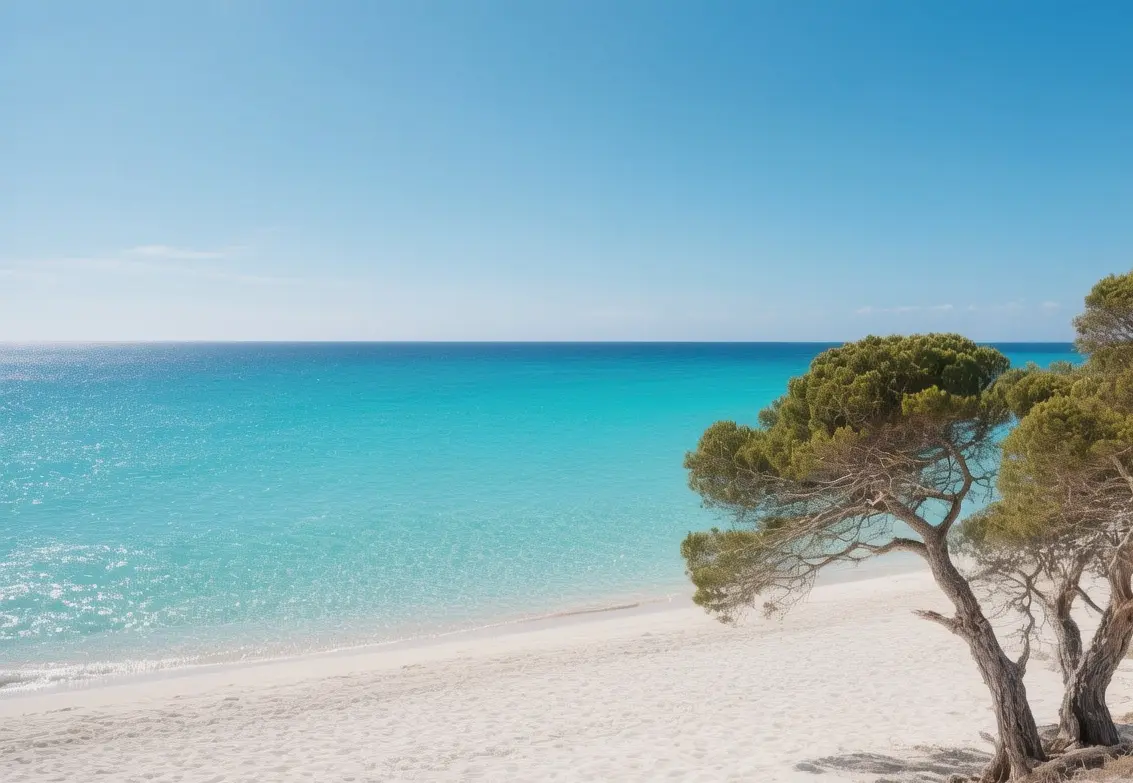
Formentera Pristine Beaches Turquoise Waters Meet Protected Sands
The water is so clear it feels like an illusion—a sheet of liquid glass revealing the white sand 15 meters below the surface. You stand on the edge of Ses Illetes, where the scent of salt mixes with the pungent aroma of wild juniper bushes. The silence is profound, broken only by the rhythmic lap of waves against the shore and the distant cry of a shearwater. This is not merely an island but a sanctuary, measuring only 83 square kilometers, where the ecosystem dictates the rules of engagement. You walk on sand composed of crushed shells and coral, protected by UNESCO designation since 1999, feeling the warmth of the sun on your skin. In 2026, as mass tourism threatens fragile coastlines globally, the Formentera pristine beaches remain a testament to restraint—a place where visitor numbers are capped and cars are restricted, demanding you slow down to truly respect the delicate balance of land and sea.
Why Formentera Pristine Beaches Embodies Ecological Restraint
The Formentera pristine beaches represent the gold standard for sustainable coastal tourism, solving the critical need to protect the Posidonia oceanica seagrass meadows that filter the water to crystal clarity. Designated a UNESCO World Heritage Site in 1999 as part of "Ibiza and Formentera," the island enforces strict regulations to preserve this underwater ecosystem, which produces oxygen and stabilizes the seabed. The engineering of conservation is evident in the access controls: private vehicles are heavily restricted, and a daily eco-tax of €2–€5 is levied on visitors to fund environmental projects. The beaches themselves are dynamic; Ses Illetes is a sandbar that shifts shape with the winter storms, requiring constant monitoring by the Consell Insular.
The geography creates a unique microclimate: the island lies just 2 kilometers south of Ibiza, yet maintains a distinct, quieter identity. The water temperature remains mild year-round, averaging 14°C (57°F) in winter and 26°C (79°F) in summer, due to the shallow depths of the meadows. This integration of biology, policy, and tourism makes the Formentera pristine beaches not merely a vacation spot but a living laboratory of sustainability. The island limits hotel construction to low-rise structures, ensuring no building exceeds the height of the pine trees. This concentration of natural beauty and regulatory protection makes it a pilgrimage site for eco-travelers, where every footprint is measured against the health of the seagrass below.
The Best Time to Experience Formentera Pristine Beaches
For the optimal Formentera pristine beaches experience, target May 15–June 12 or September 10–October 5, when temperatures range between 20–28°C (68–82°F) and the water is warm enough for swimming without the peak summer crowds. The ferry terminals open at 7:00 AM daily; arrive by 8:30 AM to secure a spot on the morning boat from Ibiza before the day-tripper rush. Sunset at Cap de Barbaria—specifically 8:00–9:30 PM in summer—offers magical lighting, though the return ferries stop running at 10:00 PM. Spring coincides with the Flower Power festival in nearby Ibiza, causing accommodation prices to increase 30–50%; book lodging three months in advance if visiting during this period.
Avoid July 15–August 25 unless you tolerate extreme heat and maximum capacity; temperatures regularly exceed 32°C (90°F), and the beaches reach their daily visitor limit by 11:00 AM. The lack of shade on the sandbars exacerbates the heat, and ferry queues can exceed 2 hours. Winter months (November–March) bring mild weather (12–18°C / 54–64°F) but many beach facilities and restaurants close for the season. Some ferry schedules reduce frequency in low season; verify current status at www.formentera.es or contact the tourist office at info@formentera.es (+34 971 322 022). Weekday mornings typically see the lowest visitor density, allowing for clearer photography of the turquoise waters without obstruction from crowds.
Approximate Budget for a 7-Day Trip (2026)
Formentera is one of the Mediterranean's more exclusive destinations, with prices reflecting its protected status and limited supply. The following budget assumes mid-range comfort with a focus on sustainability and local experiences, based on 2026 pricing with approximately 3.5% inflation from 2025 figures. Estimates include stays in La Savina or Es Pujols for easy access to the Formentera pristine beaches.
- Accommodation: €120–€250 per night for a double room in a boutique hotel or apartment in Es Pujols; luxury beachfront villas command €400–€1,000 per night
- Food: €50–€80 per day—breakfast €10–€15 (café con leche and pastry), lunch €20–€35 (beach club meal including paella and wine), dinner €30–€50 (restaurant seafood including peix sec and salad)
- Transportation: Ferry from Ibiza to Formentera: €40 round-trip; local bus: €3.50 per ride; bicycle rental: €15 per day; scooter rental: €45 per day; taxi: €20 fixed rate within zones
- Attractions: Beach access: free; Eco-tax: €2–€5 per day; Lighthouse of La Mola: €5; Boat rental: €150 per half-day; Guided nature tour: €40
- Miscellaneous: Local crafts from €20; hierbas liqueur €15–€30 per bottle; sunscreen €12; artisan jewelry €40–€100; beach towel €25
Total estimated cost for 7 days: €2,000–€3,500 per person (based on double occupancy; solo travelers should add 40–50% for single supplements)
7 Essential Formentera Pristine Beaches Experiences
- Walk Ses Illetes Sandbar: Traverse the iconic 500-meter sandbar connecting the island to the islet. The water is shallow and turquoise on both sides. Visit at 9:00 AM opening time to experience the beach before crowds obscure the view. The sand is fine and white. Allow 2 hours to walk and swim. This is the anchor of the Formentera pristine beaches; do not miss the viewpoint.
- Swim at Es Trucadors: Explore the southern tip of Ses Illetes within the natural park. The water is deeper and calmer. Visit between 11:00 AM–1:00 PM when the light illuminates the seabed. The area is protected by Posidonia meadows. Entry is free. It demonstrates the ecological importance of the reserve.
- Cycle the Island: Rent a bicycle to explore the 30 kilometers of paved paths. The terrain is flat and easy. Visit at 8:00 AM when the air is coolest. The route connects La Savina to La Mola. It reveals the rural interior beyond the coast.
- Visit La Mola Lighthouse: Climb to the easternmost point of the island. The lighthouse stands 110 meters above sea level. Visit at 5:00 PM when the light is soft. The views over the open sea are panoramic. Entry costs €5. It provides historical context for maritime navigation.
- Dine at Juan y Andrea: Eat at the famous beach club on Ses Illetes. The seafood paella is legendary. Visit at 2:00 PM for lunch when the atmosphere is lively. Reservations essential: +34 971 329 303. This combines culinary tradition with beach life.
- Watch Sunset at Cap de Barbaria: Position yourself on the cliffs at the southern tip. The sun sets directly into the sea. Visit at 8:30 PM in summer or 6:30 PM in winter. Bring a blanket and local wine. It creates a magical end to the day. This is the quintessential Formentera pristine beaches moment.
- Explore Es Pujols: Wander the streets of the main resort town. The shops sell local crafts and clothing. Visit at 10:00 AM when stores open. The harbor is filled with fishing boats. It reveals the commercial heart of the island.
3 Hidden Gems Most Travelers Miss
- Cala Saona: Located on the west coast near Es Pujols, this small cove is sheltered by red cliffs. Entry is free; open 24 hours. It is often overlooked as visitors focus on Ses Illetes. The water is calm and emerald green. Contact: N/A. Visit early morning for photography without crowds. The scenery is dramatic and intimate.
- Estany des Peix: A 10-minute drive from La Savina, this saltwater lagoon separates the main island from La Savina. Entry is free; open 24 hours. It is often overlooked by tourists rushing to the beaches. The flamingos feed here in spring. Contact: N/A. Visit mid-morning when light illuminates the birds. The perspective allows you to see the salt flats.
- Cap de Barbaria Lighthouse: Located at the southernmost point, this active lighthouse offers rugged views. Entry is free; open daylight hours. It is often overlooked due to the rough access road. The cliffs drop 100 meters to the sea. Contact: N/A. Visit late afternoon when the light is golden. The perspective allows you to see the African coast on clear days.
Cultural & Practical Tips
- Eco-tax compliance: The Formentera pristine beaches are funded by a daily tourist tax. Pay the fee upon arrival or at your accommodation. The funds support waste management and conservation. Fines for evasion can reach €300. Keep your receipt.
- Master these phrases: "Buenos días" (BWEH-nos DEE-as) for good morning; "Por favor" (por fah-BOR) for please; "¿Cuánto cuesta?" (KWAN-toh KWES-tah) to ask price; "La cuenta, por favor" (lah KWEN-tah) to request the bill.
- Photography guidelines: Drones require special permission from local authorities due to nature reserve status. Flash photography is discouraged in crowded areas. Respect privacy when photographing other beachgoers. Early morning offers the best light without crowds. The golden hour lasts approximately 30 minutes.
- Water scarcity: Formentera has limited fresh water; showers should be short. Do not leave taps running. The tap water is desalinated and safe but salty; drink bottled water. You'll save €2–€3 by carrying a refillable bottle. Purchase water from kiosks if needed.
- Sun protection: The reflection off the white sand intensifies UV rays. Use reef-safe sunscreen to protect the Posidonia. Wear a hat and sunglasses. The UV index regularly exceeds 9 in summer. Seek shade between 12:00–4:00 PM. You'll prevent sunburn and heat exhaustion.
- Transportation: Private cars are restricted in summer; use buses or bicycles. Ferries from Ibiza book out weeks in advance. Allow an extra 30 minutes for boarding procedures. Scooters are popular but dangerous on sandy roads. Wear helmets.
- Security awareness: While the area is generally safe, theft can occur from unattended bags on beaches. Keep valuables secure. Do not leave phones on towels. Allow an extra 15 minutes to pack up gear before leaving. Report suspicious activity to local police.
Conclusion: Travel with Reverence, Not Just Reverie
The Formentera pristine beaches demand more than casual sunbathing—they ask for contemplation of the delicate balance between human enjoyment and ecological preservation. When you walk these sands in 2026, you're not merely visiting a destination; you're participating in a fragile ecosystem where turquoise waters, seagrass meadows, and sustainable tourism intersect in delicate balance.
Choose to engage deeply: respect the eco-tax that funds conservation, support local businesses alongside international brands, and understand that this island is a protected reserve, not just a playground. The Formentera pristine beaches survive not as a theme park but as a natural heritage—and their preservation depends on visitors who recognize the difference between appreciation and consumption.
Slow down. Sit on the dunes after the day-trippers depart. Listen to the wind whispering through the juniper. Watch the sunset paint the Mediterranean in shades of gold and violet. The beaches reward those who approach them not as a checklist item but as a conversation with nature—a dialogue between human presence and ecological limits that continues, like the tides, in perpetual motion.