
Galicia Rías Atlantic Tides Meet Ancient Maritime Tradition
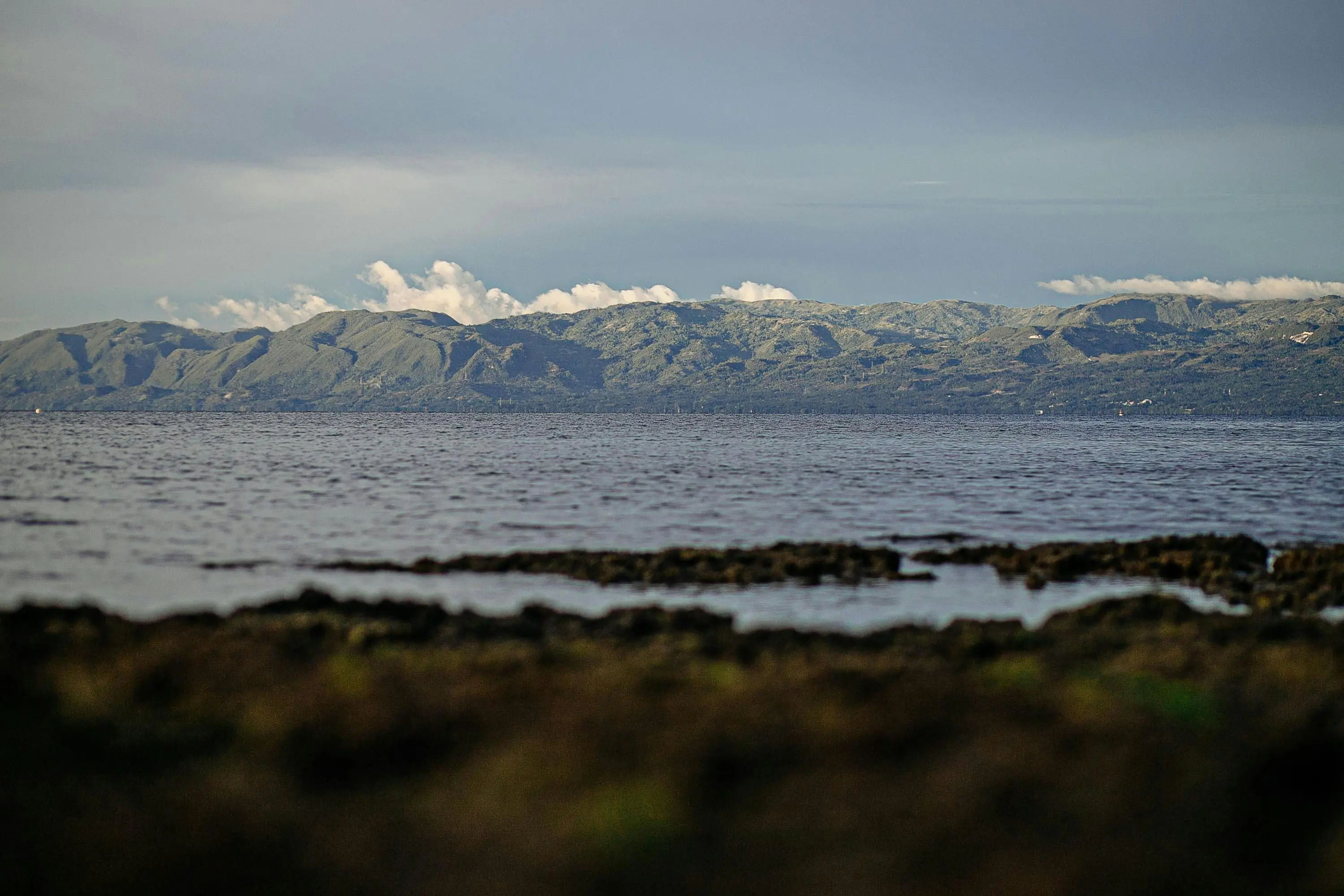
The morning mist clings to the water as dawn breaks over the Ría de Vigo—your lungs fill with air thick with salt spray and the resinous scent of eucalyptus forests drifting from the steep hillsides. Stretching over 1,500 kilometers of coastline, the Galicia rías present a drowned landscape where river valleys were flooded by rising sea levels, creating deep inlets that serve as natural harbors for fishing villages unchanged for centuries. You stand on the pier in Combarro, watching the tide recede to reveal centuries-old hórreos (granaries) perched on stone pillars, while the distant hum of outboard motors signals the return of the fleet. The light is diffuse, filtering through the characteristic brétema—the Galician fog that sustains the region's intense verdancy. In 2026, as coastal development homogenizes shorelines across Europe, this place matters now more than ever: it remains one of the last wild frontiers where the ocean dictates the rhythm of life, demanding that you respect the power of the Atlantic rather than attempt to tame it.
Why Galicia Rías Embodies Coastal Resilience
The Galicia rías represent far more than a scenic drive—they stand as a geological collision zone where the Atlantic Ocean meets the Iberian Peninsula without a coastal plain to soften the impact. When the sea levels rose at the end of the last Ice Age approximately 10,000 years ago, the region faced a critical erosional challenge: how to drain massive water volumes through steep valleys directly into the sea. The solution was a network of four main ría groups (Rías Altas, Rías Medias, Rías Baixas, and Rías Altas) that create natural harbors for fishing villages while protecting the interior from the full force of winter storms. This geography solved the historical need for sheltered ports, allowing settlements like Baiona and Viveiro to thrive as trading hubs since the Roman era. The coastline is punctuated by over 200 beaches, ranging from wide sandy bays to secluded coves accessible only by foot, creating a diversity of landscapes within a 100-kilometer stretch.
The ecological specifics reveal the richness of the environment: the coastal waters are nutrient-rich due to upwelling currents, supporting a biodiversity that includes bottlenose dolphins, seals, and over 200 species of fish. On land, the humid oceanic climate sustains deciduous forests of oak and chestnut that grow right to the cliff edge, a phenomenon rare in southern Europe. The famous bateas (floating mussel platforms) dot the Ría de Arousa, producing over 250,000 tons of mussels annually, a hydraulic engineering feat perfected over 80 years. Today, the coast fulfills a dual need: functioning as a working landscape for fisheries and agriculture while serving as a protected destination for sustainable tourism. With 2.5 million annual visitors, the Galicia rías remain ecologically viable through strict building regulations enforced by the Xunta de Galicia, preserving a dialogue between human industry and wild nature that defines the northern Spanish identity.
The Best Time to Experience Galicia Rías
While the shores of the Galicia rías remain accessible year-round, your experience depends heavily on the maritime climate of the Atlantic coast and the tourism calendar. For optimal visiting conditions, target May 20–June 25 or September 10–October 15, when daytime temperatures average 18–24°C (64–75°F) and rainfall is moderate. During these windows, you'll explore the cliffs and beaches comfortably without the heavy rains of winter or the crowds of summer. The light during these months also enhances the emerald vegetation, creating ideal photography conditions for the contrast between green hills and blue sea.
For the most atmospheric experience, arrive between 8:00–10:00 AM when the morning mist lifts off the water and wildlife is active, or during golden hour (8:30–10:00 PM in summer, 6:30–8:00 PM in winter) when the sun sets behind the headlands. Early morning visits offer the clearest air for viewing the distant Cíes Islands. Winter months (December–February) bring colder temperatures of 8–14°C (46–57°F) and frequent storms, which dramatically reduces crowds but requires warm clothing for outdoor viewing. The coast looks dramatic under stormy skies, though some coastal paths may close due to high waves.
Avoid August 1–20 and Spanish national holidays (August 15 Assumption Day) when daily visitor numbers spike and accommodation prices double. Midday visits during peak season create bottlenecks at popular beaches like Praia de Rodas. For real-time weather and tide alerts,.
Approximate Budget for a 7-Day Trip (2026)
The Galicia region offers good value compared to major Spanish cities, though prices have risen 23% since 2020 due to rural tourism growth and inflation. This budget assumes moderate comfort—clean, well-located rural houses; authentic meals at seaside restaurants; and selective paid attractions. Prices reflect 2026 rates with approximately 4% annual inflation factored into estimates. This budget covers a relaxed 7-day stay based in Vigo or Pontevedra with day trips along the coast.
Accommodation: €85–€160 per night for a double room in a casa rural (country house) or coastal hotel; budget hostels from €50/night
Food: €45–€75 per day
-
• Breakfast: €5–€9 (café con leche €3, filloas pancakes €5)
• Lunch: €20–€35 (menú del día includes soup, main course like pulpo a feira, dessert, wine/water)
• Dinner: €25–€45 (grilled hake €18, seafood platter €30, glass of Albariño wine €5)
Transportation:
-
• Car rental (essential for coast): €55–€75 per day (compact recommended)
• Fuel: €1.65 per liter (approx. €170 for week)
• Bus from Santiago to Vigo: €10 one-way (Monbus, 1 hour)
• Taxi from train station to accommodation: €20–€35
Attractions:
-
• Cíes Islands Ferry: €25 round-trip
• Castro de Santa Tegra: €5
• Aquarium Finisterrae: €12
• Guided coastal boat tour: €35
• Lighthouse entry (Faro de Cabo Home): Free
Miscellaneous:
-
• Local wine bottle (Albariño): €12–€20
• Handcrafted ceramics: €25–€60
• Travel insurance: €55 for week
• Souvenir tinned fish: €10–€20
Total for 7 days (per person, double occupancy): €1,100–€1,700
7 Essential Galicia Rías Experiences
- Visit the Cíes Islands: Take the ferry from Vigo or Cangas between 9:00–10:00 AM to avoid crowds. The beach at Praia de Rodas is often cited as the best in the world. The water is turquoise and clear. The wind is often strong on the exposed sections—secure loose items. This is the core experience of the national park and should not be rushed.
- Explore Combarro Village: Walk the waterfront of this fishing village near Pontevedra. Access: 10-minute drive from Pontevedra, open 24 hours. Free entry. Insider tip: Visit at low tide to see the hórreos standing in the water. It provides the best opportunity for photography without the crowds. The stone granaries date back to the 18th century.
- Walk the Camino de la Costa: Hike a section of the coastal pilgrimage route near Baiona. The 5-kilometer trail is flat and shaded, making it suitable for families. You will see medieval crosses and ocean views. Allow 2 hours for the walk. Bring water as there are no services along the trail. The connection between history and landscape is striking here.
- Dine on Fresh Seafood: Reserve a table at a restaurant in the port of O Grove. Order the local specialty percebes (goose barnacles) while watching the light change on the boat facades. Evening dining (9:30 PM) allows you to see the port illuminated against the night sky. The shellfish are exceptional, caught daily by the local fleet.
- Visit the Castro de Santa Tegra: This Iron Age hillfort sits on a mountain overlooking the Minho river mouth. Access: Road from A Guarda, open 10 AM–8 PM, €5 entry. Insider tip: Visit at sunset when the light hits the stone circles. It provides context for the pre-Roman history you're experiencing. The views of the ría are unmatched.
- Taste Albariño Wine: Visit a winery in the Rías Baixas DO region. The 30-minute tour explains the unique grape variety. You will see the parras (grape vines) growing on granite posts. Allow extra time to enjoy the tasting. The connection between terroir and taste is remarkable here.
- Attend the Rapa das Bestas (If Visiting in July): If visiting during the first weekend of July in Sabucedo, witness the traditional wild horse gathering. The mountain fills with locals, horses, and festivities. Book accommodation 6 months in advance as hotels fill completely. The event is spectacular. This showcases the community spirit that keeps the tradition alive.
3 Hidden Gems Most Travelers Miss
- Praia de Areas: While most visitors focus on Rodas, this long sandy beach on the mainland near Baiona offers a wilder experience. Access: Road from Baiona, open 24 hours, free. Insider tip: Visit at low tide to explore the rock pools. Bring sturdy shoes as the access path is unpaved. The dunes are protected, predating the urban development. It provides context for the natural coastline you're experiencing beyond the islands.
- Castro de Baroña: Located near Porto do Son, this coastal hillfort is often overshadowed by Santa Tegra. Access: Road from Noia, open 24 hours, free entry. Insider tip: The stone walls sit directly on the cliff edge. It provides context for the defensive history you're experiencing. The waves crash below the ruins. It is often overlooked by those rushing to the beaches.
- Faro de Cabo Home: A specific lighthouse located on the Morrazo peninsula, accessible via a coastal path often overlooked by tour groups. This rocky outcrop offers a secluded spot for reflection away from tourist crowds. Access: Follow the signs from Cangas, look for the marked trail. Insider tip: Bring binoculars. Dolphins frequently swim in the bay here. Best visited late afternoon when the light hits the water. The views of the Ría de Vigo are breathtaking.
Cultural & Practical Tips
- Photography etiquette: Drones require permission from the local council—fines up to €500 for violations. Street photography of locals requires verbal consent; a simple "¿Puedo?" (PWEH-doh) shows respect. Flash photography is prohibited inside museums to protect the artwork.
- Dress code for venues: Shoulders and knees should be covered for church visits in fishing villages. Carry a lightweight scarf even in summer. Remove hats when entering religious spaces.
- Respect seafood culture: Do not order percebes if you are squeamish; they are an acquired taste. Share dishes family style. Quiet hours are enforced in residential areas after 11 PM.
- Essential phrases: "Bos días" (bos DEE-as) = "Good morning" in Galician; "¿Onde está o baño?" (ON-deh es-TA o BA-nyo) = "Where is the bathroom?"; "A conta, por favor" (a KON-ta por fa-BOR) = "The bill, please."
- Weather preparedness: The region experiences frequent rain year-round. Nights can be 10°C cooler than days. Bring layers and a waterproof jacket. Winter visits require sturdy shoes for potentially slick coastal paths.
- Tipping customs: Round up restaurant bills or leave 5–10% for exceptional service. Not tipping is acceptable but leaving small change shows appreciation. Taxi drivers appreciate small change rounded up to the nearest euro.
- Accessibility information: The coastal paths are uneven and steep, making wheelchair access challenging. The visitor centers are accessible. Contact the tourism office for adapted route maps along the promenade.
Conclusion: Travel with Reverence, Not Just Checklist Tourism
The Galicia rías have witnessed nearly 2,000 years of human history—Roman ships seeking shelter, fishermen mending nets beside sunbathers, a village becoming a cosmopolitan hub. When you walk these sands in 2026, you're not just capturing images for your gallery; you're stepping into a living narrative of elegance and resilience. The waves crashing against the seawall never imagined they would lap at the feet of tourists from every corner of the globe; the architects who designed the promenade never conceived their work would become an icon of leisure.
But here's what separates meaningful travel from tourism: this coast doesn't need your footprint—it needs your reverence, your willingness to understand the complexity of coastal preservation, to recognize that each visitor adds wear to structures that cannot be easily replaced. In an age of overtourism, Galicia offers a masterclass in balance—showing us that some wonders demand we subordinate our desire for access to the greater need for protection. Walk the promenade, yes, but emerge with something deeper than souvenirs: carry forward a commitment to protect not just this coast, but all the fragile, irreplaceable treasures that connect us to our shared human history.