
Jerez Sherry Bodegas Oak Casks Meet Andalusian Sun
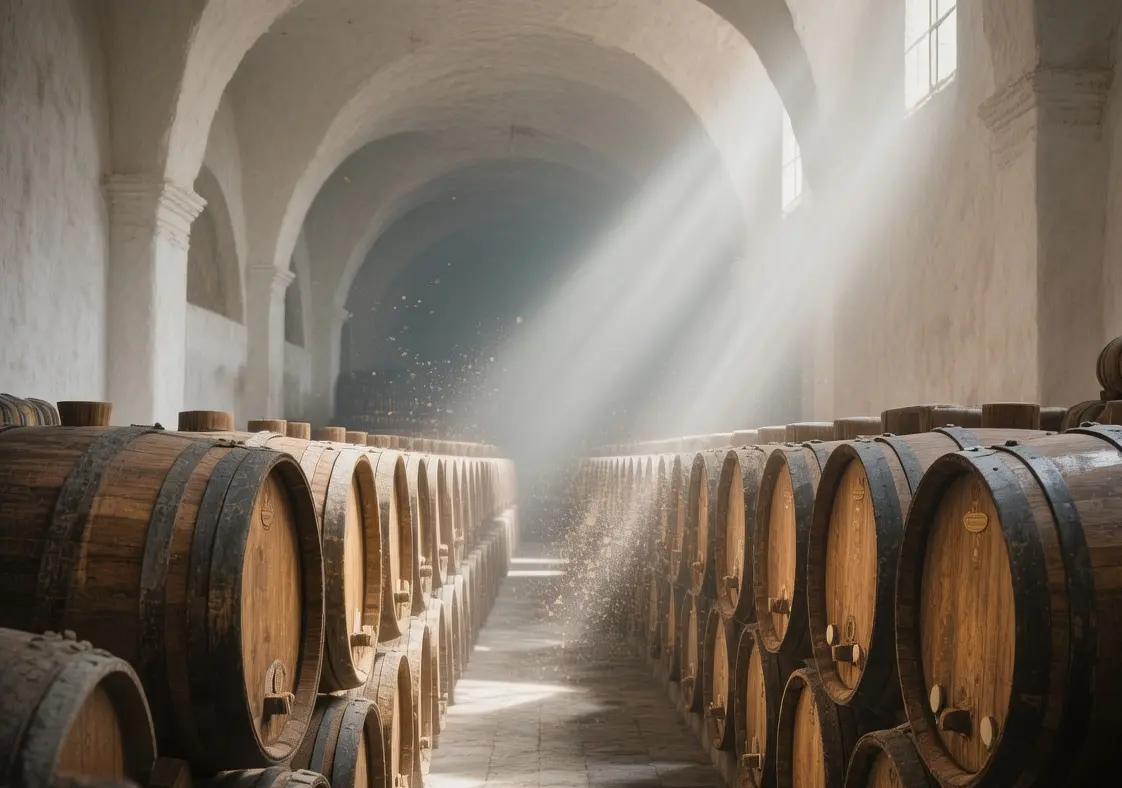
The air inside the Jerez sherry bodegas is cool and heavy—a sharp, alcoholic tang that has permeated these walls since the 18th century. You stand in the dim light of the Gonzalez Byass cellar, where rows of American oak casks stretch into the darkness like silent sentinels. The temperature is a constant 18°C (64°F), a stark contrast to the 35°C (95°F) heat baking the white streets of Jerez de la Frontera outside. You hear the distant drip of wine moving through the solera system; the murmur of a guide explaining the difference between Fino and Oloroso; the silence of the flor yeast layer protecting the aging liquid. This is not merely a winery but a living library of flavors, where the Jerez sherry bodegas preserve a method of aging that dates back to the Phoenicians. You trace the chalk mark on a barrel, feeling the weight of history in every drop. In 2026, as industrial production homogenizes taste, the Jerez sherry bodegas remain a sanctuary of tradition—a place where time is measured in vintages, demanding you slow down to truly savor the complexity of the past.
Why Jerez Sherry Bodegas Embodies Liquid Heritage
The Jerez sherry bodegas represent the pinnacle of fortified wine production, solving the critical need to preserve wine in a hot climate while creating a product that improves with age. The region's unique albariza soil, composed of 40% chalk, retains moisture during the scorching Andalusian summers, allowing the Palomino grape to thrive. The engineering of the bodegas themselves is a masterpiece of passive climate control: high ceilings (up to 12 meters), thick walls of adobe, and north-facing windows oriented to catch the cool sea breezes from the Atlantic, just 15 kilometers away. This design maintains the constant temperature and humidity required for the solera system, a dynamic aging process developed in the 17th century.
The solera involves stacking barrels in tiers (criaderas), where wine is progressively blended from oldest to youngest. A single bottle of Amontillado may contain wine from over 30 different vintages, some dating back 50 years. Major houses like Gonzalez Byass (founded 1835) and Lustau (founded 1896) maintain soleras that predate the industrial revolution. This integration of geology, architecture, and biochemistry makes the Jerez sherry bodegas not merely a tourist attraction but a functional ecosystem of flavor. The region produces over 110 million liters of sherry annually, yet the traditional methods remain largely unchanged. This concentration of heritage makes it a pilgrimage site for oenophiles, where every sip tells a story of sun, soil, and centuries of patience.
The Best Time to Experience Jerez Sherry Bodegas
For the optimal Jerez sherry bodegas visit, target September 10–October 15 or April 15–May 20, when temperatures range between 18–28°C (64–82°F) and the vineyards are either harvesting or blooming. The bodegas open at 10:00 AM daily; arrive at 9:45 AM to enter with the first tour group before the midday heat sets in. Late afternoon tastings between 5:00–7:00 PM offer a relaxed atmosphere, though some bodegas close for siesta between 2:00–5:00 PM. Spring coincides with the Feria del Caballo in May, causing accommodation prices to increase 50–70%; book lodging four months in advance if visiting during this period.
Avoid July 15–August 25 unless you tolerate extreme heat; temperatures regularly exceed 38°C (100°F), making the walk between bodegas uncomfortable. The lack of shade in the industrial zones exacerbates the heat. Winter months (December–February) bring mild weather (10–18°C / 50–64°F) but shorter daylight hours. Some bodegas reduce tour frequency in low season; verify current hours at www.sherry.wine or contact the regulatory council at info@sherry.wine (+34 956 357 500). Weekday mornings typically see the lowest visitor density, allowing for clearer photography of the casks without obstruction from large tour groups.
Approximate Budget for a 7-Day Trip (2026)
Jerez de la Frontera offers excellent value for cultural travelers, with costs generally 20–30% lower than Seville or Málaga. The following budget assumes mid-range comfort with a focus on wine tourism and local gastronomy, based on 2026 pricing with approximately 3.5% inflation from 2025 figures. Estimates include stays in the historic center for easy access to the Jerez sherry bodegas.
- Accommodation: €70–€140 per night for a double room in a boutique hotel or casa rural in Centro or San Miguel neighborhoods; luxury paradores command €180–€350 per night
- Food: €40–€60 per day—breakfast €5–€8 (café con leche and tostada), lunch €15–€25 (menú del día including rabo de toro, salad, and local wine), dinner €20–€30 (tapas selection including jamón ibérico and ortiguillas)
- Transportation: Train from Seville Santa Justa to Jerez: €14 high-speed AVANT (1 hour); local bus within Jerez: €1.20 per ride or €3.50 daily pass; taxi from station: €10 fixed rate; regional car rental: €40 per day
- Attractions: Jerez sherry bodegas tour: €15–€30; Royal Andalusian School of Equestrian Art: €20; Alcázar of Jerez: €5; Flamenco show: €25; Tasting menu: €40
- Miscellaneous: Sherry bottles from €10; local brandy €15–€30 per bottle; hornazo pastry €8; artisan leather goods €30–€70; wine stopper €15
Total estimated cost for 7 days: €900–€1,350 per person (based on double occupancy; solo travelers should add 35–45% for single supplements)
7 Essential Jerez Sherry Bodegas Experiences
- Tour Gonzalez Byass (Tio Pepe): Visit the most famous bodega, founded in 1835. The tour includes the historic soleras and the Tio Pepe statue. Visit at 10:00 AM opening time to experience the cellars before crowds obscure the view. The tasting includes Fino, Amontillado, and Oloroso. Allow 90 minutes for the full experience. This is the anchor of the Jerez sherry bodegas route; do not miss it.
- Taste at Bodega Lustau: Explore the "Almacenes de la Calle Arcos" in the city center. The bodega is smaller and more intimate than the industrial giants. Visit between 11:00 AM–1:00 PM when the light illuminates the barrels. The tasting focuses on rare, small-batch sherries. Entry costs €15. It demonstrates the artisanal side of production.
- Watch the Horse Show: Attend the "How the Andalusian Horses Dance" show at the Royal School. The performance lasts 1 hour and features dressage to flamenco music. Visit at 12:00 PM or 5:00 PM. Tickets cost €20. It reveals the equestrian culture intertwined with sherry history.
- Visit the Alcázar: Explore the 11th-century Moorish fortress overlooking the city. The gardens feature olive trees and fountains. Visit at 4:00 PM when the temperature cools. Entry costs €5. The view from the tower extends to the vineyards. It provides historical context for the region.
- Dine at a Tabanco: Eat at a traditional wine bar like Tabanco El Pasaje. Order manzanilla and tapas in a standing-room-only setting. Visit at 9:00 PM for dinner when the atmosphere is lively. The walls are covered in sherry labels. It is the most authentic spot in Jerez; arrive early to secure a spot.
- Explore the Cathedral: Visit the 18th-century Cathedral of Jerez. The baroque facade is striking. Visit at 10:00 AM when the light illuminates the interior. Entry is free. It anchors the religious life of the sherry community. The architecture rivals Seville's.
- Attend a Flamenco Show: Experience authentic flamenco in a peña or theater. The acoustics in the old buildings are exceptional. Events typically start at 9:00 PM. Tickets range €20–€40 depending on the venue. The atmosphere is intimate and passionate. Follow local listings for schedule updates.
3 Hidden Gems Most Travelers Miss
- Bodega La Ina: Located at Calle Larga, 2, this historic bodega dates to 1840 and is known for its Fino. Entry: €12; open 10:00 AM–6:00 PM. It is often overlooked as visitors focus on Tio Pepe. The architecture is stunning. Contact: +34 956 357 500. Visit early morning for photography without crowds. The tasting room is intimate.
- Museum of Time (Museo del Tiempo): A 5-minute walk from the Alcázar at Plaza del Arenal, this museum features antique clocks and watches. Entry: €6; open 10:00 AM–6:00 PM. It is often overlooked by tourists rushing to the bodegas. The collection is unique in Andalusia. Contact: +34 956 357 500. Visit mid-morning when light illuminates the exhibits. The perspective allows you to see the passage of time.
- Church of San Miguel: Located in the Santiago neighborhood, this 15th-century Gothic church features a stunning altarpiece. Entry: €3; open 10:00 AM–6:00 PM. It is often overlooked as visitors focus on the Cathedral. The architecture is a mix of Gothic and Baroque. Contact: +34 956 357 500. Visit late afternoon when the light is soft. The perspective allows you to see the local neighborhood.
Cultural & Practical Tips
- Tasting etiquette: In the Jerez sherry bodegas, it is customary to toast with "Salud" (health). Do not swirl sherry aggressively like red wine; gently nose it. Spit buckets are provided; use them if tasting multiple varieties. Respect the pourer's instructions.
- Master these phrases: "Buenos días" (BWEH-nos DEE-as) for good morning; "Por favor" (por fah-BOR) for please; "¿Cuánto cuesta?" (KWAN-toh KWES-tah) to ask price; "La cuenta, por favor" (lah KWEN-tah) to request the bill.
- Photography guidelines: Photography is permitted in most bodegas but flash is prohibited to protect the wine. Tripods require special permission. Respect "no fotos" signs in private aging areas. Early morning offers the best light without crowds.
- Driving warnings: Do not drive after tasting. The alcohol content of sherry ranges from 15–22%. Police checkpoints are common in the region. Use taxis or guided tours for bodega hopping. Fines for DUI are severe.
- Hydration strategy: Sherry is salty and dehydrating; drink water between tastings. Public fountains (fuentes) are available in the plazas. The water is potable. You'll save €2–€3 daily and reduce plastic waste. Purchase water from kiosks if fountains are unavailable.
- Weather considerations: The region enjoys 300 days of sunshine annually, but the terral wind can bring sudden heat in summer. Bring a light jacket for evening breezes even in summer. Winter temperatures rarely drop below 10°C (50°F). Rain is rare but possible in November; the stone surfaces become slick when wet.
- Security awareness: While the area is generally safe, pickpockets operate in crowded markets and festivals. Keep bags zipped and valuables secure. Do not leave phones on café tables. Allow an extra 15 minutes for security processing during Feria season. Report suspicious activity to local police.
Conclusion: Travel with Reverence, Not Just Reverie
The Jerez sherry bodegas demand more than casual tasting—they ask for contemplation of the layers of history embedded in every oak cask, every drop of flor, every solera built by hands long turned to dust. When you walk these cellars in 2026, you're not merely visiting a winery; you're participating in a fragile ecosystem where Andalusian tradition, biochemistry, and modern tourism intersect in delicate balance.
Choose to engage deeply: respect the aging process that takes decades, support traditional bodegas alongside international brands, and understand that this liquid heritage is a shared resource. The Jerez sherry bodegas survive not as a theme park but as a living tradition—and their preservation depends on visitors who recognize the difference between appreciation and consumption.
Slow down. Sit in the tabanco after the tours depart. Listen to the clink of glasses and the murmur of locals. Watch the light shift across the barrels. The bodegas reward those who approach them not as a checklist item but as a conversation between past and present—a dialogue between the winemakers of the 18th century and modern travelers that continues, like the aging wine, in perpetual motion.