
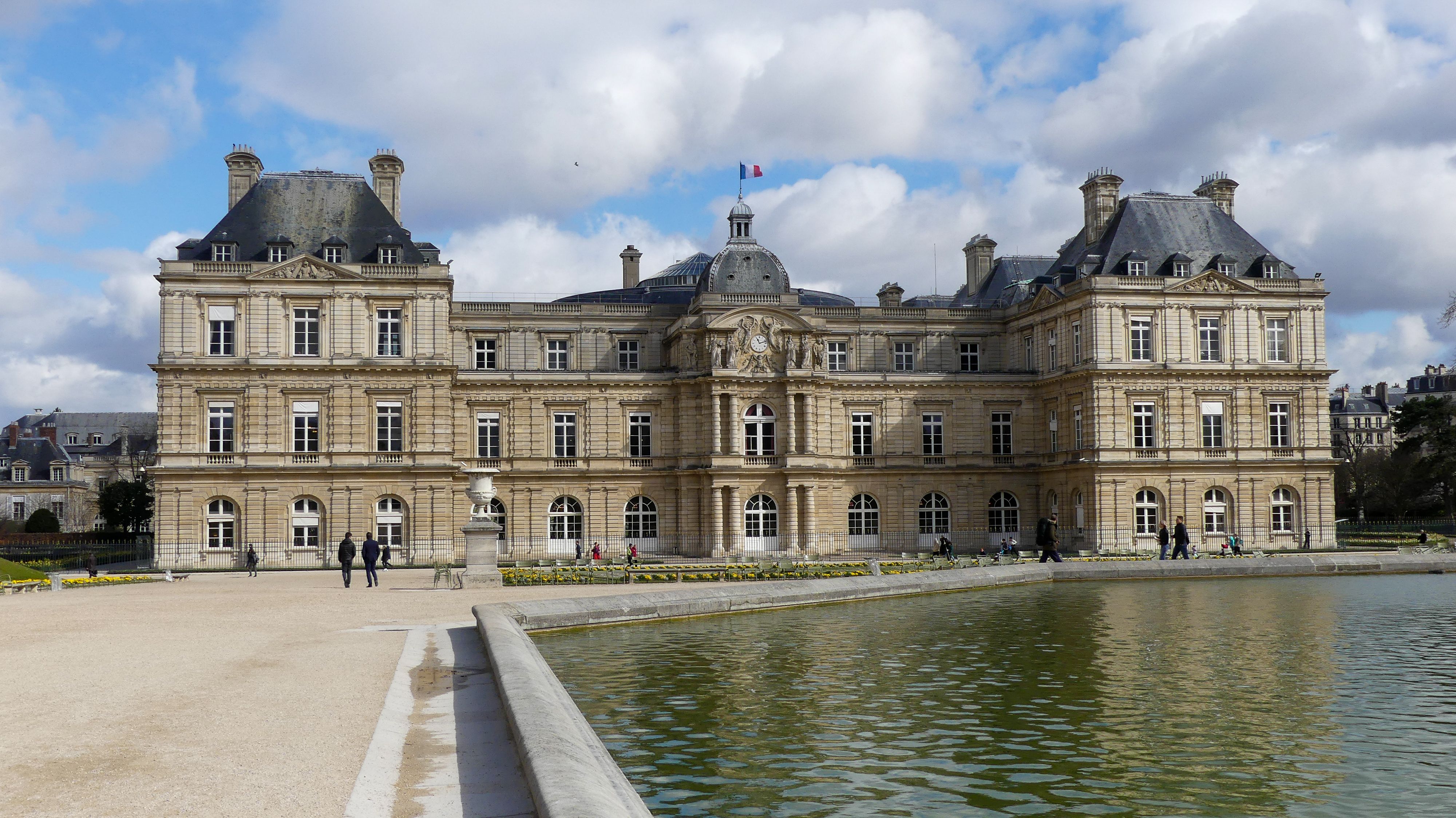
Luxembourg Gardens, Paris : Where Parisians Read, Reflect, and Reclaim Time
The first thing you notice in Luxembourg Gardens isn't the grandeur—it's the quiet hum of daily life unfolding at human pace. Beneath chestnut trees just beginning to leaf out, an elderly man in a worn tweed jacket reads Le Monde on a signature green chair, his baguette resting beside him like a companion. Nearby, children sail wooden sailboats across the octagonal Grand Bassin while students sketch the Medici Fountain's nymphs in leather-bound journals. This isn't staged charm; it's Parisian rhythm made visible—a 23-hectare sanctuary where the city's pulse slows to the tempo of turning pages and drifting petals. Commissioned in 1612 by Marie de' Medici to ease her homesickness for Florence's Boboli Gardens, these grounds have evolved beyond royal whim into something more profound: Paris's living room, where generations have come to think, dream, and simply be. In 2026, amid accelerating urban life, Luxembourg Gardens remains an essential lesson in the art of lingering.
Why Visit Luxembourg Gardens, Paris?
Luxembourg Gardens represents more than manicured beauty—it embodies the French philosophy of public space as civic right. Unlike Versailles' theatrical grandeur or Tuileries' formal procession, Luxembourg offers democratic elegance: a landscape designed not to impress power, but to serve people. Its genius lies in layered functionality—formal French parterres near the palace give way to English-style lawns perfect for lounging, while hidden orchards and apiaries sustain biodiversity within the city core. The gardens survived revolution, occupation, and urbanization not as museum piece, but as evolving ecosystem where 106 varieties of apples still grow in the orchard Marie de' Medici planted. Today, it functions as Paris's cultural lung: hosting chess tournaments under century-old lindens, open-air theater in summer, and quiet corners where philosophers have contemplated since Sartre held court at Café de Flore nearby. This is where Paris reveals its most generous self—not in monuments, but in shared moments of stillness.
The Best Time to Visit Luxembourg Gardens, Paris
For optimal conditions—blooming parterres, comfortable temperatures, and authentic local atmosphere—visit on a weekday morning between May 10 and June 5. Daytime temperatures average 15–22°C (59–72°F), the rose garden peaks with 700 varieties in bloom, and chestnut trees provide dappled shade without summer's intensity. Arrive between 8:30–9:30 AM to witness the gardens' daily ritual: gardeners in blue aprons arranging green chairs in precise rows while Parisians claim their favorite spots with newspaper and coffee. This window offers soft morning light ideal for photography without harsh shadows. September 15–25 provides a second excellent opportunity: warm days, departing tourists, and golden light filtering through turning leaves. Avoid July–August weekends when heat drives crowds to seek shade, creating congestion around the Grand Bassin. Note that the gardens close 30 minutes before sunset year-round—check exact times at jardins-luxembourg.fr as they shift seasonally.
Approximate Budget for a 7-Day Trip (2026)
Based on 2025 benchmarks adjusted for 4% inflation (per INSEE and Paris Île-de-France Tourism Office projections), here's a realistic mid-range budget for a Paris itinerary centered on authentic neighborhood immersion:
- Accommodation: €110–€160 per night for a boutique hotel or apartment rental in the 6th arrondissement (Saint-Germain-des-Prés) or Latin Quarter—within 10-minute walk of the gardens.
- Food: €90–€105 per day—breakfast at bakery (€6), picnic supplies from Marché Saint-Germain (€18–€22), dinner at neighborhood bistro with natural wine (€45–€55).
- Transportation: €36 for a weekly Navigo Découverte pass (covers all Metro lines; Luxembourg Gardens accessible via RER B Luxembourg station or Metro Odéon/RER Luxembourg).
- Attractions: Luxembourg Gardens: free. Panthéon entry: €12. Musée de Cluny (medieval art): €10. Shakespeare and Company bookstore visit: free. Allocate €80 total.
- Miscellaneous: €50 for artisanal chocolates from Debauve & Gallais, fresh flowers from Rue de Buci market, or contributions to garden conservation via Friends of Luxembourg Gardens association.
Total Estimated Cost: €1,200–€1,700 for seven days, excluding international flights.
5 Essential Luxembourg Gardens Experiences
- The Green Chairs Ritual: Claim one of 1,600 iconic green chairs (free, first-come) and position it facing your preferred vista—locals favor spots near the Medici Fountain for afternoon light or the orchard for solitude.
- Grand Bassin Sailboats: Rent a wooden sailboat (€4, 30-minute sessions) for children to navigate the octagonal pond—a tradition since 1920 that captures Parisian childhood innocence.
- Medici Fountain: Marie de' Medici's 17th-century grotto, redesigned by Alphonse de Lamartine with reclining nymphs—best visited mid-morning when light filters through plane trees onto carved stone.
- Orangerie & Rose Garden: The geometric rose parterre (700 varieties) peaks mid-May; adjacent Orangerie houses citrus trees wintered since 1848—visit Tuesday mornings when gardeners demonstrate pruning techniques.
- Statue Stroll: Walk the central axis past 106 statues of French queens and illustrious women—a deliberate feminist revision begun in 2019 to counter historical male dominance in public monuments.
3 Hidden Gems Most Travelers Miss
- Petit Luxembourg Apiary: Behind the Senate building (southeast corner), 6 beehives produce Luxembourg Gardens honey sold exclusively at the garden's kiosk each September—ask staff about seasonal availability.
- Théâtre des Marionnettes: A hidden puppet theater near the playground hosts free weekend shows for children (Saturdays 11:00 AM, Sundays 3:00 PM)—arrive 20 minutes early as seating is limited to 80 on wooden benches.
- Rue de Médicis Secret Bench: Exit gardens via Rue de Médicis gate, turn left, and find a solitary green bench beneath chestnut trees (50 meters from gate) offering unobstructed views back into the gardens without crowds—a local writers' favorite.
Cultural & Practical Tips
- Chair Etiquette: Never move green chairs far from their original location—they're precisely positioned for sightlines and maintenance. Leaving one displaced disrupts the garden's careful choreography.
- Picnic Protocol: Alcohol permitted but consumed discreetly. Always remove all waste—even biodegradable items like fruit peels—using gardens' discreet bins to protect wildlife.
- Photography Respect: Never photograph people reading or relaxing without permission. Early morning (8:00–9:00 AM) offers empty vistas ideal for architectural shots without intruding on private moments.
- Learn Key Phrases: "Bonjour Madame/Monsieur," "Merci," and "Où sont les roses anciennes?" (Where are the heirloom roses?) demonstrate respect for gardeners who take pride in sharing knowledge.
- Seasonal Awareness: Gardens close during heavy rain to protect lawns. Check @JardinLuxembourg on Twitter for real-time closure alerts before making special trips.
Conclusion: Travel with Presence, Not Just a Passport
Luxembourg Gardens endures not as attraction to be checked off, but as invitation to participate in Parisian rhythm. As a conscious traveler, your role is to engage authentically: read a book purchased from nearby Shakespeare and Company rather than scrolling screens, join locals feeding ducks at the pond's edge, support garden conservation through official channels rather than trampling flowerbeds for photos. Understand that your presence should enhance, not diminish, the sanctuary that Parisians rely upon daily. By approaching these gardens not as backdrop for social media, but as living room to be respected, you honor their true purpose—to remind us that cities thrive not through velocity, but through spaces where time slows enough for thought to take root. In 2026, that lesson feels more essential than ever.