
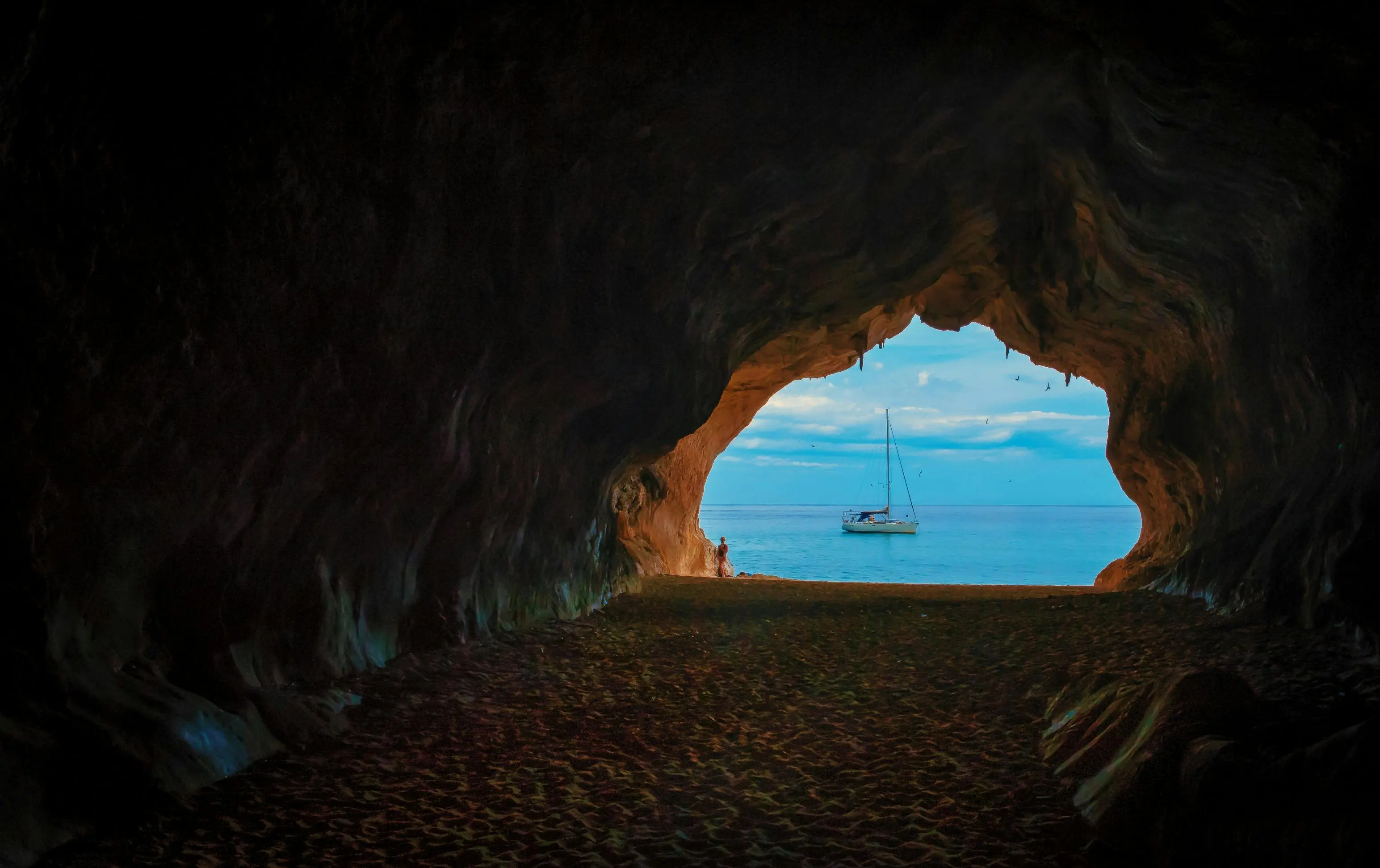
Nerja Caves Prehistoric Art Meets Geological Wonder
The air grows cool and damp as you descend into the earth—a constant 19°C (66°F) that has remained unchanged for millennia. You stand at the entrance of the Nerja Caves, where the scent of limestone and ancient stone fills your lungs. The darkness is broken only by carefully placed lights that reveal cathedral-like chambers adorned with stalactites and stalagmites that have grown for over 800,000 years. This is not merely a cave system but a prehistoric sanctuary discovered in 1959 by five young men from Nerja, revealing one of Europe's most important Paleolithic sites. You hear the drip of water echoing through the chambers—a sound that has persisted since the Pleistocene epoch; the hushed whispers of visitors contemplating cave paintings that may be 42,000 years old. In 2026, as climate change threatens fragile ecosystems worldwide, the Nerja Caves remain a time capsule of Earth's history—a place where geology and archaeology converge, demanding you slow down to comprehend the vastness of time recorded in every mineral formation.
Why Nerja Caves Embodies Prehistoric Heritage
The Nerja Caves represent one of the most significant archaeological and geological sites in Europe, solving the critical need to preserve evidence of human habitation dating back to the Paleolithic era. Discovered on January 12, 1959, by Francisco Navas Montesinos and four friends who were chasing bats, the cave system extends for approximately 5 kilometers through the Sierra de Almijara, though only 700 meters are open to the public. The caves contain some of the world's oldest known cave paintings, potentially dating to 42,000 years ago—predating even the famous Lascaux caves in France.
The geological formation is extraordinary: the caves feature the world's largest known stalagmite, rising 32 meters (105 feet) high in the Hall of the Cataclysm, formed over 800,000 years. The engineering of nature is evident in the six main galleries: the Show Galleries, which feature spectacular formations including the famous "Organ Pipes"—calcite columns that produce musical tones when struck. The temperature remains constant at 19°C (66°F) year-round with 95% humidity, creating perfect conditions for preserving both the mineral formations and prehistoric art. This integration of natural beauty and archaeological significance makes the Nerja Caves not merely a tourist attraction but a sanctuary of human history, where every drip of water continues to write the story of our planet.
The Best Time to Experience Nerja Caves
For the optimal Nerja Caves visit, target May 15–June 20 or September 10–October 25, when temperatures outside range between 20–28°C (68–82°F), creating a pleasant contrast with the cave's constant 19°C (66°F). The caves open at 10:00 AM daily; arrive at 9:45 AM to enter with the first guided group before crowds converge. Late afternoon visits between 4:00–6:00 PM offer fewer crowds, though the last entry is typically at 6:30 PM. Spring coincides with the Nerja Caves Festival in May, causing accommodation prices to increase 30–50%; book lodging three months in advance if visiting during this period.
Avoid July 15–August 25 unless you tolerate extreme heat and crowds; temperatures regularly exceed 35°C (95°F) outside, and the caves reach maximum capacity with tour groups. The humidity inside can feel oppressive when combined with large crowds. Winter months (December–February) bring mild weather (12–18°C / 54–64°F) but fewer tourists, allowing for contemplative exploration. The caves remain open year-round except for January 1 and December 25; verify current hours at www.cuevadenerja.es or contact the information desk at info@cuevadenerja.es (+34 952 529 520). Weekday mornings typically see the lowest visitor density, allowing for clearer photography of the formations without obstruction from crowds.
Approximate Budget for a 7-Day Trip (2026)
Nerja offers excellent value for cultural travelers, with costs generally 20–30% lower than Málaga or Marbella. The following budget assumes mid-range comfort with a focus on local experiences and cave exploration, based on 2026 pricing with approximately 3.5% inflation from 2025 figures. Estimates include stays in Nerja for easy access to the Nerja Caves and Costa del Sol beaches.
- Accommodation: €60–€120 per night for a double room in a boutique hotel or apartment in Nerja center; luxury options with sea views command €150–€300 per night
- Food: €35–€55 per day—breakfast €5–€8 (café con leche and churros), lunch €12–€20 (menú del día including pescaíto frito, salad, and local wine), dinner €18–€28 (tapas selection including gambas al ajillo and espetos)
- Transportation: Flight to Málaga Airport: €80–€200 round-trip from European cities; bus from Málaga to Nerja: €5 (1 hour 15 minutes); local bus within Nerja: €1.20 per ride or €3.50 daily pass; taxi from airport: €65; car rental: €35 per day
- Attractions: Nerja Caves entry: €12; Balcón de Europa: free; Aqueduct of Nerja: free; Museum of Nerja: €3; guided cave tour: €18
- Miscellaneous: Cave souvenirs from €8; local wine €7–€18 per bottle; horchata drink €3; artisan ceramics €25–€60; cave photography book €20
Total estimated cost for 7 days: €750–€1,150 per person (based on double occupancy; solo travelers should add 35–45% for single supplements)
7 Essential Nerja Caves Experiences
- Explore the Show Galleries: Enter the six main galleries featuring spectacular formations. The tour covers 700 meters of the 5-kilometer cave system. Visit at 10:00 AM opening time to experience the chambers before crowds obscure the view. The formations include the famous Organ Pipes and the world's largest stalagmite. Allow 60 minutes for the guided tour. This is the anchor of the Nerja Caves experience; do not rush through it.
- View the Prehistoric Paintings: Examine the Paleolithic art in the Gallery of the Phosphenes. The paintings may date to 42,000 years ago. Visit between 2:00–4:00 PM when lighting accentuates the ancient pigments. The images depict seals, fish, and abstract symbols. Audio guides explain the archaeological significance. This collection defines the caves' importance to human history.
- Marvel at the Organ Pipes: Locate the massive calcite columns that produce musical tones. The formations rise 15 meters high in the Hall of the Cataclysm. Visit at 11:30 AM when the guide demonstrates the acoustic properties. The space is vast but echoes with every sound. Audio guides available in six languages for €3. Allow 15 minutes to appreciate the details.
- Walk the Suspension Bridge: Cross the metal walkway suspended 30 meters above the cave floor. The bridge offers panoramic views of the chambers below. Visit in late afternoon when the lighting is dramatic. The structure provides access to otherwise unreachable formations. Entry is included with the ticket. This provides a physical sense of the cave's scale.
- Visit the Museum of Nerja: Explore the archaeological museum featuring artifacts from the caves. The exhibits include tools, pottery, and bones from prehistoric inhabitants. Visit at 4:00 PM when the museum is less crowded. The collection dates back 50,000 years. It is free to enter. This reveals the human history of the Nerja Caves.
- Attend the Music Festival: Check the schedule for concerts held in the cave's natural amphitheater. The acoustics are exceptional due to the limestone chambers. Events typically occur in May and June. Tickets range €25–€60 depending on the performance. The atmosphere is mystical with the formations as backdrop. Follow @cuevadenerja on social media for updates.
- Photograph the Formations: Capture the stalactites and stalagmites with your camera. The lighting changes throughout the tour. Visit during weekday mornings for the best light without crowds. Flash photography is prohibited; use available light. Bring a camera with good low-light capability. This creates lasting memories of the Nerja Caves.
3 Hidden Gems Most Travelers Miss
- Aqueduct of Nerja (Acueducto del Águila): Located 2 kilometers from the caves at Carretera de Maro, this 19th-century aqueduct features 38 arches spanning a ravine. Entry is free; open 24 hours. It is often overlooked as visitors focus on the caves. The structure measures 70 meters high and 100 meters long. Contact: +34 952 529 520. Visit early morning for photography without crowds. The engineering is impressive against the mountain backdrop.
- Cave of the Pileta: A 30-minute drive from Nerja at Benaoján, this cave features exceptional Paleolithic art. Entry: €10; open 10:00 AM–2:00 PM. It is often overlooked by tourists rushing to Nerja Caves. The paintings include horses, fish, and symbols dating to 25,000 years ago. Contact: +34 952 127 600. Visit mid-morning when light illuminates the entrance. The cave is less commercialized than Nerja.
- Maro Beach Cliffs: Located 5 kilometers east of Nerja at Maro, these dramatic cliffs feature hidden coves and crystal-clear water. Entry is free; open 24 hours. It is often overlooked as visitors focus on the Balcón de Europa. The cliffs rise 30 meters above the Mediterranean. Contact: +34 952 529 520. Visit late afternoon when the light is soft. The perspective allows you to see the caves' location on the coastline.
Cultural & Practical Tips
- Respect the formations: The Nerja Caves contain irreplaceable geological and archaeological treasures. Do not touch the stalactites or stalagmites. The oils from skin damage the mineral formations. Fines for vandalism can reach €300. Security monitors the galleries. Keep voices low to respect other visitors.
- Master these phrases: "Buenos días" (BWEH-nos DEE-as) for good morning; "Por favor" (por fah-BOR) for please; "¿Cuánto cuesta?" (KWAN-toh KWES-tah) to ask price; "La cuenta, por favor" (lah KWEN-tah) to request the bill.
- Photography guidelines: Photography without flash is permitted in most areas. Tripods require special permission from the administration (+34 952 529 520). Mobile phones must be silenced. Respect "no fotos" signs in sensitive archaeological areas. Early morning offers the best light without crowds.
- Wear appropriate clothing: The cave temperature is constant at 19°C (66°F) with 95% humidity. Bring a light jacket even in summer. Wear sturdy shoes with good grip; the pathways can be slippery. Avoid sandals or flip-flops. Comfortable walking shoes essential for the 700-meter tour.
- Hydration strategy: The humidity inside the caves is high; carry a refillable bottle. Public fountains (fuentes) are available outside the cave entrance. The water is potable and sourced from mountain springs. You'll save €2–€3 daily and reduce plastic waste. Purchase water from kiosks if fountains are unavailable.
- Accessibility considerations: The caves feature stairs and uneven pathways. The tour is not suitable for visitors with severe mobility issues. Wheelchairs are not permitted in the galleries. Contact the cave administration in advance for special accommodations. Allow an extra 15 minutes for the descent and ascent.
- Weather considerations: The cave is climate-controlled year-round, but the walk to the entrance is outdoors. Summer temperatures exceed 35°C (95°F); bring sun protection. Winter evenings can be mild; bring a light jacket. Rain is rare but possible in November; the stone surfaces become slick when wet.
Conclusion: Travel with Reverence, Not Just Reverie
The Nerja Caves demand more than casual observation—they ask for contemplation of the vastness of time embedded in every stalactite, every prehistoric painting, every mineral formation created over hundreds of thousands of years. When you walk these galleries in 2026, you're not merely touring a cave; you're walking through a fragile ecosystem of memory where geological processes, human history, and modern tourism intersect in delicate balance.
Choose to engage deeply: hire a knowledgeable guide from Nerja rather than relying solely on audio guides; purchase tickets directly to support preservation efforts; respect the silence of the chambers that have witnessed 42,000 years of human history. The Nerja Caves survive not as a commercial attraction but as a sanctuary of Earth's heritage—and their preservation depends on visitors who recognize the difference between appreciation and consumption.
Slow down. Stand in the Hall of the Cataclysm after the tour group departs. Listen to the drip of water that has echoed for millennia. Watch the light shift across the ancient formations. The caves reward those who approach them not as a checklist item but as a conversation across time—a dialogue between the Paleolithic artists who first entered these chambers and modern humanity, a conversation that continues, like the dripping water, in perpetual motion.