
Nerja Caves Prehistoric Art Meets Andalusian Subterranean Wonder
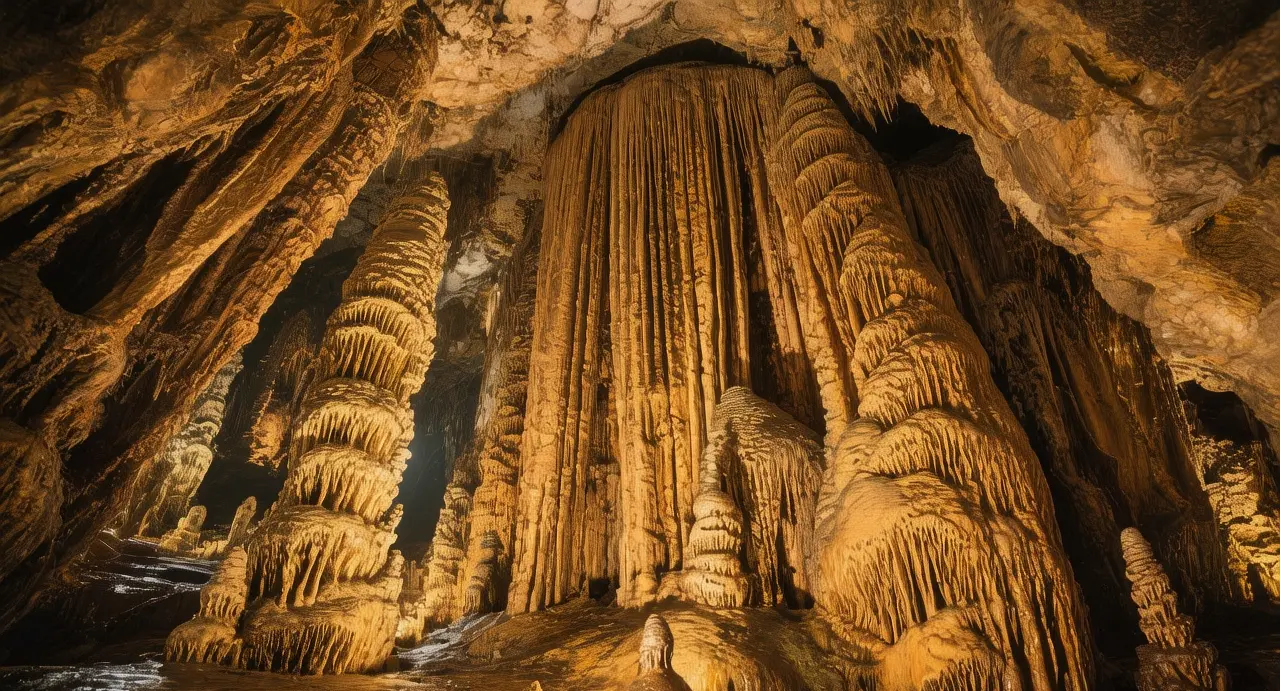
The air grows cool and heavy as you descend 55 meters beneath the Andalusian earth—your footsteps echo through chambers that witnessed human presence over 42,000 years ago. Discovered accidentally in 1959 by five young locals chasing bats through a narrow fissure, the Cuevas de Nerja reveal themselves as one of Europe's most significant archaeological sanctuaries. Stalactites drip mineral tears formed over millennia; prehistoric seals and ibex dance across limestone walls in ochre and charcoal; the world's largest known stalagmite column rises 32 meters toward vaulted ceilings carved by water's patient persistence. Inside these galleries, the temperature holds steady at 19°C (66°F) regardless of the Mediterranean sun blazing above—a constant, breathing reminder that while civilizations rise and fall, stone endures. In 2026, as climate change threatens surface heritage sites worldwide, these caves matter more than ever: they preserve not just ancient art, but a stable ecosystem and a direct connection to our species' deepest creative impulses, waiting beneath the whitewashed villages of Málaga province.
Why Nerja Caves Embodies Prehistoric Artistic Brilliance
The Nerja Caves represent far more than a geological curiosity—they stand as humanity's oldest known art gallery, predating France's Lascaux by potentially 20,000 years. When researchers analyzed charcoal samples from the cave paintings in 2012, radiocarbon dating suggested some seals and abstract symbols could be 42,000–43,000 years old, possibly created by Neanderthals rather than Homo sapiens. This revolutionary finding challenges our understanding of cognitive development and artistic expression, positioning the caves as a critical link in the chain of human evolution.
Beyond their archaeological significance, the caves showcase spectacular karst formations created by water dissolving soluble limestone over 5 million years. The system extends over 5 kilometers, though only 2,900 meters remain open to visitors across three main galleries: the Show Gallery (Galería del Turismo), the Upper Galleries (Galerías Altas), and the New Gallery (Galería Nueva). The massive column known as "El Gran Capitán" dominates the main chamber—this 32-meter (105-foot) stalagmite ranks among the largest naturally formed columns on Earth, created by the slow fusion of descending stalactite and ascending stalagmite at a rate of approximately 0.13 millimeters per year.
The caves solved a fundamental human need: shelter and spiritual expression. Archaeological excavations uncovered over 2,700 artifacts including bone tools, ceramic fragments from the Neolithic period, and evidence of continuous human occupation from the Paleolithic through the Bronze Age. Today, they fulfill a different need—connecting modern visitors to our ancestral past while demonstrating the delicate balance between accessibility and preservation. The caves receive 400,000+ annual visitors yet maintain strict environmental controls to protect both the ancient pigments and the living formations still growing in the darkness.
The Best Time to Experience Nerja Caves
While the Nerja Caves maintain a constant internal temperature of 19–24°C (66–75°F) year-round, your overall experience depends heavily on external conditions and crowd levels. For optimal visiting conditions, target April 15–May 30 or September 10–October 20, when daytime temperatures in Nerja average 20–26°C (68–79°F) and tourist numbers remain manageable. During these windows, you'll explore the caves comfortably and enjoy the coastal town without summer's overwhelming crowds.
For the most atmospheric experience, book the first tour at 9:30 AM or the final entry at 5:30 PM (winter) / 7:00 PM (summer). Early morning visits offer the freshest air and smallest groups—typically 15–20 people versus afternoon crowds of 40+. The evening light filtering through the cave entrance creates dramatic photography opportunities as golden hour illuminates the exterior gardens. Winter months (November–February) bring cooler surface temperatures of 12–18°C (54–64°F) but the lightest crowds, with wait times under 10 minutes even on weekends.
Avoid July 20–August 25 and Spanish national holidays (Semana Santa/Easter Week, August 15) when daily visitor numbers exceed 2,500, creating bottlenecks at narrow passages and diminishing the contemplative atmosphere. Midday tours (12:00–3:00 PM) during peak season pack 50+ people into galleries designed for intimate viewing. For real-time availability and crowd forecasts, check the official website at www.cuevasdenerja.es or call +34 952 529 520 before your visit.
Approximate Budget for a 7-Day Trip (2026)
Nerja offers exceptional value on Spain's Costa del Sol, though prices have increased 22% since 2020 due to tourism growth and inflation. This budget assumes moderate comfort—clean, well-located accommodation; authentic meals at local restaurants; and selective paid attractions. Prices reflect 2026 rates with approximately 4% annual inflation factored in.
Accommodation: €55–€95 per night for a double room in a family-run hotel or apartment in Nerja town center or Burriana Beach area; budget hostels from €30/night
Food: €30–€50 per day
-
• Breakfast: €3–€6 (café con leche €2, churros con chocolate €3.50)
Transportation:
-
• Bus from Málaga Airport to Nerja: €7.40 one-way (ALSA Line 342, 1 hour 45 minutes)
Attractions:
-
• Cuevas de Nerja entrance: €14 adults, €7 children (6–12), free under 6
Miscellaneous:
-
• Local olive oil (500ml): €9–€14
Total for 7 days (per person, double occupancy): €720–€1,050
7 Essential Nerja Caves Experiences
- Join the Guided Tour in Multiple Languages: The standard 45-minute tour operates in Spanish, English, French, and German at scheduled times throughout the day. Your guide leads you through the illuminated galleries, pointing out the prehistoric seals painted in the Sala de la Vaca (Hall of the Cow) and explaining the geological processes that formed the massive columns. Listen carefully for stories about the 1959 discovery and the ongoing archaeological research.
- Photograph the Gran Catastrofe Chamber: This massive hall features the cave's most dramatic formations, including the 32-meter column and countless delicate helictites—twisted stalactites that grow sideways against gravity. Use a tripod if permitted (check current policy) and set ISO to 1600–3200 for the low-light conditions. The golden lighting creates ethereal reflections on wet surfaces.
- Visit the Archaeological Museum Exhibition: Before or after your cave tour, explore the small museum at the entrance displaying artifacts found during excavations: Neolithic pottery, Bronze Age tools, and replicas of the cave paintings. The exhibition contextualizes the 42,000 years of human presence and explains the carbon-dating process that revealed the paintings' extraordinary age.
- Walk the Exterior Gardens at Sunset: The cave complex includes landscaped gardens with native Andalusian plants and viewpoints overlooking the Axarquía countryside. Arrive 30 minutes before closing to watch the sun set over the Mediterranean while the limestone entrance glows amber. The temperature differential creates visible mist rising from the cave mouth—a photographer's dream.
- Explore the Prehistoric Art Replicas: Due to preservation concerns, you cannot touch or closely approach the original paintings. However, the cave features detailed replicas in the visitor center that allow you to examine the brushwork, pigment composition, and symbolic patterns up close. Notice how ancient artists used the rock's natural contours to create three-dimensional effects.
- Attend the Nerja Cave Music Festival (If Visiting in June/July): Since 1960, the Cueva de Nerja has hosted classical music concerts in its acoustically perfect chambers. The Festival Internacional de Música y Danza transforms the main gallery into a concert hall where symphony orchestras perform beneath 5-million-year-old formations. Tickets sell out months in advance—book at least 3 months ahead.
- Combine with Balcón de Europa Visit: After exploring the caves (allow 90 minutes total including museum), drive or bus 6 kilometers into Nerja town to walk the famous Balcón de Europa viewpoint. This cliff-top promenade offers panoramic Mediterranean views and connects the subterranean wonder to the coastal beauty that defines the region.
3 Hidden Gems Most Travelers Miss
- Sala de la Torca (The Sinkhole Chamber): While most tours stick to the main galleries, special guided visits (by advance reservation only) access this deeper chamber featuring a massive vertical shaft and pristine formations untouched by mass tourism. The 2-hour specialized tour costs €25 and requires good physical condition. Contact: visitas.especiales@cuevasdenerja.es or +34 952 529 520. Insider tip: Book at least 2 weeks ahead; tours limited to 12 people and operate Tuesday/Thursday mornings only.
- Acueducto del Águila (Eagle Aqueduct): Just 2 kilometers from the caves stands this 19th-century brick aqueduct with 38 arches spanning a ravine. Built in 1880 to transport water from the mountains to sugar cane plantations, it now serves as a hiking trail with spectacular views of the cave entrance from above. Access: Free, parking available on MA-7215 road. Insider tip: Visit at dawn when light streams through the arches and you'll likely have it to yourself.
- Cueva del Tesoro (Treasure Cave): This smaller, privately-owned cave system 8 kilometers from Nerja remains virtually unknown to international tourists. While less spectacular than Nerja Caves, it features its own formations and a fascinating legend about hidden Moorish gold. Entry: €8, open 10 AM–6 PM daily. Insider tip: The owner, Francisco, speaks excellent English and gives passionate 30-minute personal tours—ask about the cave's connection to local resistance fighters during the Spanish Civil War.
Cultural & Practical Tips
- Photography restrictions: Flash photography and tripods are prohibited inside the caves to protect the ancient pigments from light degradation. Handheld photos without flash are permitted in most areas. Outside photography is unrestricted.
- Dress appropriately: Despite the warm climate above ground, the caves maintain 19°C (66°F) with high humidity. Bring a light sweater or jacket even in summer. Wear sturdy, closed-toe shoes with good grip—the limestone paths can be slippery.
- Respect the formations: Touching stalactites or stalagmites is strictly forbidden. The oils from human skin halt their growth and can discolor formations that took thousands of years to develop. Stay on marked paths at all times.
- Essential phrases: "Buenos días" (BWEH-nos DEE-as) before 2 PM; "¿Hay visitas en inglés?" (eye bee-SEE-tas en een-GLAYS) = "Are there tours in English?"; "La cuenta, por favor" (la KWEEN-ta por fa-BOR) = "The bill, please."
- Accessibility information: The main tour route includes stairs and uneven surfaces, making it challenging for wheelchairs. However, an adapted route covers approximately 300 meters of the galleries—contact the cave administration 48 hours in advance to arrange assistance.
- Combine with local cuisine: After your visit, stop at a chiringuito (beach bar) in Burriana Beach for espetos de sardinas—sardines skewered on bamboo and grilled over open fire. This traditional Málaga specialty costs €8–€12 and pairs perfectly with local DO Málaga sweet wine.
- Weather considerations: The Axarquía region experiences the "terral"—a hot, dry wind that can raise temperatures to 40°C (104°F) in summer. Check the forecast and plan cave visits during terral days, as the underground temperature provides welcome relief.
Conclusion: Travel with Reverence, Not Just Checklist Tourism
The Nerja Caves have witnessed epochs that dwarf human comprehension—5 million years of geological transformation, 42,000 years of artistic expression, 67 years since five curious youths stumbled into history. When you descend into those cool, dark chambers in 2026, you're not just ticking a box on your Andalusian itinerary; you're entering a cathedral older than religion, older than language, older than the very concept of time as we understand it. The prehistoric artists who painted seals by flickering firelight never imagined their work would survive to inspire you; the water that carved these chambers never conceived it was sculpting a sanctuary.
But here's what separates meaningful travel from tourism: these caves don't need your photograph—they need your respect, your willingness to move slowly through the galleries, to contemplate the fragility of pigments that have outlasted empires, to understand that each visitor's breath adds moisture that can damage formations growing at 0.13 millimeters per year. In an age of overtourism and climate instability, the Nerja Caves offer a masterclass in preservation—showing us that some wonders demand we subordinate our desire for access to the greater need for protection. Descend into the darkness, yes, but emerge with something deeper than souvenirs: carry forward a commitment to protect not just these caves, but all the fragile, irreplaceable treasures that connect us to our shared human story.