Bornholm Island: Where Baltic Granite Cliffs Meet Nordic Artisan Soul
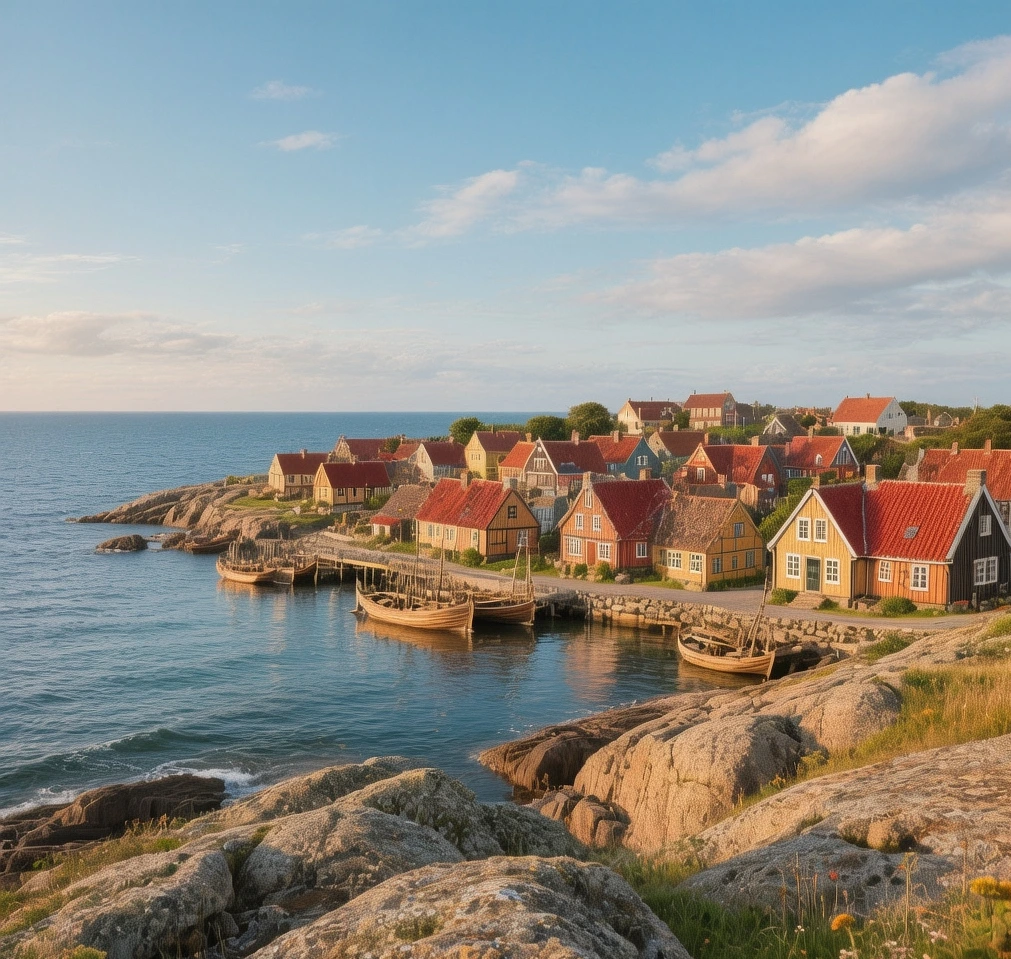
Bornholm Island: Where Granite Cliffs Meet Baltic Shores
I stand on the deck of the ferry at nine in the morning. Salt wind stings my cheeks. The island rises ahead, grey rock and dark pine breaking flat blue water. The crossing from Ystad took two and a half hours. I paid 340 DKK one way. No one rushes here. People lean on rails and watch the horizon. By the time I step ashore in Rønne, sunlight spills across red-roofed houses. The air smells of pine and seaweed. I rented a bicycle by the harbor. It cost 120 DKK for the day. That ride became my favorite way to see the island. Roads curve gently. The sea appears and disappears between trees. Every few kilometers another smokehouse chimney rises above rooftops.
Why Bornholm Island Matters
Bornholm sits east of mainland Denmark, closer to Sweden than Copenhagen. For centuries it sat at a crossroads of kingdoms. Powers fought over it repeatedly. Four round churches survive from the 12th century, their thick walls built to withstand attack. Hammershus, Northern Europe's largest medieval fortress ruin, crowns the northern tip. It changed hands many times before being abandoned in the 18th century. The island developed its own distinct culture — smokehouses, ceramics, and a quiet stubborn pride in local ways. People here still speak with a softer, distinct accent.
It is not perfect. Public transport outside Rønne runs thin. Buses may come once an hour or less. If you miss one, you wait. Many restaurants close from November through March. Winter visitors will find some towns almost empty. That quiet suits some travelers. Others will find it dull and limited.
The Best Time to Experience Bornholm Island
Late May through early September offers the warmest days and longest light. Temperatures range from 15°C to 22°C (59°F–72°F). July and August see the most visitors. Accommodation prices jump. Popular smokehouses and beaches fill up fast. Book two to three months ahead if traveling then.
April, early May, and September balance mild weather and fewer crowds. Temperatures sit around 10°C to 16°C (50°F–61°F). You can cycle and hike without queues. Some places reduce hours but most stay open. October brings golden foliage and stillness. Days grow shorter. Many cafes and smaller shops close after mid-October. Winter from November to March stays quiet. Temperatures hover 0°C to 5°C (32°F–41°F). Days are short. Only the main towns keep full services. It works if you want peace and don't mind limited dining options.
Approximate Budget for a 7-Day Trip
- Accommodation: 2,800 DKK – 5,600 DKK. A simple guesthouse or hostel room sits at the lower end. Mid-range hotel or coastal apartment runs 700–900 DKK per night. Premium places near the coast exceed 1,000 DKK nightly. Campsites cost 150–250 DKK per person and cut costs sharply.
- Food & Drink: 1,400 DKK – 2,450 DKK. A smokehouse lunch runs 95–160 DKK. Restaurant dinner is 180–280 DKK per person. Buying bread, cheese, and smoked fish directly from producers or supermarkets saves nearly half.
- Transport: 560 DKK – 1,400 DKK. Bicycle rental 100–150 DKK daily for full freedom. Car rental starts around 400 DKK per day plus fuel. Local buses cover basics but routes are sparse.
- Attractions & Entry: 420 DKK – 770 DKK. Hammershus 65 DKK. Art museum 110 DKK. Round churches 40–60 DKK each. Many coastal paths and beaches cost nothing.
- Miscellaneous: 490 DKK – 840 DKK. Covers coffee, snacks, small souvenirs, and unexpected needs.
Total estimated budget: 5,670 DKK – 11,000 DKK per person for 7 days.
One thing to watch: waterfront restaurants in Gudhjem and Svaneke charge premium rates. A simple lunch can cost 50 DKK more than at places a short walk inland. Buy smoked herring at the smokehouse counter and eat on the harbor wall. It tastes better and costs far less.
Essential Bornholm Island Experiences
- Walk Hammershus Castle Ruins. Follow the outer walls along the cliff edge. Waves crash far below. Arrive before 9:30 AM to have the site nearly to yourself. Skip if you cannot manage uneven, steep ground.
- Eat smoked herring at a working smokehouse. Try Sol over Gudhjem — smoked herring on rye bread with raw egg yolk and chives. It tastes of salt, wood smoke, and open sea. Go early to see the fish hanging in rows.
- Visit a round church. Østerlars is the largest. Thick curved walls, central pillars, and narrow windows show how design followed defense. Guides explain history simply and clearly.
- Spend a day at Dueodde Beach. Fine pale sand stretches far along the south coast. Water stays shallow and calm. The tall lighthouse gives wide views. Arrive before noon in summer to claim space.
- Cycle the coastal paths. Roads hug cliffs and shoreline. You pass coves, small harbors, and granite outcrops. Stop wherever the view pulls you. The terrain suits casual riders.
- Explore Bornholm Art Museum. Galleries sit into the cliff above the sea. Light shifts across walls and floors. Collection focuses on island artists and Nordic work. Stay for the view from the terrace.
Hidden Gems Most Travelers Miss
- Opalsøen — a flooded granite quarry near Østermarie. Water stays clear and still. You can swim here. No crowds, no facilities. Bring everything you need with you.
- Ekkodalen in Almindingen Forest. A deep rift valley with steep rock walls. Paths wind up and through. The echo here carries clearly. Visit in early morning when birdsong fills the space.
- Overrated spot: the main viewpoint at Gudhjem harbor. It draws crowds for photos but offers limited perspective. Walk five minutes up the road toward the art museum for a wider, quieter view.
- Døndalen Valley. A gentle one-hour walk leads to one of Denmark's highest waterfalls. The forest feels old and thick. Spring brings wild garlic and anemones covering the ground.
- Christiansø island — a short ferry ride from Gudhjem. Just 90 people live here year-round. Fortifications date to the 17th century. No cars. Walk everywhere. Plan half a day minimum.
Cultural & Practical Tips
- Book ferry tickets months ahead for July and early August. Prices rise and spots sell out. Last-minute bookings can cost double.
- Do not rely on buses outside Rønne. Schedules thin to nearly nothing on Sundays and off-season. Rent a bike or car to move freely.
- Respect quiet zones and protected nature. Many dunes and coastal areas forbid walking off marked paths. Vegetation here grows slowly and recovers slowly.
- Do not climb on Hammershus walls or coastal rock formations. Granite can be slippery and loose. Accidents happen every year.
- Many places close Monday. Some cafes, museums, and smokehouses take their rest day then. Plan accordingly so you don't find locked doors.
- Pack layers. Weather changes fast. Sun can turn to rain and wind within an hour. Even summer evenings cool noticeably.
Essential Visitor Information
Location & Access: Bornholm sits in the Baltic Sea, east of mainland Denmark. Main arrival point is Rønne. Three ways to arrive: ferry from Ystad, Sweden (2.5–3 hours); ferry from Sassnitz, Germany; or 35-minute flight from Copenhagen. Bicycle and car transport available on ferries.
Tickets & Booking: Hammershus 65 DKK adults, free under 18. Østerlars Round Church 50 DKK. Bornholm Art Museum 110 DKK. Booking ahead not needed for most sites. Ferry reservations essential in peak season.
Operating Hours: Most attractions open 10:00 AM–4:00 PM off-season, until 5:00 PM or 6:00 PM May–August. Many close Monday. Some smokehouses close Sunday or Monday.
Visit Duration: Minimum 3–4 days to see main sites. 7 days lets you explore at relaxed pace without rushing between towns.
Family Suitability: Highly suitable. Beaches, short hikes, and open spaces work well. Some historic sites have uneven ground that makes strollers difficult. Carry essentials; shops spread out in rural areas.
Timing: Best season: late May or September. Best time: early morning before day-trippers arrive. Sunset at northern coasts draws small crowds.
Highlights: Hammershus Castle Ruins, Østerlars Round Church, Dueodde Beach, Gudhjem smokehouses, Bornholm Art Museum.
Nearby & Day Trip: Christiansø island (45-minute ferry from Gudhjem). Svaneke town and waterfront. Hasle coastal trail. Full loop around the island by car or bike takes one full day.
Conclusion: Travel with Depth, Not Just Sight
Bornholm does not shout its charms. It shows them slowly — in the smell of alder smoke, the weight of old stone, the soft light over water. You will not find thrill rides or loud entertainment districts here. What you find is slower. Walk farther. Sit longer. Let the island set the pace. What small thing will you notice first when you step off the ferry?
Post a Comment