
Ice Hotel Kiruna: Where Frozen Artistry Meets Arctic Wilderness
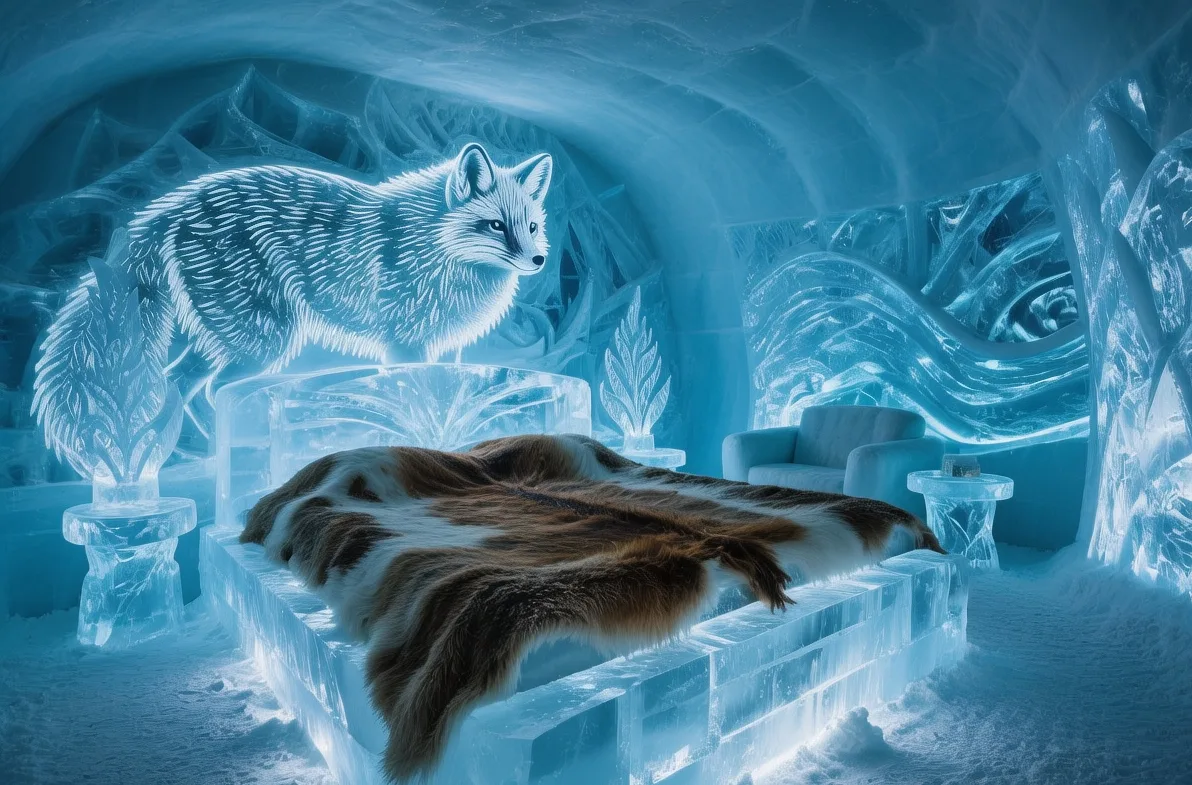
The air inside hangs at a constant -5°C (23°F)—crisp, dry, and carrying the faint scent of snow and ice. You pull your thermal suit tighter as you step through the heavy insulated doors, entering a world sculpted entirely from frozen water harvested from the Torne River. This is the Ice Hotel near Kiruna, the world's first and largest hotel made of snow and ice, where each winter brings a complete rebirth of artistic vision. The corridors stretch before you like crystalline cathedrals, their walls adorned with ice sculptures that catch the ethereal blue light filtering through the structure. Your breath mists in the air as you run your gloved hand along a wall carved with intricate patterns—each suite a unique masterpiece created by artists from around the globe. Outside, the Arctic night stretches endlessly, temperatures plunging to -30°C (-22°F), while inside this frozen sanctuary, innovation meets tradition in a celebration of winter's raw beauty. This place matters because it transforms the harshest season into art, proving that even in the depths of polar winter, human creativity can flourish in the most unexpected forms.
Why Ice Hotel Kiruna Embodies Arctic Innovation
The Ice Hotel represents one of Scandinavia's most audacious hospitality experiments, born from necessity and transformed into an international phenomenon. Founded in the late 20th century when a guide built an igloo for tourists along the Torne River, the concept evolved into a 2,000-square-meter (21,528 square feet) architectural marvel that reconstructs itself annually from scratch. Each winter, over 500 tons of ice—harvested from the pristine Torne River in March and stored in a warehouse—are transformed into ephemeral art installations, sleeping chambers, and even a bar where glasses are carved from ice.
The engineering behind this frozen structure is remarkable: walls measure 40 centimeters (16 inches) thick, providing insulation while maintaining structural integrity at sub-zero temperatures. The ceiling arches reach heights of 4–5 meters (13–16 feet), designed to prevent collapse while creating cathedral-like acoustics. Artists from 20+ countries arrive in November to carve 15–20 unique art suites, each featuring custom ice sculptures, thematic designs, and sleeping platforms covered with reindeer hides. The construction process involves spraying snow onto steel molds, allowing it to freeze for 3–4 weeks before removing the forms to reveal the finished architecture.
Beyond its novelty, the Ice Hotel solves a fundamental challenge: creating year-round tourism in a region where winter dominates eight months of the year. It generates employment for over 100 local residents during the construction season and supports the broader economy of Jukkasjärvi and Kiruna. The hotel also serves as a platform for ice art education, hosting workshops where visitors learn carving techniques from master sculptors. This fusion of art, engineering, and cultural preservation makes the Ice Hotel a testament to human adaptation in extreme environments, transforming Arctic harshness into an experience that draws visitors from every continent.
The Best Time to Experience Ice Hotel Kiruna
For the complete Ice Hotel experience, visit between December 15–March 30, when the structure is fully constructed and temperatures remain consistently cold enough to preserve the ice art. During this window, outdoor temperatures range from -10°C to -25°C (14°F to -13°F) during the day, dropping to -30°C (-22°F) at night. The hotel interior maintains a constant -5°C (23°F) regardless of external conditions. For Northern Lights viewing combined with your Ice Hotel stay, target January 15–March 15, when darkness prevails but daylight begins returning, offering 4–6 hours of twilight for daytime activities.
The best time for photography inside the hotel is 10:00 AM–2:00 PM when natural light filters through the ice, creating stunning blue tones. For the warmest experience, visit in late March when temperatures moderate to -5°C (23°F) outdoors while the ice remains solid. Avoid visiting during April–November when the hotel melts (April–May) or hasn't been constructed yet (June–November). Also skip early December (before December 15) when construction may not be complete. For current opening dates and room availability, verify at www.icehotel.com before booking your trip.
Approximate Budget for a 7-Day Trip
Traveling to the Ice Hotel involves premium Arctic pricing, reflecting unique accommodations and remote location logistics. This budget assumes traveling during peak winter season and balances the Ice Hotel experience with mid-range comfort for other nights. Prices reflect current rates and assume solo travel (costs decrease 25–35% per person for couples sharing accommodation).
- Accommodation: €150–€450 per night. Budget: Warm room at Ice Hotel (€150/night). Mid-range: Art suite at Ice Hotel (€350/night). Higher-end: Deluxe warm suite with spa access (€450/night). Book 6–9 months ahead for December–January.
- Food: €50–€80 per day. Breakfast: €12–18 (hotel included or café with coffee, smörgås open sandwich). Lunch: €18–25 (dagens lunch—daily special including soup, main, salad). Dinner: €30–45 (traditional Swedish at Ice Hotel Restaurant or Kiruna establishments). Self-catering reduces costs by 30%.
- Transportation: Stockholm to Kiruna: €90–130 one-way via SJ Night Train (12 hours) or €120–180 by flight. Kiruna to Ice Hotel: €25 by shuttle bus (15 km/9 miles). Car rental (4WD): €80/day plus fuel (€2.10/liter).
- Attractions: Ice Hotel entry (day visit): €20. Overnight in ice room: from €350. Dog sledding (half-day): €180. Northern Lights tour: €95. Sami cultural experience: €85. Snowmobile safari: €150. Ice sculpting workshop: €75.
- Miscellaneous: Thermal suit rental (if not included): €35/day. Arctic gear (boots, gloves): €25/day. Travel insurance (Arctic coverage): €60 for week. SIM card/ €20.
Total 7-day budget: €1,400–€2,100 (excluding international flights)
7 Essential Ice Hotel Kiruna Experiences
- Sleep in an Art Suite: Book an overnight stay in one of the uniquely carved ice rooms at 9:00 PM. Each suite features a custom ice sculpture theme, from Nordic mythology to abstract art. You'll receive a survival briefing, thermal sleeping bag rated to -30°C (-22°F), and reindeer hides for insulation. The experience includes a warm wake-up service at 8:00 AM with hot lingonberry juice. Temperatures inside remain at -5°C (23°F), but the sleeping bags keep you surprisingly comfortable. This is the signature Ice Hotel experience—sleeping on a block of ice beneath frozen ceilings.
- Drink at the Icebar: Visit the famous ice bar at 7:00 PM where even the glasses are carved from ice. The bar features ice sculptures, frozen seating, and a menu of Arctic cocktails served in crystal-clear ice vessels. Order the signature "Ice Hotel" cocktail or sample Swedish aquavit. The bar maintains -5°C (23°F), so dress warmly in provided thermal capes. Bartenders work in thermal gear, pouring drinks at speeds that prevent freezing. Stay for 45–60 minutes; the novelty is intense but the cold becomes challenging. This is the world's first permanent ice bar, a concept copied worldwide.
- Take the Guided Tour: Join the daily tour at 11:00 AM or 3:00 PM to learn about the hotel's construction and artistry. Guides explain the harvesting process, architectural techniques, and the stories behind each art suite's design. The tour lasts 45 minutes and covers the chapel, art suites, and ice bar. You'll learn how artists use chainsaws, chisels, and even their hands to sculpt ice. Photography is encouraged; the blue light creates stunning images. Tours run in English and Swedish. This provides essential context for understanding the craftsmanship involved.
- Attend the Ice Hotel Wedding Chapel: Visit the ice chapel at 2:00 PM, one of the world's most unique wedding venues. The space features ice pews, a frozen altar, and walls carved with intricate patterns. Even if you're not marrying, the chapel is open for visits and offers a serene, meditative atmosphere. The acoustics are remarkable—whispers carry across the frozen space. Light filters through the translucent ice walls, creating an ethereal glow. This is one of the most photographed spaces in the hotel. Weddings occur regularly; check the schedule to avoid crowds if you want quiet contemplation.
- Try Ice Sculpting: Book the hands-on workshop at 1:00 PM where master sculptors teach you basic ice carving techniques. Using chisels and saws, you'll create a small ice sculpture to take home (or photograph). The 2-hour session costs €75 and includes all tools and safety equipment. Instructors guide you through cutting, shaping, and detailing ice blocks. You'll gain appreciation for the skill required to create the hotel's elaborate suites. Wear warm clothes; the workshop space is unheated. This experience reveals the artistry behind the architecture and provides a unique souvenir.
- Experience the Arctic Restaurant: Dine at the hotel's warm restaurant at 7:00 PM, featuring a menu inspired by Arctic ingredients. Order reindeer fillet, Arctic char, or game stew prepared with local berries and herbs. The restaurant features floor-to-ceiling windows overlooking the frozen landscape. Pair your meal with Swedish wines or craft beers. The chef sources ingredients from Sami herders and local fishermen, creating a true taste of Lapland. Reservations are essential during peak season. This culinary experience complements the visual artistry of the ice hotel with gastronomic excellence.
- Photograph the Blue Hour: Return to the hotel at 10:00 AM in winter when the blue hour light illuminates the ice from within. Use a tripod and shoot at f/8 with ISO 800–1600 to capture the translucent blue tones. The light changes minute by minute, creating different moods in each suite. Focus on details: ice textures, sculpted patterns, light refraction through frozen walls. Avoid flash; it creates harsh reflections. The best photography occurs when natural light is strongest but not direct. This is the time to create artistic images that capture the hotel's ephemeral beauty.
3 Hidden Gems Most Travelers Miss
- Ice Hotel 365 (Summer Ice Experience): While most know the seasonal hotel, few visit the year-round ice experience open June–November. Located adjacent to the winter hotel, this permanent structure uses solar-powered cooling to maintain -5°C (23°F) even in summer. Open daily 10:00 AM–6:00 PM; entry costs €25. The space features rotating ice art exhibitions and a small ice bar. Visit at 2:00 PM when the midnight sun creates unique lighting effects. This allows you to experience ice art during the warm months when the main hotel has melted. Contact icehotel.com for summer exhibition schedules.
- Jukkasjärvi Church: Located 500 meters from the Ice Hotel, this wooden church built in 1607 is one of Sweden's oldest and most beautiful. Open Tuesday–Sunday 10:00 AM–4:00 PM (June–August); entry is free (donation requested). The interior features 18th-century altarpieces and Sami cultural artifacts. The churchyard offers stunning views of the Torne River where ice is harvested. Visit at 11:00 AM when morning light streams through the windows. This historic site provides cultural context for the Ice Hotel's location and is often overlooked by visitors rushing to the ice experience. The contrast between permanent wood and ephemeral ice is profound.
- Torne River Ice Fishing: Book a private ice fishing experience on the frozen Torne River, departing at 9:00 AM from the Ice Hotel dock. Local guides drill holes in the 1-meter (3-foot) thick ice and teach traditional Sami fishing techniques. The 3-hour tour costs €95 and includes equipment, thermal clothing, and hot coffee. You'll fish for Arctic char and whitefish, learning about the river's ecosystem and Sami fishing traditions. Even if you catch nothing, the experience of sitting on a frozen river surrounded by Arctic wilderness is meditative. Best January–March when ice is thickest. Contact tornefishing.se or call +46 980-12345 to book.
Cultural & Practical Tips
- Respect the cold: The Ice Hotel maintains -5°C (23°F) constantly. Even with thermal suits, limit exposure to 20–30 minutes if you're not sleeping there. Wear layers: thermal base layer, fleece mid-layer, windproof outer shell. Remove jewelry; metal freezes to skin instantly. Keep cameras warm in inside pockets; batteries drain rapidly in cold. Frostbite can occur in minutes on exposed skin.
- Learn essential Swedish phrases: "Tack" (tahk = Thank you), "Hej" (hay = Hello), "Is" (ees = Ice). Pronunciation matters less than effort—staff appreciate attempts at their language.
- Photography guidelines: Use manual settings: ISO 800–3200, f/2.8–f/5.6, shutter speed 1/60 or slower with tripod. Avoid flash; it creates harsh reflections on ice. Let your camera acclimate to temperature for 30 minutes to prevent condensation. Bring extra batteries; cold drains them 50% faster. The blue hour (10:00 AM–2:00 PM in winter) provides best natural light.
- Sleeping preparation: If staying overnight, avoid caffeine and alcohol before bed—they increase urination and disrupt sleep in the cold. Use the bathroom before entering your room; nighttime trips are challenging. Sleep in base layers and a hat; the thermal sleeping bag works best this way. Don't cover your face; condensation freezes on the bag. Expect to wake up cold; this is normal.
- Booking strategy: Reserve 6–9 months ahead for December–January stays, especially weekends. Art suites sell out fastest; book directly through icehotel.com for best selection. Weekdays (Tuesday–Thursday) offer better availability and lower rates. Consider splitting your stay: one night in ice room, remaining nights in warm accommodation.
- Weather considerations: Kiruna temperatures can drop to -40°C (-40°F). Check forecasts at smhi.se daily. Pack: thermal underwear, wool socks, insulated boots, thermal gloves, balaclava, and goggles for wind protection. Hand and toe warmers are essential. The hotel provides thermal suits, but personal layers matter.
- Accessibility: The Ice Hotel has limited accessibility for wheelchairs due to ice floors and steps. Warm accommodations are fully accessible. Contact info@icehotel.com to discuss specific needs. The restaurant and common areas can accommodate mobility challenges with advance notice.
Conclusion: Travel with Wonder, Not Just Comfort
The Ice Hotel invites you to embrace discomfort as a pathway to wonder—to sleep on ice, to feel the bite of Arctic air, to witness art that will melt away with spring's arrival. This is not a place for those seeking conventional luxury; it is a sanctuary for travelers willing to trade warmth for awe, comfort for the extraordinary. When you visit with wonder, you honor the artists who carve beauty from frozen water, the engineers who make the impossible real, and the Sami people whose land and traditions make this experience possible. As you leave the Ice Hotel, carrying memories of blue-lit corridors and nights spent beneath ice ceilings, remember that the most profound travel experiences often lie just beyond our comfort zones. The hotel will melt, the sculptures will return to the river, but the understanding that humans can create magic from winter's harshest elements—that lesson endures, waiting to inspire your next journey into the beautifully uncomfortable unknown.