
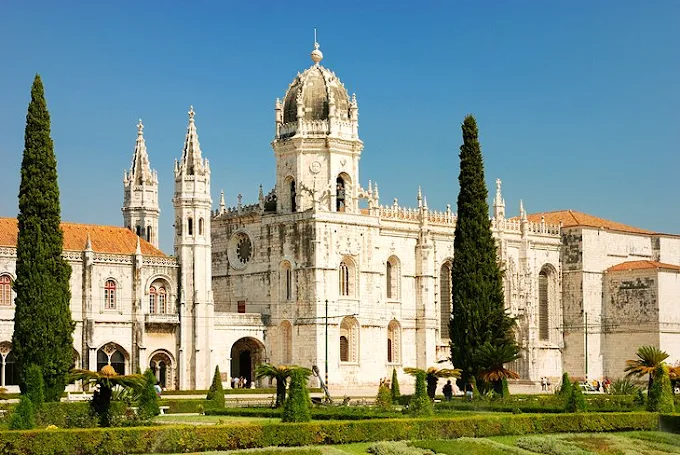
Jerónimos Monastery: Where Manueline Splendor Meets Maritime Faith
Golden light filters through the cloister's lace-like arches as you step into the heart of Lisbon's Belém district, where the Jerónimos Monastery rises like a prayer carved in stone. The air carries the faint scent of aged limestone mixed with orange blossoms from the adjacent garden; distant tram bells chime while the soft murmur of visitors echoes beneath vaulted ceilings that have sheltered devotion for five centuries. You stand before a masterpiece of Manueline architecture—a sprawling complex measuring 300 meters in length, its façade adorned with intricately carved ropes, armillary spheres, and maritime motifs that celebrate Portugal's Age of Discovery. Built between 1501 and 1601 using funds from the spice trade, this UNESCO World Heritage monument once housed Hieronymite monks who prayed for the safe return of explorers venturing into unknown oceans. This isn't merely a beautiful building—it's a stone testament to human ambition and divine faith, where artistic genius met spiritual purpose, where every carved detail whispers tales of caravels that reshaped the world. To walk its cloisters is to touch the soul of Portugal's golden age.
Why Jerónimos Monastery Embodies Portuguese Maritime Heritage
The Jerónimos Monastery represents far more than architectural grandeur—it embodies the zenith of Portugal's maritime empire and stands as the definitive masterpiece of Manueline style, a uniquely Portuguese aesthetic that flourished during the reign of King Manuel I (1495–1521). Commissioned in 1501 and largely completed by 1520 (with final touches extending to 1601), this monumental complex solved a profound spiritual and political need: providing a sacred space where monks could pray for the safety of sailors departing on perilous voyages to India, Brazil, and Africa, while simultaneously demonstrating royal power through architectural magnificence. The monastery's location in Belém—adjacent to the Tagus River estuary where explorers like Vasco da Gama embarked—created a powerful symbolic gateway between Lisbon and the unknown oceans beyond.
Engineering and artistic excellence define every aspect of the structure: the church's nave soars 25 meters (82 feet) high, supported by slender columns that branch like palm trees—a revolutionary design by master architect Diogo de Boitaca that distributed weight efficiently while creating an ethereal, forest-like interior. The two-story cloister, measuring 55×55 meters, features 300 intricately carved arches adorned with maritime symbols: twisted ropes representing ship rigging, armillary spheres symbolizing navigation science, crosses of the Order of Christ carried on explorer sails, and exotic botanical motifs brought back from newly discovered lands. Most remarkably, the monastery was constructed using local limestone from the Lisbon region, bound with mortar containing crushed brick—a technique that provided exceptional durability against Atlantic salt spray and seismic activity.
Today, the Jerónimos Monastery stands as a protected monument under the supervision of Portugal's Directorate-General for Cultural Heritage (DGPC), with ongoing conservation efforts focusing on preventing limestone erosion and managing the approximately 1.2 million annual visitors who come to experience this architectural wonder. The monastery's church houses the tombs of Vasco da Gama and poet Luís de Camões, while the adjacent National Archaeological Museum preserves artifacts from Portugal's global explorations. This enduring monument reminds us that Portugal's golden age wasn't built on conquest alone—it was crafted through the marriage of faith, art, and maritime ambition, where every functional element became an opportunity for transcendent beauty.
The Best Time to Experience Jerónimos Monastery
To experience the Jerónimos Monastery under optimal conditions, plan your visit between May 12 and June 20 or September 6 through September 26. During these windows, air temperatures range from 19–25°C (66–77°F), creating comfortable conditions for exploring the monastery's expansive cloisters and church interior. The ideal times to visit are 9:00–10:30 AM, when morning light streams through the clerestory windows to illuminate the Manueline carvings and crowds remain minimal before tour groups arrive, or 4:30–6:00 PM, when the setting sun bathes the limestone façade in golden light perfect for photography while the interior maintains a contemplative atmosphere.
Avoid visiting during July 18 through August 28, when temperatures soar to 28–35°C (82–95°F) and humidity rises, making the monastery's stone floors and narrow passages uncomfortably warm. Additionally, cruise ship passengers often arrive mid-morning during peak season, creating queues that can exceed 75 minutes for entry to the church and cloisters. Winter months (November through February) present their own challenges: frequent rainfall makes the limestone pathways slippery, temperatures drop to 8–14°C (46–57°F), and reduced daylight hours (sunset as early as 5:15 PM) limit exploration time. Additionally, the monastery occasionally closes sections for conservation work during low-season months.
Approximate Budget for a 7-Day Trip
Lisbon offers exceptional value compared to other Western European capitals, combining rich history, stunning architecture, and world-class cuisine at reasonable prices. The following budget assumes moderate comfort—clean, centrally-located accommodations and authentic Portuguese dining with occasional upscale experiences. Prices reflect the 2024–2026 season and assume travel during shoulder season (May–June or September) rather than peak summer.
- Accommodation: €60–€110 per night in Belém, Chiado, or Baixa districts. Traditional guesthouses with private bathroom: €60–€80; boutique hotels in restored buildings: €85–€110; riverside apartments with Tagus views: €100–€140.
- Food: €30–€42 per day
- Breakfast: €5–€7 (bica coffee €1.20, pastel de nata €1.40, fresh fruit €2.50)
- Lunch: €10–€14 (salada mista €7, grilled sardines €9, bifana sandwich €4.50)
- Dinner: €15–€21 (bacalhau à brás €13, arroz de marisco €18, francesinha €12, house wine €4)
- Transportation:
- Tram 15E from city center to Belém: €3 per ride (included in Viva Viagem card)
- Viva Viagem rechargeable card: €0.50 card fee + €1.50 per journey
- Uber/Bolt from airport to Belém: €12–€18 (20-minute journey)
- Car rental: €35–€55 per day (optional; parking in Belém costs €2/hour)
- Train to Sintra (day trip): €4.50 round-trip from Rossio station
- Attractions:
- Jerónimos Monastery entrance: €10 adult, €5 reduced (combined ticket with Belém Tower: €12)
- Belém Tower: €6 adult, €3 reduced
- National Archaeological Museum (inside monastery): Included in monastery ticket
- MAAT museum: €9 adult, €6 reduced
- Tagus River cruise: €15–€25 per person (1-hour sunset tour)
- Miscellaneous:
- Pastéis de Belém (box of 6): €6.50
- Portuguese azulejo tile souvenir: €15–€45
- Local wine from Douro Valley (750ml): €8–€18
- Travel insurance: €40–€60 for week
Total estimated cost for 7 days: €890–€1,280 per person (excluding international flights to Lisbon)
6 Essential Jerónimos Monastery Experiences
- Cloister Photography at Golden Hour: Arrive at the monastery's south entrance by 4:30 PM during May–June or September. The late-afternoon sun streams through the two-story cloister's 300 arches, creating dramatic light patterns on the limestone floor that reveal the intricate Manueline carvings—twisted ropes, armillary spheres, and exotic botanical motifs. Start at the eastern gallery, then move clockwise to capture the interplay of light and shadow. Use a wide-angle lens (24mm or wider) to encompass the architectural rhythm, and a polarizing filter to reduce glare on stone surfaces. The experience costs nothing beyond your entrance ticket and offers 90 minutes of optimal light before closing.
- Church Interior with Audio Guide: Purchase the €2 audio guide (available in 8 languages) at the ticket counter to unlock the church's hidden stories. Begin at the nave, noting the palm-tree columns that support the 25-meter vaulted ceiling—a revolutionary engineering solution by Diogo de Boitaca. Walk to the choir stalls, where carved misericords depict maritime scenes, then visit the tombs of Vasco da Gama and Luís de Camões in the south transept. Allow 45–60 minutes for the full interior experience; visit between 10:00 AM–12:00 PM for optimal lighting through the clerestory windows.
- Manueline Architecture Detail Study: For those interested in art history and stonemasonry, spend 1–2 hours examining the monastery's decorative elements. Focus on: the twisted rope motifs symbolizing maritime exploration, the armillary spheres representing navigation science, the crosses of the Order of Christ carried on explorer ships, and the exotic botanical carvings inspired by newly discovered lands. Bring a notebook and camera with macro capability. The best sections for study are the cloister's upper gallery and the church's portal. This self-guided educational experience costs nothing beyond your time and curiosity—and deepens appreciation for Portugal's unique artistic heritage.
- Belém District Walking Circuit: Combine your monastery visit with a self-guided walking tour of the Belém neighborhood. Start at the Jerónimos Monastery, then walk 400 meters west to the Belém Tower, continue 200 meters to the iconic Pastéis de Belém bakery for the original custard tarts, then stroll 300 meters to the Monument to the Discoveries overlooking the Tagus. The complete circuit covers 1.2 kilometers and takes 2.5–3 hours at a leisurely pace. Download the free Lisbon Heritage app for augmented reality reconstructions showing how these monuments appeared during Portugal's Age of Discovery. This experience contextualizes the monastery within Lisbon's broader maritime heritage.
- Sunset Tagus River Cruise: Book the 1-hour sunset cruise departing from Belém pier (€22 per person) for a unique perspective of the monastery from the water—the view explorers would have seen departing on voyages. The boat passes the monastery's riverside façade, allowing close-up photography of the limestone carvings while the setting sun illuminates the structure from the Tagus side. The cruise includes commentary on Lisbon's maritime history and stops near the Belém Tower for additional photo opportunities. Depart at 6:30 PM during shoulder season for optimal light and comfortable temperatures. Bring a light jacket; river breezes can be cool even in summer.
- Monastery Garden Contemplation: After exploring the interior, spend 20–30 minutes in the monastery's adjacent garden, a tranquil space with orange trees, fountains, and geometric hedges that provides a peaceful contrast to the architectural grandeur inside. Find a bench beneath the orange blossoms and reflect on the monastery's dual purpose: a place of prayer for departing sailors and a monument to human achievement. Visit between 5:00–6:30 PM when the garden's light is soft and crowds thin. This free experience offers a moment of stillness that deepens your connection to the site's spiritual heritage.
3 Hidden Gems Most Travelers Miss
- Chapter House Vaulted Ceiling: While most visitors focus on the church and cloisters, few enter the monastery's Chapter House—a small chamber on the eastern side of the cloister featuring a stunning ribbed vault ceiling with intricate keystones depicting maritime and religious symbols. Access requires asking a staff member to unlock the door (included in your ticket); visit between 11:00 AM–1:00 PM when natural light from the small window illuminates the ceiling details. Bring a flashlight or use your phone's light to examine the carved keystones up close. This intimate space offers a quiet moment of architectural appreciation away from the main crowds and reveals the craftsmanship that extends to every corner of the complex.
- National Archaeological Museum's Maritime Collection: Housed within the monastery's former dormitory wings, this often-overlooked museum contains artifacts from Portugal's global explorations: navigational instruments, ship models, and ceramics from trading posts in India, Africa, and Brazil. The maritime collection on the upper floor features a reconstructed 16th-century ship's cabin and the original logbook pages from Vasco da Gama's voyages. Visit between 2:00–4:00 PM when the museum is quietest; allow 45 minutes for a focused exploration. Entrance is included with your monastery ticket. Ask staff about the "Treasures of the Sea" exhibition rotation for current highlights. This experience transforms abstract history into tangible connection with the explorers who prayed in these very halls.
- Monastery Rooftop Viewpoint: While not officially promoted, a small terrace accessible via the monastery's administrative wing (ask at the DGPC visitor desk, +351 21 362 0034) offers a rare elevated view of the cloister's geometric layout and the Belém district beyond. Access requires advance arrangement—contact DGPC at least 48 hours ahead to request permission (free with standard ticket, limited to 4 visitors per slot). Tours are offered on Wednesdays at 3:00 PM. Bring a camera with telephoto capability to capture the intricate roofline details and the Tagus River in the distance. This experience rewards patience with perspectives that reveal the monastery's architectural harmony from above—a view reserved for conservation staff and fortunate visitors.
Cultural & Practical Tips
- Respect sacred space: The Jerónimos Monastery remains an active site of cultural reverence. Keep voices low in the church, avoid flash photography near tombs and altars, and dress modestly (shoulders and knees covered). The monument belongs to all humanity; treat it with the reverence due a 500-year-old masterpiece of faith and art.
- Essential Portuguese phrases: Pronunciation guide: "Bom dia" (bom DEE-ah) = Good morning; "Obrigado/a" (oh-bree-GAH-doo/dah) = Thank you; "Onde fica o Mosteiro dos Jerónimos?" (ON-deh FEE-kah oo mos-TAY-roo dosh zheh-RO-nee-moosh) = Where is Jerónimos Monastery?; "Quanto custa?" (KWAN-too KOOSH-tah) = How much does it cost? Lisbon residents appreciate visitors who attempt Portuguese, even imperfectly, and often share local knowledge about hidden viewpoints or traditional tascas when approached respectfully.
- Footwear requirements: The monastery's limestone floors can be slippery, especially after rainfall or morning cleaning. Always wear closed-toe shoes with good grip. The cloister's two levels involve gentle steps; avoid flip-flops or smooth-soled shoes. The church interior maintains cool temperatures year-round (16–18°C); bring a light layer even in summer.
- Photography guidelines: Photography for personal use is unrestricted inside and outside the monastery. However, tripods require permission from DGPC staff (+351 21 362 0034), and commercial photography requires advance authorization. For best results, use a polarizing filter to reduce glare on limestone surfaces and a wide-angle lens (24mm or wider) to capture architectural scale. Golden hour (first and last hour of daylight) provides optimal lighting. Avoid using flash near other visitors in the church's dimmer chambers.
- Weather considerations: Lisbon's coastal location creates variable conditions—the Belém riverside can be 3–5°C cooler and significantly windier than the city center. Check the Portuguese Institute for Sea and Atmosphere (www.ipma.pt) before visiting. During summer, temperatures on the limestone surfaces can exceed ambient air temperature by 4–6°C due to heat absorption. Always carry water (minimum 1 liter per person) and sun protection. After rainfall, wait at least 2 hours before extensive exploration—the stone remains slippery long after surfaces appear dry.
- Accessibility information: The Jerónimos Monastery's ground floor, including the church and lower cloister, is accessible for visitors with limited mobility via ramps. Upper cloister levels require navigating stairs without elevator access. Wheelchair users can view most key features from ground level and enjoy excellent photography opportunities. The DGPC visitor center can arrange assisted access upon request (+351 21 362 0034). Accessible parking is available near the monastery entrance (4 designated spaces).
- Local customs: Lisbon maintains a relaxed, authentic atmosphere distinct from more tourist-heavy European capitals. Dress modestly when visiting religious sites. Tipping is appreciated but not mandatory—round up bills or leave 5–10% for exceptional service. Many shops close for lunch between 1:00–3:00 PM, though tourist areas remain open. Evening meals typically begin after 8:00 PM; arriving earlier may find kitchens closed.
Conclusion: Travel with Reverence, Not Just Recreation
The Jerónimos Monastery asks nothing dramatic of you—only that you approach its ancient limestone with awareness, recognizing that these stones have witnessed five centuries of human history, from departing caravels to modern pilgrims of culture. In an age where travel often becomes a race to collect Instagram-worthy landmarks, the monastery demands something different: presence. It invites you to trace your hand along weathered carvings laid by craftsmen whose names are lost to time, to stand where monks once prayed for sailors venturing into the unknown, and to understand that faith and art can transcend utility to become eternal beauty.
When you leave Lisbon—whether your flight departs at dawn or you board a train to Porto with the monastery's silhouette still fresh in your mind—carry more than photographs of Manueline stone. Carry the understanding that monuments like this survive only when visitors become stewards, when we measure success not by how many sites we checked off a list but by whether the next traveler finds the cloisters as majestic and intact as we did. Slow down. Sit on that sun-warmed cloister bench. Listen to wind moving through arches that have stood since before the Pilgrims landed at Plymouth. This is travel transformed from consumption into communion—a sacred exchange between visitor and place, between present curiosity and historical wisdom, between human wonder and the enduring grace of craftsmanship made eternal.