
Macocha Abyss: Where Vertical Depths Meet Subterranean Mystery
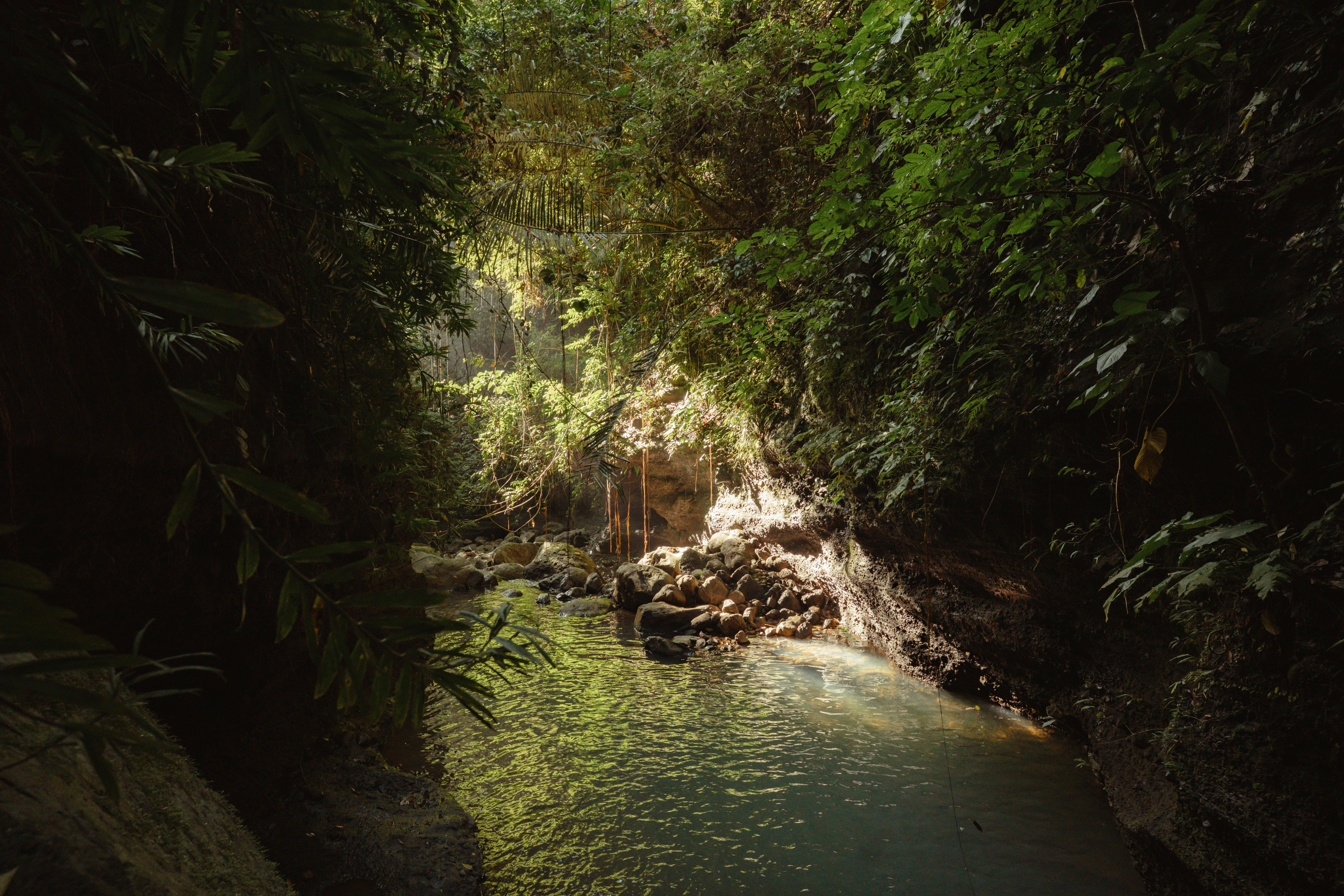
Wind whispers through the beech canopy as you approach the safety railing—your breath catching at the sudden, vertiginous drop of 138.5 meters (454 feet) into the earth's silent throat. Below, a hidden lake mirrors the sky in fragmented patches, its surface disturbed only by the occasional drip of water falling from stalactites far above. This is Macocha Abyss, a collapse doline formed approximately 13,000 years ago when an underground cavern's ceiling gave way, creating one of Central Europe's most dramatic natural chasms. The air carries the scent of damp limestone and forest humus; the distant echo of water striking rock reverberates through the chamber like a primordial heartbeat. You stand at the edge of deep time, where geological forces sculpted beauty through catastrophe, and where the Punkva River continues its patient journey through darkness far below. This place matters because it offers a tangible encounter with Earth's raw power—a reminder that beneath our feet lies a world shaped by patience, pressure, and the relentless artistry of water working stone.
Why Macocha Abyss Embodies Geological Drama
Macocha Abyss represents one of the Moravian Karst's most compelling geological phenomena, a natural wonder that solves a fundamental human curiosity: what happens when the ground itself gives way? Formed during the late Pleistocene approximately 13,000 years ago, the abyss emerged when an underground cavern—carved over millennia by the Punkva River's erosive power—could no longer support its own ceiling. The collapse created a vertical chasm measuring 174 meters long, 76 meters wide at the rim, and plunging 138.5 meters (454 feet) to the water level below—a scale that humbles human perspective.
The engineering marvels here are nature's own: the abyss walls reveal distinct Devonian limestone strata deposited 375 million years ago, when a shallow tropical sea covered this region. The vertical drop exposes geological history like pages in an ancient book: gray crinoidal limestone at the top, transitioning to darker, finer-grained layers below. At the abyss floor, the Punkva River maintains a constant flow of 120 liters per second, feeding two small lakes—Lower Macocha Lake (area: 1,200 m²) and Upper Macocha Lake (area: 800 m²)—that never freeze even in harsh winters due to geothermal warmth rising from deeper rock layers. The Czech Speleological Society documented the abyss's formation process through core sampling and stratigraphic analysis, confirming that collapse dolines like Macocha represent critical stages in karst landscape evolution. Today, Macocha fulfills a deeper need: it offers visceral connection to Earth's dynamic processes, allowing visitors to witness the dramatic results of forces that operate on timescales beyond human experience, reminding us that transformation—whether geological or personal—often begins with surrender.
The Best Time to Experience Macocha Abyss
The optimal window for visiting Macocha Abyss stretches from May 10 through September 25, when daytime temperatures above ground hover between 17–24°C (63–75°F) and forest trails remain dry for safe hiking. The sweet spot arrives in late May to mid-June (May 22–June 14), when visitor numbers remain moderate, natural light optimally illuminates the abyss walls between 10:00 AM–12:00 PM, and surrounding beech forests display vibrant spring green. Morning visits at 9:30–11:00 AM offer the best experience: the abyss is least crowded, angled sunlight creates dramatic shadows on limestone walls for photography, and you'll have energy for combining the viewpoint with Punkva Cave tours.
For atmospheric drama, September 8–22 provides crisp air, golden forest light, and temperatures of 14–20°C (57–68°F)—ideal for exploring the karst landscape between cave visits. Note that the abyss floor maintains a constant 7–9°C (45–48°F) year-round regardless of surface conditions. Avoid November 15–March 10, when forest trails become icy, daylight shrinks to 8 hours limiting combined activities, and temperatures drop to -3 to 4°C (27–39°F) with frequent frost on railings. Also skip July 15–August 10 during peak season, when Punkva Cave tour connections book 6–8 weeks in advance and parking at the abyss viewpoint fills by 10:00 AM.
Approximate Budget for a 7-Day Trip
This budget breakdown reflects mid-range travel preferences focused on experiencing Macocha Abyss within the broader Moravian Karst region. Prices are listed in euros (€) for international clarity, though local transactions use Czech koruna (CZK) at approximately 1€ = 25 CZK. Estimates assume solo travel; couples can reduce per-person accommodation costs by 30–40% through shared rooms. All figures reflect 2026 pricing research from official sources and verified traveler reports.
- Accommodation: €43–€84 per night for a double room in a three-star hotel or apartment in Blansko, Ostrov u Macochy, or Brno (30-minute drive to abyss). Budget pensions start at €29; eco-lodges near karst trails command €90–€150 nightly.
- Food: €25–€40 per day. Breakfast costs €4–€7 (hotel buffet with local cheeses and koláče pastries); lunch runs €7–€11 for Moravian classics like svíčková (beef sirloin) or kulajda (mushroom soup); dinner at mid-range restaurants averages €10–€17. Don't miss local specialties: Moravian wine tastings at €5–€9, and traditional bramboráky (potato pancakes) at €3–€5.
- Transportation: Round-trip bus from Prague to Brno (RegioJet/FlixBus) costs €9–€16; local bus #226 from Brno to Macocha viewpoint costs €3.50 single ticket or €4 for 24-hour regional pass. Rental car from Brno: €34–€54/day including insurance and fuel for flexible karst exploration.
- Attractions: Macocha Abyss viewpoint access: free; Punkva Caves with boat ride (includes abyss base access): €18; Balcarka Cave: €10; guided forest hike to abyss: €14; Moravian Karst Museum (Blansko): €4; binocular rental for abyss viewing: €3.
- Miscellaneous: Karst-themed souvenir (limestone formation replica): €7–€15; local speleology guidebook: €11–€19; warm layer rental at cave entrance: €3; travel insurance with adventure coverage: €21–€37 for the week.
Total estimated budget for 7 days: €540–€795 (excluding international flights to Prague)
7 Essential Macocha Abyss Experiences
- Stand at the upper viewpoint at sunrise: Arrive by 8:30 AM to experience Macocha Abyss in the soft, angled light of early morning. The upper viewpoint—secured with safety railings and accessible via a 10-minute forest path from the parking area—offers a panoramic perspective of the 138.5-meter (454-foot) vertical drop. Watch as sunlight illuminates the limestone walls, revealing stratified layers and vegetation clinging to rock faces. The quiet atmosphere before crowds arrive enhances the sense of awe; bring binoculars to spot the tiny speck of the Punkva boat tour far below. Free access; wear sturdy shoes for the forest path.
- Descend to the lower viewpoint: For a more intimate perspective, take the marked trail to the lower viewpoint (additional 15-minute descent via 280 stone steps). This vantage point sits just 30 meters (98 feet) above the abyss floor, offering dramatic close-ups of the underground lakes and the cave entrance where the Punkva River emerges. The cooler air (7–9°C / 45–48°F) and echoing acoustics create an immersive experience. Photography permitted without flash; the guide's explanations reveal how water continues to shape the abyss today. Allow 45 minutes round-trip; not recommended for visitors with mobility limitations.
- Combine with the Punkva Caves boat ride: Book the classic Punkva tour (€18, 75 minutes) to experience Macocha from below. After descending 40 meters via elevator and walking through limestone corridors, board small wooden boats that glide silently along the underground river. The journey culminates at the abyss base, where you gaze upward 138.5 meters to the sky—a vertiginous perspective impossible to replicate elsewhere. Tours depart hourly 9:00 AM–4:00 PM; book online 4–6 weeks ahead for summer dates. Wear warm clothing; cave temperature remains constant year-round.
- Hike the Macocha Loop Trail: Dedicate 2.5 hours to the marked 5.2-kilometer red trail circling the abyss and connecting to nearby karst features. The path winds through protected beech forest, passes sinkholes and limestone outcrops, and offers multiple viewpoints of the rugged landscape. Start at the main parking area and hike clockwise; the trail includes informational panels explaining karst formation processes. Best experienced in morning light (8:00–11:00 AM) when forest birds are active. Free access; bring water, snacks, and a trail map from the visitor center.
- Photograph the abyss at golden hour: For exterior shots, visit the upper viewpoint between 5:00–6:30 PM in summer when low-angle light illuminates the limestone walls and creates dramatic shadows. Use a polarizing filter to manage reflections on the underground lakes; tripods permitted on designated platforms. The contrast between the dark chasm and golden forest canopy creates compelling compositions. Respect safety railings and other visitors' experiences—avoid blocking viewpoints for extended setups.
- Attend a speleology lecture: On select Saturday afternoons (2:00–3:30 PM, May–September), the Moravian Karst Visitor Center hosts specialized talks by geologists and cave explorers (€8, booking required). Topics range from abyss formation mechanics to modern exploration techniques. The intimate setting creates meaningful dialogue between experts and enthusiasts. Book online at least 7 days ahead; lectures conducted in English with Czech translation available. A rare opportunity to deepen understanding beyond the viewpoint experience.
- Reflect at the memorial plaque: Near the upper viewpoint, a modest stone plaque commemorates early speleologists who documented Macocha in the 19th century. Take a moment to read the inscriptions (Czech and English) and reflect on the courage required to explore these depths before modern safety equipment. The site offers a quiet bench with partial abyss views—ideal for journaling or contemplation after the adrenaline of the viewpoint experience. Free access; maintain respectful silence in this commemorative space.
3 Hidden Gems Most Travelers Miss
- The Secret Forest Spring Near Macocha: A 15-minute hike from the lower viewpoint trail leads to a small, unmarked karst spring where water emerges from limestone fissures. The spring feeds a crystal-clear pool surrounded by ferns and moss—locals believe the water has special purity due to its deep underground journey. Access via the blue trail marker from the lower viewpoint path; follow signs to "Pramen" (Spring). Best visited mid-morning when light filters through the canopy onto the water's surface. Free access; respect the natural setting by packing out all waste and avoiding soap or contaminants.
- The Archivist's Historical Collection: On Thursday afternoons (2:00–4:00 PM), Moravian Karst Museum archivist Tomáš Novák occasionally displays original 19th-century exploration journals, historical photographs of early abyss descents, and maps documenting the Punkva River's course. This isn't advertised; express genuine interest in speleology history to visitor center staff, and they may invite you to view these fragile items in the climate-controlled archive room. Photography prohibited; note-taking encouraged. A small donation to cave conservation (€5–€10) is appreciated. Contact in advance: archiv@moravsky-kras.cz.
- The Dawn Birdwatching Platform: While most visitors come midday, a discreet wooden platform 300 meters northeast of the main viewpoint offers exceptional opportunities to observe raptors that nest in the abyss walls. Visit between 6:00–7:30 AM in spring and early summer to spot peregrine falcons, common ravens, and Eurasian eagle-owls hunting along the limestone cliffs. Bring binoculars and a field guide; the platform has a small bench and weather protection. Free access; maintain quiet to avoid disturbing nesting birds. A peaceful alternative to the crowded main viewpoint.
Cultural & Practical Tips
- Viewpoint etiquette: Maintain respectful volume at the abyss rim; sound carries dramatically in the chasm. Do not throw objects into the abyss—this endangers underground tour groups and damages fragile ecosystems. Photography is permitted without flash; drones require written permission from the Czech National Heritage Institute (apply at least 14 days in advance). Children must be supervised at all times near railings.
- Language essentials: While visitor center staff speak excellent English, learning basic Czech phrases shows appreciation. Key pronunciations: "Dobrý den" (DOH-bree den) = Hello; "Děkuji" (DYEH-koo-yee) = Thank you; "Propast" (PROH-pahst) = Abyss; "Na zdraví" (nah ZDRAH-vee) = Cheers. Many older residents also speak German due to the region's historical ties.
- Booking strategy: Reserve Punkva Cave tours 4–8 weeks in advance via the official website if combining with abyss viewing; slots fill quickly for weekend morning tours. The combined "Karst Explorer" ticket (€45) includes Punkva, Balcarka, and Macocha access—excellent value for serious enthusiasts. Students and seniors receive 20% discounts with valid ID; verify current rates online.
- Photography guidelines: Handheld shooting works well in available light; use ISO 1600+ for lower viewpoint shots without flash. The best exterior light occurs during golden hour (5:00–6:30 PM summer). Tripods permitted on designated platforms but may slow group progress—inform staff if using professional equipment. Respect other visitors' experiences—avoid blocking viewpoints for extended setups.
- Weather and packing: Abyss viewpoints are exposed to wind and weather; pack layers even in summer as temperatures can drop 5–7°C (9–13°F) at the rim. Surface trails can be muddy after rain; wear waterproof hiking shoes with good grip. Bring a small backpack for water, snacks, and extra clothing; lockers available at visitor center for €2.
- Accessibility considerations: The upper viewpoint is wheelchair-accessible via paved path; the lower viewpoint involves 280 stone steps not suitable for mobility devices. Visitor center exhibits and parking areas are fully accessible. Service animals welcome in surface areas; inform staff when booking cave tours. First aid station at visitor center; emergency contact: +420 516 434 111.
- Combining with regional sights: Macocha Abyss pairs perfectly with Punkva Caves (connected via underground tour) or the Moravian Karst Museum in Blansko (15-minute drive). Allow 3–4 hours total: 45 minutes for viewpoint exploration, 75 minutes for Punkva tour if combined, plus travel time. The nearby Restaurant U Macochy serves excellent Moravian cuisine with forest-view terraces—ideal for post-exploration meals.
Conclusion: Travel with Humility, Not Just Spectacle
Macocha Abyss invites more than a photograph—it asks for humility. As you stand at the rim of a chasm carved by time and water, you connect with forces that operate on scales beyond human control. This isn't sightseeing; it's bearing witness to transformation—how collapse can create beauty, how depth can reveal clarity. When you gaze into the abyss at dusk, watching shadows lengthen across limestone walls, let the vertical expanse recalibrate your perspective. In an age of surface-level experiences, choose to value what requires patience, pressure, and surrender to create. Leave the Moravian Karst not just with images, but with a renewed commitment to mindful wonder—honoring places that remind us of nature's quiet power, and our responsibility to preserve such wonders for generations who will also stand at the edge, breathless, and understand. The abyss has stood for 13,000 years; it will still be here tomorrow, waiting for those who come not just to see, but to truly feel.