
Ria Formosa Lagoons: Where Tidal Ecosystems Meet Algarve Avian Splendor
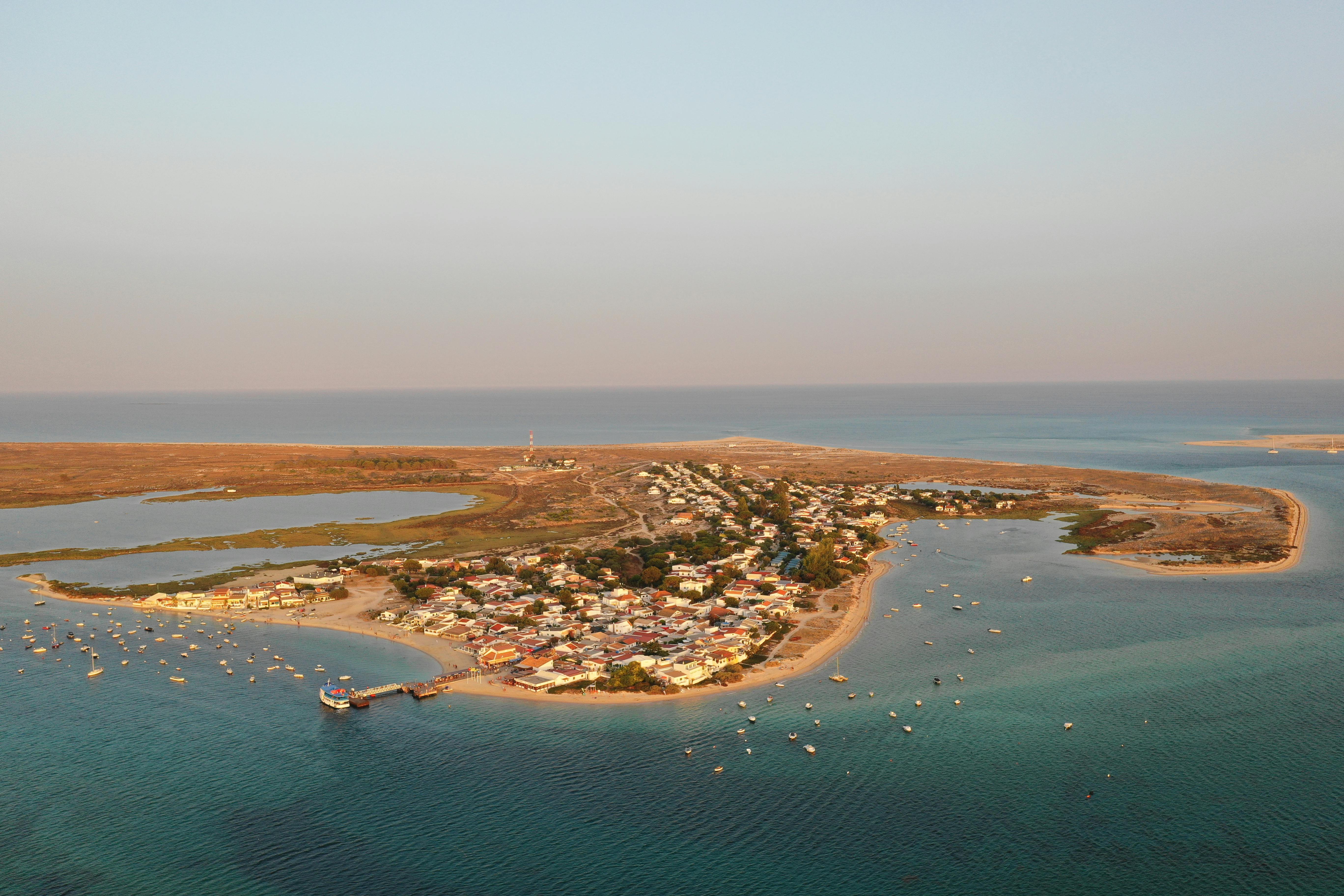
Dawn breaks over the Algarve, painting the shallow waters of the Ria Formosa lagoons in ethereal shades of peach and lavender. You stand on the wooden boardwalk of Praia de Faro, listening to the rhythmic squawk of black-winged stilts and the gentle slosh of water against the hulls of anchored fishing boats. The air smells intensely of sea lavender, drying algae, and the sharp, briny tang of evaporating salt. Before you unfolds a sweeping wetland mosaic—60 kilometers (37 miles) of interconnected lagoons, mudflats, and sandy barrier islands stretching from Faro to Cacela Velha. The tide is retreating, exposing vast expanses of silver mud dotted with probing egrets and scurrying fiddler crabs. Separated from the pounding Atlantic by a chain of five ancient barrier islands, this sheltered estuary functions as one of Europe’s most vital natural waterways. The Ria Formosa lagoons matter because they serve as the critical, breathing lungs of the southern Portuguese coast—a pristine, highly engineered interface where the raw power of the ocean is filtered into a fragile sanctuary that sustains millions of migratory birds and a unique maritime culture.
Why Ria Formosa Lagoons Embody Tidal Ecosystems
The Ria Formosa lagoons embody tidal ecosystems because they ingeniously solve the profound geological problem of buffering a violent coastline while simultaneously supporting an explosion of biodiversity. Formed millennia ago by a complex interplay of rising sea levels and shifting river sediments, the lagoon system was historically unstable, prone to destructive flooding that threatened the inland communities. To solve this, coastal engineers and nature ultimately forged a compromise: the five barrier islands—Ilha de Faro, Barreta, Culatra, Armona, and Cacela—act as a massive, natural breakwater. These sandy barriers dissipate the immense kinetic energy of Atlantic swells, reducing wave heights by up to 3 meters (10 feet) before they enter the inner channels. Behind this protective shield, the lagoon operates as a highly efficient biological engine. The water is a dynamic mix of fresh and saltwater, creating a steep salinity gradient that dictates exactly where different species can survive. The mudflats are composed of incredibly fine, nutrient-rich silt carried down from the Guadiana River, providing a limitless food source for benthic invertebrates. This microscopic abundance, in turn, supports up to 30,000 wintering waterfowl and a staggering 200 species of migratory birds, proving that the lagoon is not just a body of water, but a meticulously balanced, life-giving hydraulic machine.
The Best Time to Experience Ria Formosa Lagoons
To experience the Ria Formosa lagoons in their most vibrant and active state, plan your visit between April 10 and May 25. During this precise window, the spring migration is at its peak, bringing rare species like the purple heron and the collared pratincole to the wetlands. Daytime temperatures are perfectly mild, hovering between 18°C and 24°C (64°F–75°F), allowing for hours of comfortable exploration along the exposed boardwalks without the brutal exhaustion of summer heat. Arrive precisely between 6:30 and 8:00 AM. At this early hour, the water is glassy and undisturbed, the golden light creates perfect reflections on the lagoon surface, and the birds are most actively feeding in the shallow tidal pools. You should strictly avoid July 20 through August 25. During these weeks, temperatures routinely exceed 35°C (95°F), the intense sun creates blinding glare off the water, and the shallow channels emit a distinct sulfurous odor as warm water stagnates in the mudflats. For real-time tidal charts, bird migration alerts, and eco-tourism operator schedules.
Approximate Budget for a 7-Day Trip
Estimating costs for an eco-immersion into the Ria Formosa lagoons requires factoring in the highly accessible, rustic nature of the Algarve's eastern coast. This budget reflects a nature-focused traveler prioritizing sustainable water transport and hyper-local seafood over mainstream resort amenities.
- Accommodation: €65–€95 per night (a traditional whitewashed guesthouse in the historic market town of Olhão, featuring a rooftop terrace overlooking the lagoon docks)
- Food: €35 per day (Breakfast €4 for a strong bica espresso and a local almond tart; Lunch €12 for a hearty massa de peixe [fish stew] at a waterfront taverna; Dinner €19 for charcoal-grilled bream paired with a crisp Vinho Verde)
- Transportation: €30 total (€14 for a round-trip comboios de Portugal train ticket from Faro to Olhão; €16 for a multi-day pass on the traditional calhau water taxis connecting the barrier islands)
- Attractions: €45 total (€20 for a guided ornithological boat tour through the inner channels; €15 for a hands-on oyster farming experience at a local mariculture station; €10 for entry to the Ria Formosa Nature Park visitor center in Quinta do Marim)
- Miscellaneous: €20 total (a jar of locally harvested flor de sal [sea salt], hand-painted ceramic tiles depicting local wading birds, and high-SPF reef-safe sunscreen)
Total: €795–€1,035
6 Essential Ria Formosa Lagoons Experiences
- Board the Water Taxi from Olhão Market: Arrive at the historic market building and step onto a traditional, brightly painted wooden boat. Feel the diesel engine vibrate through the deck as the captain navigates the narrow, channel-cutting current. The 20-minute crossing to Ilha da Culatra immerses you in the briny breeze, offering panoramic views of the sprawling salt pans and thatched fisherman huts.
- Count the Flamingos at Ludo: Walk the elevated wooden boardwalks near the Ludo section of the lagoon just after sunrise. Bring binoculars and focus on the shallow, pink-tinged pools. You will see hundreds of greater flamingos filtering the mud through their specialized beaks; the harsh, guttural murmuring of the flock creates a prehistoric, echoing soundtrack that reverberates across the flat wetlands.
- Taste Oysters Straight from the Water: Hire a small boat to take you to the floating oyster farms in the channels near the barrier islands. Watch the farmers haul up mesh bags dripping with algae. Eat a freshly shucked oyster directly on the boat—the meat is startlingly sweet, briny, and finishes with a metallic, coppery tang that perfectly captures the essence of the lagoon.
- Kayak the Labyrinthine Channels: Launch a sea kayak from the beach at Praia de Faro during high slack tide. Paddle silently through the narrow, mangrove-like corridors where the only sound is the dip of your paddle. Navigate around submerged sandbars, feeling the tactile pull of the changing current as you weave through a maze of low-lying marsh grass that towers over your head.
- Walk the Salt Pans of Santa Maria: Visit the geometric basins near the airport perimeter. The stark white salt pyramids stand in sharp contrast to the blue sky. Reach down and touch the crystalline crust along the evaporation ponds; the intense, mineral-rich texture crunches beneath your fingers, offering a tactile connection to an ancient Algarve industry that dates back to the Roman occupation.
- Witness the Twilight Roost at Quinta do Marim: Stand on the perimeter fence of the nature park headquarters an hour before dusk. As the sun dips below the horizon, thousands of waterfowl—spoonbills, avocets, and stilts—return from their daytime feeding grounds to roost in the protected reed beds. The sky fills with chaotic, swirling silhouettes against a bruised purple sky.
3 Hidden Gems Most Travelers Miss
- Cemitério das Âncoras: Located on the western edge of Olhão, this open-air maritime museum is routinely missed because tourists rarely wander past the modern marina. To find it, walk 15 minutes west along the waterfront until you reach a fenced enclosure containing hundreds of massive, rusted iron anchors stacked like fossils. It is completely free to enter and offers a deeply atmospheric, haunting photographic contrast against the calm lagoon water.
- Ilha de Cabanas Sandbar Crossing: This tiny fishing village is often overlooked because the main tourist ferries skip it in favor of Culatra. To access it, drive to the village of Cabanas and wait for low tide. When the water recedes, a temporary sandbar emerges, allowing you to walk directly across the lagoon floor to the island—a surreal, temporary pathway that vanishes beneath the returning tide six hours later.
- Olhão Câmara Municipal Market Upper Balcony: While tourists visit the ground floor, they rarely climb to the upper balcony of this Moorish-style building. To access it, enter the bustling fish market and take the stairs at the back. The vantage point provides a stunning, elevated panorama of the lagoon, the fishing fleet, and the distant barrier islands, framed by the market's beautiful, intricate azulejo tile work.
Cultural & Practical Tips
- Respect the nesting habitats by staying strictly on the marked wooden boardwalks; walking on the mudflats destroys the fragile burrows of the natterjack toads and forces ground-nesting birds to abandon their eggs.
- Learn basic Portuguese courtesies to show respect to the local fishermen: say "Bom dia" (good morning, pronounced "bom dee-ah") when boarding the water taxis, and use "Obrigado" (thank you, pronounced "oh-bree-gah-doo") when purchasing your fresh catch.
- Use a long telephoto lens for bird photography; the birds in the Ria Formosa are highly skittish. A focal length of at least 300mm is required to capture detailed images of flamingos and herons without disturbing their natural feeding cycles.
- Monitor the tidal charts obsessively; many of the lagoon's most beautiful channels are completely unnavigable at low tide, stranding kayakers on impassable mudbanks for hours until the water returns.
- Wear polarized sunglasses; the intense glare reflecting off the white salt pans and the shallow water causes severe eye strain and completely washes out the subtle colors of the migratory birds.
- Pack a lightweight windbreaker regardless of the season; the lagoon is entirely devoid of windbreaks, and the Nortada (northerly wind) whips across the open water with surprising, bone-chilling force, even on warm afternoons.
Conclusion: Travel with Ecological Reverence, Not Just Sightseeing
The Ria Formosa lagoons demand a much deeper engagement than simply snapping a photograph of a pink flamingo from a tourist boat; they require an active awareness of the incredibly delicate balance that sustains this immense wetland. When you choose to paddle a silent kayak instead of a noisy motorized vessel, or spend your euros directly with the traditional mariculture farmers who harvest oysters sustainably, you honor the intricate biological machinery of the estuary. Mindful travel here means resisting the urge to treat the lagoon as a mere scenic backdrop for your vacation. It means understanding that your presence in this environment has a direct impact—either helping to preserve the tidal ecosystem or contributing to its slow degradation. By staying on the boardwalks, respecting the nesting seasons, and taking the time to understand the complex salinity gradients that make this place so uniquely fertile, you actively participate in its survival. Let the retreating tide remind you that true ecological wealth is found in the margins. In a wetland defined by constant flux, the greatest privilege you can claim is the patience to simply stand still and watch the mud settle.