
Tavira Roman Bridge: Where Imperial Engineering Meets Algarve Tidal Waters
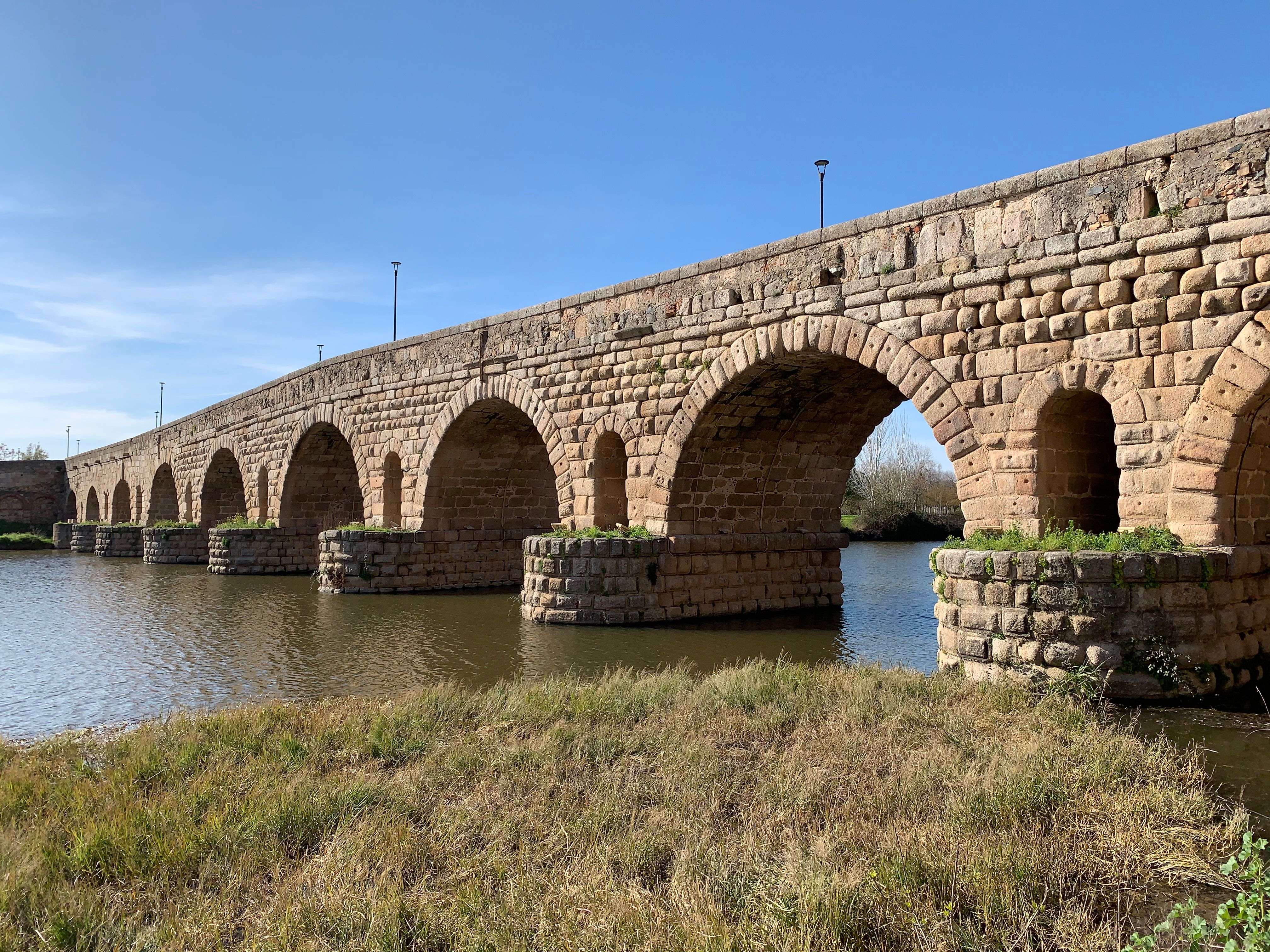
Morning mist clings to the Gilão River, softening the angular silhouettes of the Tavira Roman bridge into a watercolor of grey and gold. You stand on the uneven limestone paving, listening to the gentle, rhythmic slap of tidal water against the solid masonry piers. The air smells intensely of salt marshes, wet stone, and the roasted-chestnut aroma drifting from the nearby bakeries. Spanning roughly 60 meters (197 feet) across the estuary, the bridge stretches toward the distant, terracotta-roofed skyline of Tavira. Its four distinctive arches—two larger central spans flanked by two smaller ones—rise gracefully from the water, their irregular, slightly pointed profiles reflected perfectly in the glassy surface below. Originally constructed to connect the twin halves of the ancient Roman settlement of Balsa, this structure has served as the vital, pulsing artery of the town for nearly two millennia. The Tavira Roman bridge matters because it is not merely an antiquarian ruin; it is a living, load-bearing piece of infrastructure that physically anchors the architectural identity of the eastern Algarve, seamlessly blending imperial ambition with tranquil riverine beauty.
Why Tavira Roman Bridge Embodies Imperial Engineering
The Tavira Roman bridge embodies imperial engineering because it solved the critical logistical problem of controlling trade across a volatile, tidal estuary. During the late first century, Roman administrators needed a permanent, weather-resistant crossing to move fish, salt, and copper between the river's agricultural banks. To achieve this, Roman engineers designed a structure capable of withstanding the immense lateral pressure of Atlantic tides. While the visible stonework we see today dates primarily from the mid-seventeenth century—rebuilt after a devastating earthquake destroyed much of the original masonry—the bridge still rests upon the exact, unyielding Roman foundations. The original Roman builders solved the problem of shifting river silt by driving massive timber piles deep into the clay riverbed, upon which they laid thick courses of local limestone and red sandstone ashlar. The current arches feature a distinctly pointed profile, a modification made during the seventeenth-century reconstruction to allow storm surges to pass more efficiently beneath the roadway without smashing against the bridge's soffits. The roadway itself measures a precarious 5.5 meters (18 feet) in width, paved with massive, worn granite slabs that have been polished smooth by centuries of foot, cart, and animal traffic. Every architectural decision—from the tapered piers that cleave the current to the slightly raised central crown that sheds rainwater—demonstrates a highly calculated, pragmatic approach to hydraulic engineering that has kept this crossing functional long after the empire fell.
The Best Time to Experience Tavira Roman Bridge
To experience the Tavira Roman bridge in its most poetic state, plan your visit between April 20 and May 30. During this specific window, the surrounding salt marshes are vividly green, the spring migratory birds are active, and daytime temperatures remain a comfortable 18°C–24°C (64°F–75°F)—ideal for lingering on the exposed stone without overheating. Arrive precisely between 7:30 and 9:00 AM. At this early hour, the river is often perfectly still, acting as a flawless mirror that doubles the visual impact of the arches, and the soft morning light illuminates the varying textures of the sandstone and limestone without harsh shadows. You should firmly avoid July 20 through August 30. During these weeks, temperatures routinely exceed 35°C (95°F), the reflected glare off the water and white buildings is blinding, and the narrow bridge becomes a congested corridor of heavily laden tourists. For live webcams of the river conditions, heritage trail maps, and municipal festival schedules.
Approximate Budget for a 7-Day Trip
Estimating costs for a cultural immersion into the history of the Tavira Roman bridge requires factoring in the highly favorable pricing of the eastern Algarve, a region that remains refreshingly authentic and affordable compared to the central coast. This budget reflects a mid-range traveler prioritizing historic charm, riverfront dining, and regional gastronomy over modern resort luxury.
- Accommodation: €65–€95 per night (a restored nineteenth-century townhouse in the historic center, featuring traditional azulejo tiles and views of the Gilão River)
- Food: €35 per day (Breakfast €4 for a strong bica espresso and a local pastel de nata; Lunch €11 for a hearty caldeirada [fish stew] at a riverside tavern; Dinner €20 for grilled black pork with roasted chestnuts at a family-run restaurant)
- Transportation: €30 total (€26 for a round-trip Rede Expressos bus ticket from Faro to Tavira; €4 for local taxis connecting the bus station to the riverside quarter)
- Attractions: €12 total (€6 for the Camera Obscura at the old water tower; €6 for combined entry to the Islamic Art Museum and the Santa Maria do Castelo church)
- Miscellaneous: €20 total (a jar of locally harvested sea salt, hand-painted ceramic tiles depicting the bridge, and premium regional craft beer)
Total: €602–€892
6 Essential Tavira Roman Bridge Experiences
- Walk the Length at First Light: Step onto the bridge from the western bank just as the sun clears the horizon. Feel the rough, uneven granite slabs beneath your boots; notice how the center of the pathway is worn into a deep, concave groove by centuries of passing carts. Look over the low parapet to watch the tide gently creeping beneath the arches, slowly filling the estuary with turquoise water.
- Touch the Varying Masonry: Pause at the central pier to examine the exposed stonework. Run your fingers over the sharp, angular edges of the red sandstone blocks. Compare them to the smoother, paler limestone blocks interspersed throughout the arches; this tactile mixture is the physical signature of the seventeenth-century reconstruction over the original Roman core.
- Photograph the Perfect Reflection: Position yourself on the eastern bank near the rectangular tide mill at dead low tide. The water in this stretch becomes completely still, acting as a flawless mirror. Frame your shot to capture the pointed arches and the pastel facades of the riverside houses seamlessly continuing into their aquatic reflections below.
- Stand on the Central Pier: Carefully step down onto the wide, stone-cut towpath leading to the central dividing pillar. Lean against the rough-hewn stone and look straight down the river. From this exact vantage point, you can see how the bridge perfectly frames the convergence of the Gilão River and the Atlantic estuary, feeling the subtle vibration of the water flowing past your feet.
- Watch the Fishing Boats Pass Underneath: Sit on the low stone wall near the Praça da República at mid-morning. Watch the traditional, brightly painted barcos calões navigate the narrow central arch. The fishermen expertly steer their flat-bottomed vessels just inches from the ancient stonework, providing a stunning contrast of living maritime culture against static imperial engineering.
- Cross at Blue Hour: Return to the bridge as dusk settles over Tavira. The gas lamps lining the adjacent streets flicker to life, casting a warm, amber glow onto the limestone arches. The noise of the town fades, replaced by the echoing splash of jumping mullet in the dark water below, creating an atmosphere of profound, timeless isolation.
3 Hidden Gems Most Travelers Miss
- Jardim do António Rodrigues: Located directly above the western end of the bridge, this elevated garden is routinely missed because its entrance is a narrow, unmarked doorway tucked between two restaurants. To access it, walk up the stairs next to the bridge and look for the wrought-iron gate. The garden features a hidden gem: a terraced viewing platform that offers a breathtaking, top-down perspective of the bridge arches framing the river, completely free of the crowds gathered on the street level below.
- Núcleo Islâmico (Islamic Quarter): Situated just 50 meters (164 feet) from the bridge's eastern abutment, this archaeological site is overlooked because tourists are drawn straight to the main church. To find it, walk up Rua da Judiaria. The site contains the exposed, intricate foundations of an eleventh-century Islamic quarter, including a hidden bathhouse, providing crucial historical context for the layers of occupation the bridge has witnessed.
- The Riverbank Tide Mill (Moinho de Maré): A small, cube-shaped stone building sitting directly on the water’s edge near the bridge. It is ignored because visitors assume it is a private residence. To appreciate it, read the small historical plaque on the wall. This restored mill used the tidal power of the river—channeled beneath the bridge's arches—to grind grain, perfectly demonstrating how the bridge's engineering directly powered the town's early economy.
Cultural & Practical Tips
- Mind your step on the bridge's uneven surface; the gaps between the ancient granite paving slabs can be surprisingly wide, and the polished stone becomes treacherously slippery when exposed to morning dew or light rain.
- Maintain a single-file line when crossing during peak hours; the bridge is an active pedestrian thoroughfare without a designated center line, and locals commuting on bicycles will not hesitate to ring their bells if you block the narrow path.
- Learn basic Portuguese courtesies to show respect to the older residents: say "Bom dia" (good morning, pronounced "bom dee-ah") to the fishermen mending their nets nearby, and use "Com licença" (excuse me, pronounced "com lee-sen-sa") when passing someone on the narrow span.
- Use a lightweight travel tripod for low-light photography; the bridge's low parapets make it impossible to steady a heavy camera rig in the wind, and leaning against the soft limestone is strictly prohibited to prevent erosion.
- Check the tidal charts before planning your river walk; the Gilão estuary is heavily tidal, and during high spring tides, the water level can rise to within inches of the bridge's underside, creating a thrilling but damp microclimate that will soak your shoes if you stand too close to the edges.
- Be prepared for sudden, fierce coastal winds; the river channel acts as a wind tunnel, and even on a calm day in town, standing on the exposed center of the bridge can subject you to gusts that will easily rip a hat from your head.
Conclusion: Travel with Historical Empathy, Not Just Sightseeing
The Tavira Roman bridge demands a much deeper engagement than a quick walk from one riverbank to the other; it requires an active awareness of the immense weight of history you are physically traversing. When you choose to pause on the central pier, feeling the rough, seventeenth-century stone under your palm and acknowledging the Roman foundations hidden beneath the dark water, you honor the continuous human effort required to keep this crossing alive. Mindful travel here means resisting the urge to simply treat the bridge as a static backdrop for vacation photographs. It means understanding that this structure has survived floods, earthquakes, and the collapse of empires precisely because it was designed to be useful, not merely beautiful. By respecting the pedestrian right-of-way, avoiding the erosion of the soft limestone parapets, and spending your euros in the historic riverside tavernas that rely on this ancient route, you actively participate in its ongoing preservation. Let the rhythmic flow of the tidal waters beneath your feet remind you that true resilience is found in adaptation. In a town defined by its river crossing, the greatest privilege you can claim is the patience to simply stand still and listen to the current.