
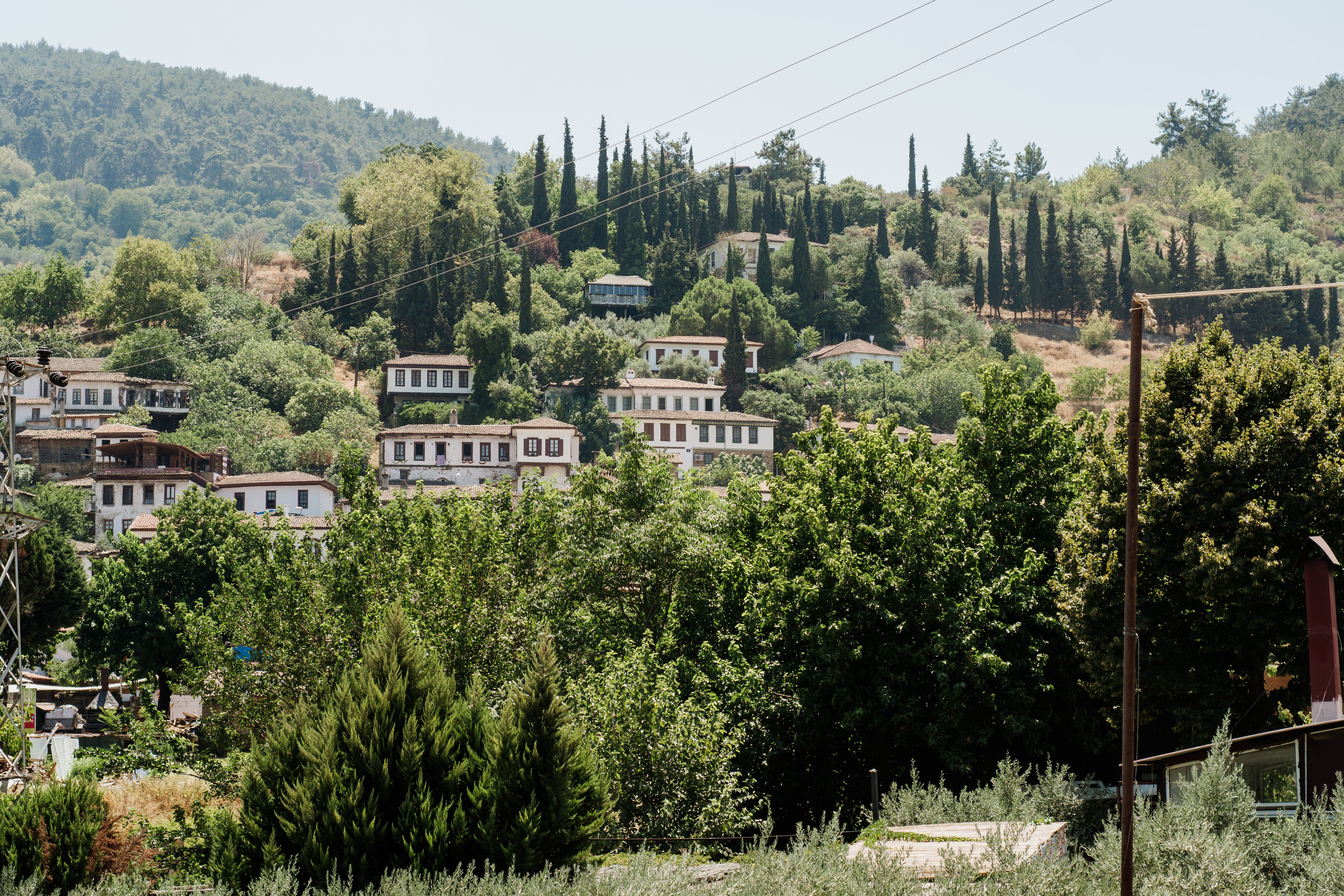
Şirince: Where Ancient Vineyards Meet Hillside Stone Houses
The late afternoon sun bathes terracotta rooftops in liquid gold as you ascend the winding cobblestone path toward Şirince, where whitewashed stone houses cascade down a hillside at 350 meters elevation, framed by terraced vineyards that have produced wine for over two millennia. The air carries the scent of sun-warmed grapes, wild thyme from the surrounding slopes, and the faint aroma of oak barrels from family wineries tucked into stone cellars. You hear the gentle clink of wine glasses from hillside terraces, the distant murmur of Turkish from narrow lanes, and the soft rustle of grape leaves in the Aegean breeze. Before you stretches a village of extraordinary charm: over 800 restored Greek-style stone houses with red-tiled roofs, narrow cobblestone streets too steep for cars, and boutique wineries where vintners craft small-batch wines from indigenous grape varieties grown on slopes that have known viticulture since ancient Ephesus flourished just 8 kilometers away. This isn't merely a wine destination—it's a living museum where Ottoman heritage meets contemporary oenology, where ancient terracing techniques sustain modern vineyards, and where travelers can experience the authentic rhythm of Turkey's most picturesque wine village while sipping vintages that tell stories of civilizations past.
Why Şirince Embodies Viticultural Heritage
Şirince represents far more than a charming hillside village—it embodies the extraordinary continuity of Aegean viticulture where ancient winemaking traditions, Greek architectural heritage, and contemporary Turkish wine culture converge. Settled as a Greek village called Çirkince in the 15th century and renamed Şirince ("pretty") in 1926, this hillside community has produced wine for over 2,000 years, solving fundamental challenges of mountain viticulture: maximizing sun exposure on steep slopes, managing water drainage in Mediterranean climate, and preserving indigenous grape varieties through centuries of cultural change.
The viticultural engineering is remarkable. Vineyards are terraced on slopes with gradients of 15-35 degrees, using dry-stone retaining walls built without mortar—a technique dating to Hellenistic times that prevents soil erosion while allowing optimal drainage. The village's elevation of 350 meters creates a microclimate with diurnal temperature variations of 15-20°C between day and night, essential for developing complex flavors in grapes. Indigenous varieties like Bornova Misketi, Sultaniye, and Çalkarası thrive in the limestone-rich soils, while traditional fermentation methods in clay amphorae and oak barrels preserve historical winemaking techniques. The village's 800+ stone houses feature thick walls (60-80 centimeters) that naturally regulate temperature—ideal for wine storage in cellars carved directly into the hillside.
What makes Şirince unique is its cultural layering: Greek Orthodox churches stand alongside Ottoman-era fountains, stone houses display both Christian crosses and Islamic motifs, and wineries blend traditional methods with modern oenology. This convergence of architectural heritage, viticultural tradition, and contemporary wine culture—where ancient terraces support modern vineyards, where Greek stone houses shelter Turkish winemakers, where history ferments into the present—creates a destination that invites travelers to contemplate how civilizations preserve identity through the land they cultivate and the wines they create.
The Best Time to Experience Şirince
To experience Şirince at its most enchanting, plan your visit between May 15–June 20 or September 10–October 25, when daytime temperatures range from 20-28°C (68-82°F) and vineyards bloom with grape clusters or glow with autumn harvest colors. During these windows, you'll enjoy comfortable conditions for walking steep cobblestone lanes, wine tasting on hillside terraces, and photography without summer's crowds or winter's chill.
For optimal photography of stone houses and vineyard vistas, arrive at key viewpoints at 7:00–8:30 AM when morning light illuminates eastern facades, casting golden tones on whitewashed walls. Alternatively, visit at 5:30–7:00 PM during golden hour when warm light transforms terracotta roofs into amber tones and long shadows emphasize the village's dramatic hillside setting. The village's appearance shifts dramatically throughout the day—from pale cream at dawn to warm copper at sunset—making timing crucial for capturing its full beauty.
Avoid the peak summer period of June 25–August 20 when temperatures can exceed 35°C (95°F) on the exposed hillside, making the steep climb uncomfortable and drawing maximum crowds with day-trippers from Ephesus and Kuşadası. While summer offers reliable weather and vibrant vineyard growth, the experience can feel rushed and accommodation prices surge 150-200%. Winter months (November–March) bring temperatures of 5-14°C (41-57°F) during the day but can drop to 0°C (32°F) at night; rain makes cobblestone pathways extremely slippery, and many wineries reduce tasting hours or close for renovation.
Approximate Budget for a 7-Day Trip
Visiting Şirince requires basing yourself in the village itself or nearby Selçuk (8 kilometers away), with day trips to explore local wineries, Ephesus, and the Aegean coast. The following budget assumes moderate travel style—comfortable boutique pensions in stone houses, authentic Aegean cuisine with wine pairings, and a mix of public transportation and occasional taxis. Prices are listed in euros for international travelers, though Turkey uses the Turkish Lira (₺).
- Accommodation: €35–€65 per night in Şirince village center. Budget pensions in restored stone houses start at €28; boutique cave hotels with vineyard views run €68-95. Staying in Şirince provides immediate access to wineries and village atmosphere while Selçuk offers more amenities and lower prices.
- Food: €16-25 per day total. Breakfast: €5-7 for traditional Turkish breakfast with menemen, local cheese, olives, honey, and çay. Lunch: €5-9 for regional specialties like Şirince köfte, stuffed grape leaves, and Turkish pide at village tavernas. Dinner: €8-13 for sit-down meals featuring wine-paired Aegean cuisine, grilled meats, local wines, and baklava.
- Transportation: Round-trip flight to İzmir Adnan Menderes Airport from Istanbul: €60-130. Airport shuttle to Selçuk: €10. Local dolmuş Selçuk to Şirince: €2 each way. Taxi within region: €8-15 per trip. Car rental: €35/day.
- Attractions: Şirince wine tasting (3 wineries): €15-25. Ephesus archaeological site: €22. Şirince village walking tour: Free. Olive oil workshop: €12. Guided viticulture tour: €38.
- Miscellaneous: Local Şirince wines: €8-18/bottle. Handwoven textiles: €32-90. Traditional pottery: €18-50. Regional guidebook: €12.
Total 7-Day Budget: €475–€695 per person (excluding international flights to Turkey)
7 Essential Şirince Experiences
- Wine Tasting at Hillside Wineries: Visit three family-run wineries perched along Şirince's slopes for tastings of indigenous varieties. Start at 10:00 AM when palates are fresh. Sample Bornova Misketi (floral white), Çalkarası (light red), and Sultaniye (sweet dessert wine). Most tastings cost €5-8 and include 4-6 wines with commentary on terroir and production methods. The best wineries offer terrace seating with panoramic vineyard views—arrive early to secure outdoor tables. Allow 2-3 hours for a leisurely tasting circuit.
- Walk the Cobblestone Lanes at Dawn: Explore Şirince's narrow, car-free streets at 7:00 AM when morning light illuminates whitewashed stone houses and the village is quiet before day-trippers arrive. Wander uphill from the main square, noting architectural details: wooden balconies, carved stone doorframes, and bougainvillea cascading over walls. The climb gains 100 meters elevation over 800 meters distance—wear comfortable shoes. Best photographed between 7:00–8:30 AM when directional light emphasizes textures.
- Visit the Greek Orthodox Churches: Explore Şirince's two historic churches—Agios Dimitrios and Agios Ioannis—built in the 18th century and restored after the 1920s population exchange. These structures feature distinctive bell towers, stone construction, and interior frescoes (some restored). Entry is free; visit between 9:00 AM–12:00 PM when natural light illuminates interior details. The churches reveal the village's Greek heritage and offer peaceful contemplation away from wine-tasting crowds.
- Dine on Wine-Paired Aegean Cuisine: Experience hillside dining at restaurants specializing in local wines paired with traditional Aegean dishes. Order meze platters featuring stuffed vine leaves, grilled octopus, and local cheeses alongside Şirince vintages. The best tables offer vineyard views. Visit for dinner between 7:00–9:00 PM when the atmosphere is most romantic and the catch is freshest. Expect to pay €20-30 for a full meal with wine pairings.
- Explore Traditional Crafts Workshops: Visit artisan studios where local craftspeople practice traditional techniques: pottery making using local clay, olive wood carving, and hand-weaving with Aegean wool. Many workshops offer demonstrations and hands-on experiences (€10-15 for 30-minute sessions). Visit mid-morning (10:00 AM–12:00 PM) when artisans are most active. Purchase directly from makers to support traditional livelihoods and take home authentic souvenirs.
- Watch Sunset from Village Summit: Climb to Şirince's highest point for panoramic views across terraced vineyards toward the Aegean Sea and distant Ephesus ruins. The 15-minute ascent rewards with 360-degree vistas of the village's terracotta roofs glowing amber in golden light. Visit at 6:00–7:30 PM when the setting sun creates spectacular photography opportunities. Bring water and wear sturdy shoes—the path is steep and uneven.
- Join a Harvest Experience (Seasonal): If visiting in September–October, participate in grape harvest activities at participating wineries. Experience traditional grape picking, learn about sorting and crushing techniques, and enjoy a harvest lunch featuring fresh produce and new wine. Book in advance (€35-50 per person, includes lunch and wine). This immersive experience reveals the agricultural rhythms that sustain Şirince's wine culture and connects you with generations of vintners.
3 Hidden Gems Most Travelers Miss
- The Ancient Wine Press at Village Edge: Tucked behind a stone wall at Şirince's northern edge, a rock-cut wine press dating to the Byzantine period still displays channels and collection basins carved directly into bedrock. Most visitors overlook this feature because it's not prominently signposted. Access: From the main square, walk north along the upper village path for 400 meters; look for a stone archway partially hidden by vegetation. Best examined mid-afternoon (2:00–4:00 PM) when light reveals carved details. No entrance fee; allow 15 minutes to appreciate this tangible connection to two millennia of viticultural heritage.
- The Secret Vineyard Terrace: A lesser-known terraced vineyard on Şirince's eastern slope, accessible via an unmarked path, offers intimate wine tasting with family vintners who rarely receive tour groups. Most tourists stay at commercial wineries near the main square, missing this authentic experience. Access: Ask at your accommodation for directions to "aile şarapçısı" (family winery) on the eastern slope; local hosts will guide you. Best visited late afternoon (4:00–6:00 PM) when vintners have time for personalized tastings. Bring cash for direct purchases; this experience supports small-scale producers preserving indigenous varieties.
- The Hidden Fountain with Ottoman Inscription: Near the village's upper church, a stone fountain with Arabic calligraphy and floral motifs carved in the 19th century offers a quiet moment of reflection away from crowds. Most tourists miss it because it's tucked in a narrow alley. Access: From Agios Dimitrios church, follow the cobblestone path upward for 100 meters; the fountain appears on the left. Best photographed mid-morning (10:00 AM–12:00 PM) when light illuminates carved details. No entrance fee; respect the historical structure and consider leaving a small donation for maintenance.
Cultural & Practical Tips
- Respect Village Heritage: Şirince preserves both architectural heritage and viticultural traditions. Stay on marked pathways to protect terraced vineyards and historic structures. Do not remove stones, pottery fragments, or disturb agricultural areas. Speak quietly in residential lanes to maintain the village's tranquil atmosphere.
- Wine Tasting Etiquette: Most wineries welcome visitors without reservations, but booking ahead ensures personalized attention. Tastings typically cost €5-8 and include 4-6 wines. It's customary to purchase at least one bottle if you've enjoyed the experience. Drink responsibly—Şirince's steep paths require steady footing. Arrange transportation if planning extensive tastings.
- Essential Phrases: "Teşekkür ederim" (teh-shek-kür eh-deh-rim) = Thank you; "Şirince nerede?" (shee-rin-jeh neh-reh-deh) = Where is Şirince?; "Ne kadar?" (neh kah-dar) = How much?; "Şarap tadımı var mı?" (shah-rahp tah-duh-muh var muh) = Do you have wine tasting?; "Hoş geldiniz" (hosh gel-din-iz) = Welcome.
- Physical Preparedness: Exploring Şirince involves walking on steep, uneven cobblestone paths with gradients up to 20 degrees. The village is not wheelchair-accessible. Wear sturdy, closed-toe shoes with excellent grip. Carry water—the climb gains 100 meters elevation with limited shade. Allow extra time for the ascent, especially after wine tastings.
- Photography Guidelines: Photography is permitted throughout Şirince, but always ask permission before photographing residents, especially elderly locals in traditional dress. Tripods are allowed but must not obstruct narrow pathways. Drone photography requires advance permission from provincial authorities (contact: izmir.kultur@ktb.gov.tr). The best light for village photography is early morning (7:00–9:00 AM) and golden hour (5:30–7:00 PM).
- Weather Considerations: Şirince experiences Mediterranean climate: summer temperatures can exceed 35°C (95°F) with intense sun; winter brings temperatures near freezing and occasional rain. The hillside setting offers minimal shade—bring sun protection, water, and layers regardless of season. Afternoon breezes provide relief in summer; secure loose items on terraces.
- Understand the Context: Şirince represents complex cultural heritage with Greek Orthodox, Ottoman, and contemporary Turkish layers. Approach the village with curiosity about multicultural history and respect for ongoing preservation efforts. Consider hiring a local guide who can explain the village's evolution from Greek settlement to Turkish wine destination and contextualize the viticultural traditions.
Conclusion: Travel with Reverence, Not Just Checklists
Şirince invites you to do more than sip wine against a picturesque backdrop. This is a place to stand where ancient terraces support modern vineyards, where Greek stone houses shelter Turkish winemakers, where the rhythm of harvest has marked time for over two millennia. When you walk cobblestone lanes worn smooth by generations, when you taste wines crafted from grapes grown on slopes that knew Ephesus, when you share stories with vintners whose families have cultivated this land for centuries, you participate in a continuity that transcends any single lifetime.
Travel to Şirince with reverence for the craftsmanship that shaped these stone houses, for the viticultural wisdom that preserved indigenous varieties, for the resilience that maintained this heritage through cultural transformations. Respect the fragility of terraced vineyards—mountain agriculture recovers slowly from disturbance, and every footprint matters. Understand that the tranquil atmosphere you cherish depends on the restraint of every visitor who comes after you. Let the village's beauty slow your pace, let its history humble your expectations, and let the convergence of ancient terroir and contemporary oenology remind you that the most profound journeys are those that deepen our appreciation for how human culture and natural landscape can ferment together into something enduring across generations.