
Tarifa Beaches Atlantic Winds Meet Andalusian Sand
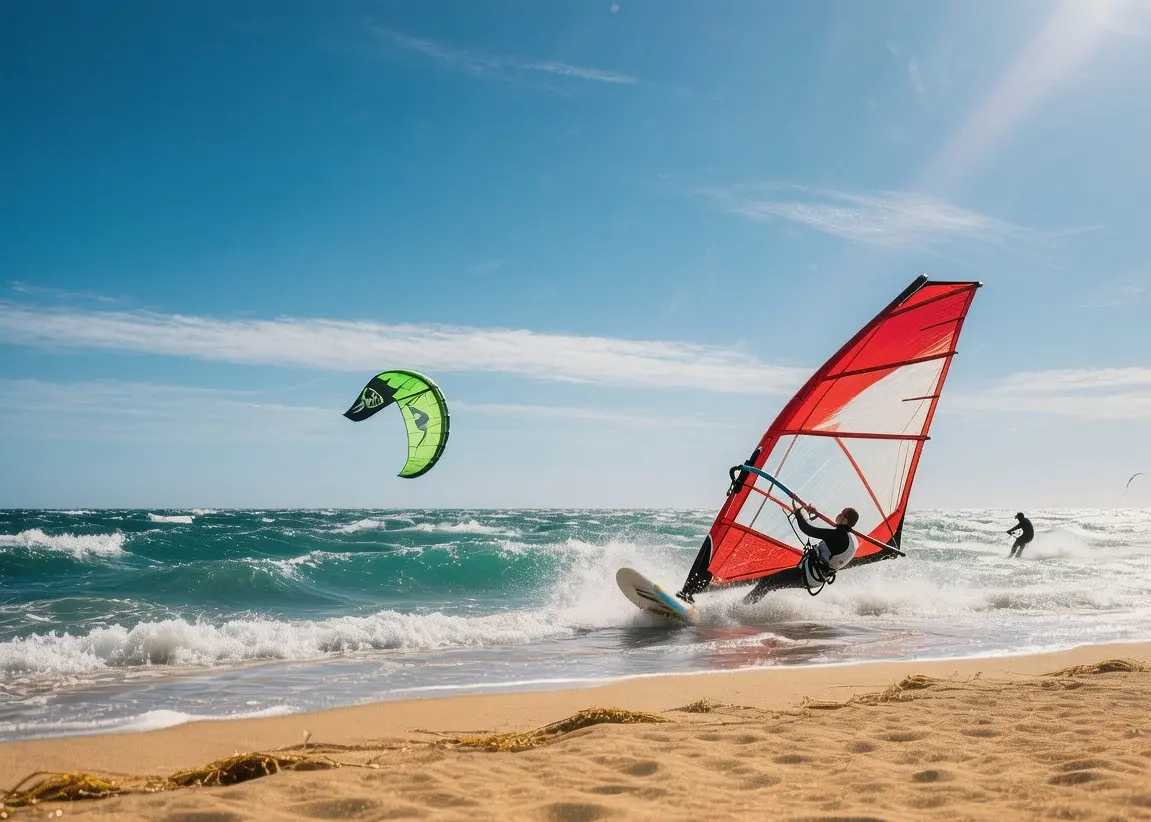
The wind hits you first—a relentless, salty gust that has scoured the Tarifa beaches for millennia, funneling through the Strait of Gibraltar at speeds exceeding 40 knots. You stand on the golden dunes of Valdevaqueros, where the Atlantic Ocean crashes against the shore with a rhythmic thunder that vibrates in your chest. The air smells of seaweed and sunblock; the distant shapes of kite surfers dance on the horizon like colorful birds against the deep blue water. This is the southernmost point of continental Europe, a windswept peninsula where the Mediterranean Sea meets the Atlantic Ocean, creating a unique wind tunnel that has made this town the undisputed capital of windsurfing since the 1980s. You watch the sails snap taut as riders carve through the chop, their boards slicing the water at 50 kilometers per hour. In 2026, as mass tourism homogenizes coastal destinations, the Tarifa beaches remain a raw sanctuary for adventure—a place where nature dictates the rhythm, demanding you respect the power of the wind and the sea to truly experience the freedom of the ride.
Why Tarifa Beaches Embodies Wind Sports Capital
The Tarifa beaches represent the premier global destination for wind sports, solving the critical need for consistent, high-quality wind conditions in a safe, accessible environment. Located at latitude 36°01′N, the town sits at the narrowest point of the Strait of Gibraltar, where the distance between Europe and Africa is only 14 kilometers. This geography creates a natural wind tunnel, channeling the Levante (east wind) and Poniente (west wind) with remarkable consistency. Meteorological data shows that wind blows here on over 300 days per year, with average speeds ranging from 20 to 40 knots, making it the most reliable windsurfing spot in Europe.
The infrastructure has evolved to support this natural advantage: over 40 certified schools operate along the 12 kilometers of sandy coastline, offering instruction for all levels. The beaches themselves are engineered for safety; shallow lagoons at spots like Los Lances provide flat water for beginners, while the open ocean at Valdevaqueros offers challenging waves for experts. The town's urban planning preserves this access, with beach clubs and rental shops positioned directly on the sand, minimizing the distance between gear and water. This integration of meteorology, geography, and tourism infrastructure makes the Tarifa beaches not merely a vacation spot but a functional sports hub. The economic impact is significant, with wind sports generating over €100 million annually for the local economy, sustaining a community that lives and breathes the wind.
The Best Time to Experience Tarifa Beaches
For the optimal Tarifa beaches experience, target May 15–June 20 or September 10–October 15, when temperatures range between 20–28°C (68–82°F) and the wind conditions are most consistent for windsurfing. The beaches are accessible 24 hours, but the ideal wind window is 12:00–6:00 PM when the thermal winds peak. Sunrise sessions between 8:00–10:00 AM offer glassy water conditions for advanced riders, though the wind is typically lighter. Spring coincides with the Whale Festival in March, causing accommodation prices to increase 30–50%; book lodging three months in advance if visiting during migration season.
Avoid July 15–August 25 unless you tolerate extreme crowds and strong Levante winds; temperatures regularly exceed 32°C (90°F), and the beaches reach maximum capacity with tourists. The Levante wind can be uncomfortably strong for beginners during this period, often exceeding 45 knots. Winter months (December–February) bring mild weather (14–18°C / 57–64°F) but stronger storms and cooler water temperatures (16°C / 61°F) that require thick wetsuits. Some beach clubs reduce hours in low season; verify current status at www.tarifaturismo.com or contact the tourist office at info@tarifaturismo.com (+34 956 684 019). Weekday mornings typically see the lowest visitor density, allowing for clearer water access without crowds obstructing your launch.
Approximate Budget for a 7-Day Trip (2026)
Tarifa offers good value for adventure travelers, though prices rise during peak wind seasons. The following budget assumes mid-range comfort with a focus on sports equipment and local culture, based on 2026 pricing with approximately 3.5% inflation from 2025 figures. Estimates include stays near the beaches for easy access to the Tarifa beaches and wind sports centers.
- Accommodation: €70–€140 per night for a double room in a surf hostel or apartment near Los Lances; luxury beachfront resorts command €200–€400 per night
- Food: €40–€65 per day—breakfast €6–€10 (café con leche and tostada), lunch €15–€25 (beach club meal including pescaíto frito and salad), dinner €20–€35 (tapas selection including ortiguillas and local wine)
- Transportation: Bus from Málaga Airport to Tarifa: €25 (2 hours 30 minutes); local bus within Tarifa: €1.20 per ride or €3.50 daily pass; taxi from station: €10 fixed rate; bike rental: €15 per day
- Attractions: Beach access: free; windsurfing lesson (2 hours): €60; kitesurfing course (3 days): €250; boat tour to see whales: €45; Castle of Guzman: €3
- Miscellaneous: Surf wax from €5; local wine €8–€20 per bottle; sunscreen €10; wetsuit rental €20 per day; artisan leather goods €30–€70
Total estimated cost for 7 days: €950–€1,500 per person (based on double occupancy; solo travelers should add 35–45% for single supplements)
7 Essential Tarifa Beaches Experiences
- Take a Windsurfing Lesson: Book a beginner course at Playa de Los Lances. The shallow lagoon provides safe, flat water for learning. Visit at 10:00 AM when the wind is building. Instructors are certified by the Spanish Sailing Federation. Allow 2 hours for the first session. This is the iconic Tarifa beaches experience; do not skip the instruction.
- Kitesurf at Valdevaqueros: Experience the dunes and waves at this expansive beach. The wind is stronger here, suitable for intermediate riders. Visit between 2:00–5:00 PM when thermal winds peak. The sand dunes rise 30 meters high, offering a dramatic backdrop. Rental gear available for €40 per day. It demonstrates the wilder side of the coast.
- Watch the Sunset at Chica Beach: Position yourself on the sand near the old town walls. The sun sets directly over the ocean, painting the sky violet. Visit at 8:30 PM in summer or 6:30 PM in winter. Bring a blanket and local wine. The atmosphere is relaxed and romantic. It creates a magical end to the day. This is the quintessential Tarifa beaches moment.
- Explore the Old Town: Wander the narrow streets of the historic center. The whitewashed buildings date to the Moorish period. Visit at 11:00 AM when shops open. The Castle of Guzman offers panoramic views. Entry costs €3. It reveals the cultural history beyond the sports.
- Go Whale Watching: Board a boat from the port to see pilot whales and dolphins. The Strait is a migration corridor year-round. Visit at 9:00 AM when the sea is calmest. Tours last 2 hours and cost €45. It adds a marine biology dimension to the trip.
- Dine at a Beach Club: Eat at a chiringuito directly on the sand. Order fresh grilled fish and salmorejo. Visit at 2:00 PM for lunch when the atmosphere is lively. Prices are higher but the location is unbeatable. Reservations recommended for weekends. This combines culinary tradition with beach life.
- Walk the Dunes: Hike the protected dune system at Valdevaqueros. The vegetation is fragile and protected by law. Visit at 5:00 PM when the light is soft. The walk takes 1 hour round trip. It reveals the ecological importance of the area. Stay on marked paths to preserve the plants.
3 Hidden Gems Most Travelers Miss
- Playa de los Lances Norte: Located 3 kilometers west of town, this section is quieter than the main hub. Entry is free; open 24 hours. It is often overlooked as visitors focus on the central beach clubs. The water is shallower, ideal for families. Contact: +34 956 684 019. Visit early morning for photography without crowds. The wind is slightly lighter here.
- Castle of Guzman el Bueno: A 10-minute walk from the beaches at Plaza de Santa María, this 10th-century fortress offers history. Entry: €3; open 10:00 AM–6:00 PM. It is often overlooked by tourists rushing to the water. The views over the Strait are stunning. Contact: +34 956 684 019. Visit mid-morning when light illuminates the walls. The perspective allows you to see Africa in the distance.
- Punta Paloma: Located 5 kilometers west via a dirt road, this wild beach has no facilities. Entry is free; open 24 hours. It is often overlooked due to the difficult access. The scenery is untouched and natural. Contact: N/A. Visit late afternoon when the light is soft. The perspective allows you to see the lighthouse. Bring your own water and food.
Cultural & Practical Tips
- Respect wind rules: The Tarifa beaches have designated zones for different sports. Kitesurfers must stay 200 meters from swimmers. Windsurfers have right of way in certain channels. Fines for violations can reach €300. Lifeguards monitor the zones. Keep the beach clean; use provided bins.
- Master these phrases: "Buenos días" (BWEH-nos DEE-as) for good morning; "Por favor" (por fah-BOR) for please; "¿Cuánto cuesta?" (KWAN-toh KWES-tah) to ask price; "La cuenta, por favor" (lah KWEN-tah) to request the bill.
- Photography guidelines: Drones require special permission from local authorities due to air traffic. Flash photography is discouraged in crowded areas. Respect privacy when photographing other beachgoers. Early morning and sunset offer the best light without crowds. The golden hour lasts approximately 30 minutes.
- Sun protection: The Andalusian sun is intense; use SPF 50+ sunscreen and reapply every 2 hours. Wear a rash guard for water sports. The UV index regularly exceeds 9 in summer. Seek shade between 12:00–4:00 PM. You'll prevent sunburn and heat exhaustion. Purchase sunscreen from local pharmacies if needed.
- Equipment safety: Always check your gear before entering the water. Leashes are mandatory for kitesurfing. Helmets are recommended for beginners. The water temperature ranges 16–22°C (61–72°F); wear a wetsuit year-round. Rent from certified schools to ensure quality.
- Weather considerations: The coast enjoys 300 days of wind annually, but storms can occur in winter. Bring a windbreaker for evenings even in summer. Winter temperatures rarely drop below 14°C (57°F). Rain is rare but possible in November; the sand becomes compact when wet.
- Security awareness: While the beaches are generally safe, theft can occur from unattended gear. Never leave valuables on the sand while swimming. Use lockers at beach clubs. Allow an extra 15 minutes to pack up gear before leaving. Report suspicious activity to local police.
Conclusion: Travel with Reverence, Not Just Reverie
The Tarifa beaches demand more than casual sunbathing—they ask for contemplation of the delicate balance between human adventure and natural power. When you walk these shores in 2026, you're not merely visiting a destination; you're participating in a complex ecosystem where Atlantic waves, Andalusian wind, and modern tourism intersect in delicate balance.
Choose to engage deeply: respect the wind zones and safety regulations, support local surf schools alongside international brands, and understand that these beaches are a shared resource. The Tarifa beaches survive not as a theme park but as a natural heritage—and their preservation depends on visitors who recognize the difference between appreciation and consumption.
Slow down. Sit on the dunes after the kitesurfers pack up for the night. Listen to the wind whispering through the grass. Watch the sunset paint the Strait in shades of gold and violet. The beaches reward those who approach them not as a checklist item but as a conversation with nature—a dialogue between human skill and elemental force that continues, like the tides, in perpetual motion.